CapMetro's plan calls for high-capacity transit but does not specify whether that will mean a train or bus rapid transit.


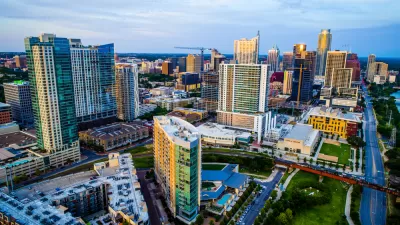
CapMetro has revealed their plan for expanding transit in Austin, laying out 11 routes and one high-capacity transit line. The Austin transit organization has not decided whether that high capacity line would be a train or bus rapid transit.
"Scott Morris, a representative for the Central Austin Community Development Corporation, said he was disappointed to see the decisions for which routes would receive rail have not yet been made," Chase Karacostas reports for the Daily Texan.
The budget for the full project would be between $6 billion and $8 billion, and would be implemented in phases. "If it is able to proceed, CapMetro said the plan would 'definitely' affect the cost of using CapMetro. However, as the plan will occur in phases, so will any fare increases," Karacostas writes.
Read the full story: CapMetro unveils ‘high-capacity transit’ improvements

Austin Tests Self-Driving Bus
Autonomous buses could improve bus yard operations for electric fleets, according to CapMetro.

Austin’s Project Connect Funding Safe for 2025
The light rail project is moving ahead with plans to finalize its environmental impact review by late 2025.
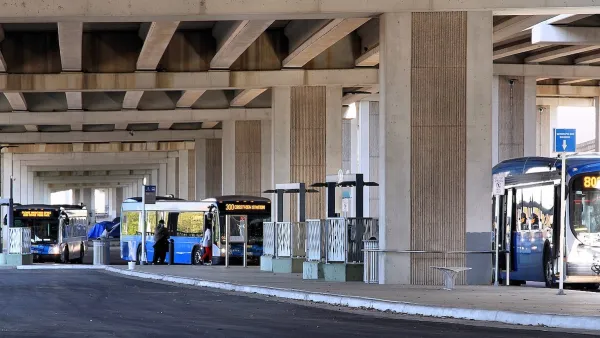
New Rapid Bus Lines Begin “Introductory Service” in Austin
CapMetro officials say they wanted to start providing connectivity even though buses won’t run as frequently as planned.

Planetizen Federal Action Tracker
A weekly monitor of how Trump’s orders and actions are impacting planners and planning in America.

California plans to bury El Niño’s downpour
If the state plays its cards right, it may be able to store a billion acre-feet of El Niño’s water in aquifers.

Desperate measures: Advocates weigh draining Lake Powell to fill Colorado River
Draining the reservoir could reduce evaporation losses by a couple hundred thousand acre-feet.

Los Angeles just elected an urban planner as its mayor
Transportation analysts are optimistic that Raman will be more aggressive in addressing transit issues than Bass.

Mamdani’s pied-à-terre tax survives legal challenge
A panel of judges found that the plaintiffs failed to demonstrate injury as a result of New York City's implementation of the tax.

Eastern Nebraska is running out of electricity
Data centers and electrification are straining eastern Nebraska’s grid, throttling economic development.

FREE Course: Walkable City 1: Why Walkability?
After describing his path towards focusing on walkability as the essence of good planning, Jeff Speck marches through his five principal reasons for making more walkable places.
Reinventing Malls: Planning Alchemy—Turning Gray Fields Into Gold
The course focuses on the opportunities and imperatives that shape reinvention of mall sites.

City of Rosemead
Rutgers University, Edward J. Bloustein School of Planning and Public Policy
One Hundred Miles
University of Michigan School for Environment and Sustainability (SEAS)
Hunter College, City University of New York (CUNY)
The Architects Foundation
City of Cambridge
Montrose County
The Pocatello Development Authority