Voters around the country will go to the ballot box tomorrow to consider transportation- and infrastructure-related measures.


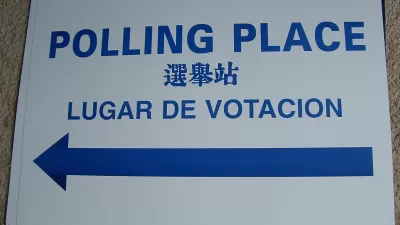
Robert Puentes surveys ballots from around the country for specific measures to watch closely tomorrow as results come in, and tries to located some larger trends about the state of infrastructure politics in a complicated and contentious era. "While is it not always easy to draw conclusions from these ballot box questions given their diversity, one thing is clear: Discussions about raising money and investing in transportation and infrastructure in Washington, D.C. are very different from what is happening in cities, states and metropolitan areas around the country," writes Puentes.
Puentes also notes that 2017 is an "off year" compared to last year's massive amount of infrastructure-related ballot measures approved by voters alongside an historic presidential election, but there are still plenty of ballot measures of interest. In addition to "routine proposals" in Athens-Clarke County, Georgia; Bath, Maine; and Chikaming, Michigan, Puentes notes a few "unique measures" in Kansas City, Dallas, and Denver.
Check back in later this week for a summary of the results of all these elections.
Read the full story: Infrastructure Is a Big Ballot Issue
Voters Approved $30 Billion for Transportation This Election
Nationwide, voters approved nearly 70 percent of transportation ballot measures on the ballot.
Colorado Voters OK New Toll Lanes on Interstate 25 by Passing Two Measures
Colorado Springs and El Paso County voters agreed to add the highway widening to a list of projects that a regional transportation authority can fund. They passed an additional funding measure enabling county funds to be spent rather than refunded.

Behind the Popularity of Transportation Tax Increases
Transportation ballot measures are popular this November: over 70 populate ballots across the country. In California and elsewhere, they supplement declining federal and state funds for local infrastructure.

Planetizen Federal Action Tracker
A weekly monitor of how Trump’s orders and actions are impacting planners and planning in America.

California plans to bury El Niño’s downpour
If the state plays its cards right, it may be able to store a billion acre-feet of El Niño’s water in aquifers.

Desperate measures: Advocates weigh draining Lake Powell to fill Colorado River
Draining the reservoir could reduce evaporation losses by a couple hundred thousand acre-feet.

Chicago voters approve permanent festival grounds, penalty for vacant property owners
Currently, major summer and fall festivals take over public parks for weeks at a time, drawing criticism from nearby residents

NYC votes to cut outdoor dining red tape, speed up permitting
New York City also voted to allow the Department of Transportation to begin work on urgent projects before notifying elected officials.

California appears to reject Prop. 45
The proposition would have expanded the projects that qualify for a streamlined environmental review, effectively paring down the California Environmental Quality Act.

FREE Course: Walkable City 1: Why Walkability?
After describing his path towards focusing on walkability as the essence of good planning, Jeff Speck marches through his five principal reasons for making more walkable places.
Reinventing Malls: Planning Alchemy—Turning Gray Fields Into Gold
The course focuses on the opportunities and imperatives that shape reinvention of mall sites.

City of Rosemead
Rutgers University, Edward J. Bloustein School of Planning and Public Policy
One Hundred Miles
Hunter College, City University of New York (CUNY)
The Architects Foundation
University of Cincinnati Online
City of Cambridge
Montrose County
The Pocatello Development Authority