There have been 100 traffic-related deaths on Denver’s streets since 2016, according to the Denver Post, but the city has decided that there will be no more traffic-related deaths by the year 2030.


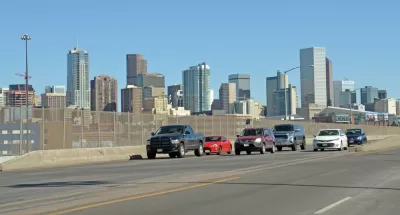
Denver released its Vision Zero plan on Friday of this week, pledging to end traffic fatalities by 2030. Jesse Paul reports on the Vision Zero agenda for the city, writing that the city has set "an ambitious goal that includes addressing high-risk corridors through speed reductions, better lighting, median alterations and promoting a culture of safety."
"Vision Zero has been in the works for about two years and has included a host of stakeholders, including WalkDenver, BikeDenver, Inter-Neighborhood Cooperation and the Mayor’s pedestrian and bicycle advisory committees," writes Paul. As an initial step in the process, the city has identified the areas of the city most in need of safety upgrades. In total, however, the city's Vision Zero initiative lays out 70 action items.
Read the full story: Denver wants to end traffic-related deaths by 2030. This is how the city plans to do it.

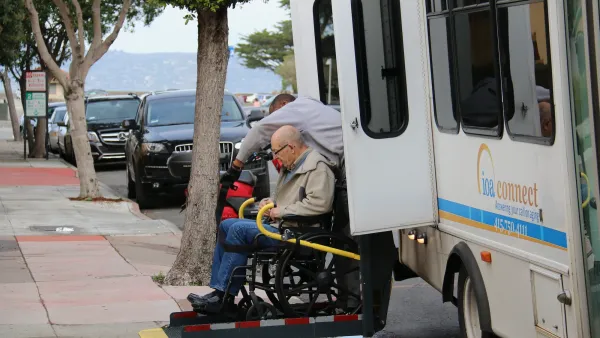
Seniors Account for 32% of Traffic Deaths in the Bay Area
Road safety interventions would help protect seniors and other vulnerable groups from traffic violence.
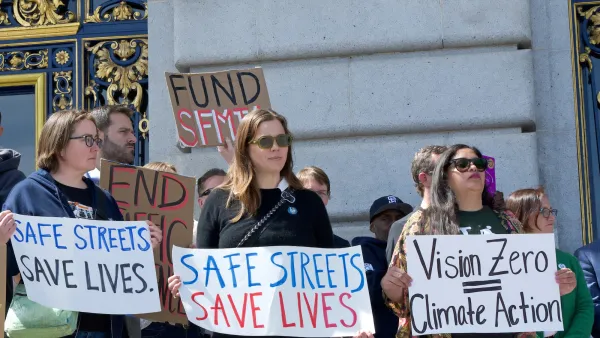
San Francisco Cut Traffic Deaths Almost in Half in 2025
The city credits its Vision Zero strategy and new traffic cameras for reducing the number of deaths and serious injuries on its roads.
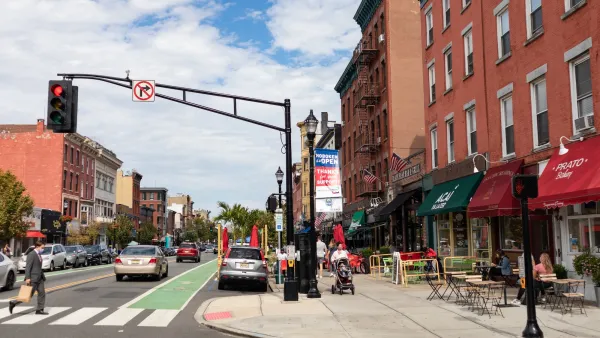
After 30% Spike in 2024, New Jersey Traffic Deaths Drop by 15% in 2025
New Jersey launched the nation’s first statewide Vision Zero plan last year.

Planetizen Federal Action Tracker
A weekly monitor of how Trump’s orders and actions are impacting planners and planning in America.

‘Going backwards:’ Baltimore mayor, students rally against state's transit funding plan
Maryland's proposed six-year plan provides no funding for Baltimore’s BMORE bus program and reduces its road maintenance funding.

Detroit to transform waterfront with $2.2 billion investment
Developers will convert about 18 acres of unused parking lot space into civic spaces.

Newsom vetoes giving CA tribes greater voice in water projects
In his veto letter, Newsom said the bill would add ‘uncertainty’ to the state’s fight to secure Californians’ water supplies.

Michigan Senate votes to revise 'lax' dam safety laws
A Bridge Michigan investigation found more than 100,000 Michigan residents live in the floodpath of a high or significant-hazard dam.

NYC’s landfills will soon overflow — expanding them invites health risks
In as little as 16 years, New York City will have to find new places to dump its trash.

FREE Course: Walkable City 1: Why Walkability?
After describing his path towards focusing on walkability as the essence of good planning, Jeff Speck marches through his five principal reasons for making more walkable places.
Reinventing Malls: Planning Alchemy—Turning Gray Fields Into Gold
The course focuses on the opportunities and imperatives that shape reinvention of mall sites.

City of Thousand Oaks
City of Wisconsin Rapids
Harvard University Graduate School of Design
The Architects Foundation
University of Cincinnati Online
Northern Illinois Transit Authority (NITA)
The Pocatello Development Authority
The Urban Renewal Agency of the City of Pocatello