Larger universities, like Boston University, have begun swallowing up smaller schools that offer new students and a goldmine of real estate in dense urban areas.



As smaller colleges across the country struggle to attract new students willing to pay the high cost of tuition, some have sought to merge with other institutions to keep their programs afloat. Deirdre Fernandes of The Boston Globe reports that these smaller colleges have attracted attention of larger institutions looking to get their hands on valuable real estate. Fernandes notes the pending merger of Wheelock College with Boston University. Wheelock sits on over five acres on property in an area seeing rapid gentrification.
Real-estate prices in Boston have skyrocketed, and developable land in the city is limited, making the property owned by schools particularly attractive — either to another school that is hemmed in or to a commercial developer, real estate experts said.
Schools pondering mergers have to consider a host of factors to determine whether a partnership will work, but real estate is likely to be one of the issues, said David Begelfer, chief executive of NAIOP Massachusetts, a real estate trade group.
Fernandes writes that Boston University's president Robert Brown has not said how the Wheelock campus will be used, however many of the existing programs on both campuses will be consolidated.
FULL STORY: Why are so many colleges merging? Money and real estate

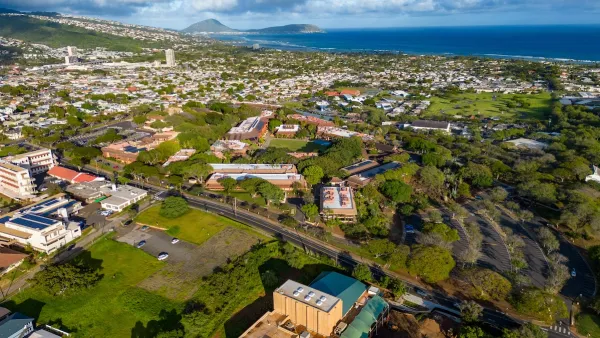
Community Colleges: A Pathway for Native Hawaiian Achievement and Growth
The University of Hawaiʻi Community Colleges provide Native Hawaiian students with transformative educational experiences, integrating academic success, cultural identity, and strong community support to help them find purpose and thrive.
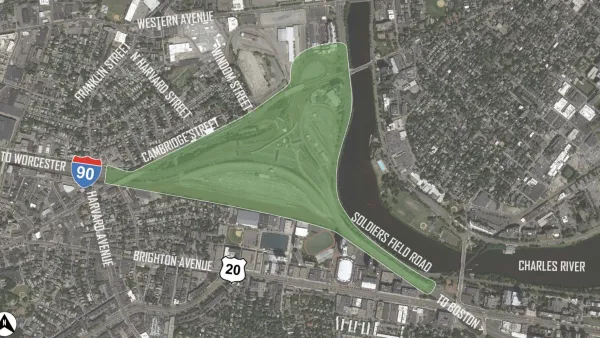
Imagining Alternatives to an Enlarged I-90 Viaduct in Boston
Massachusetts Department of Transportation plans to heighten and widen the Allston section of I-90 viaduct do not align with the community's desire for an environmentally friendly and pedestrian- and cycling-oriented new solution.
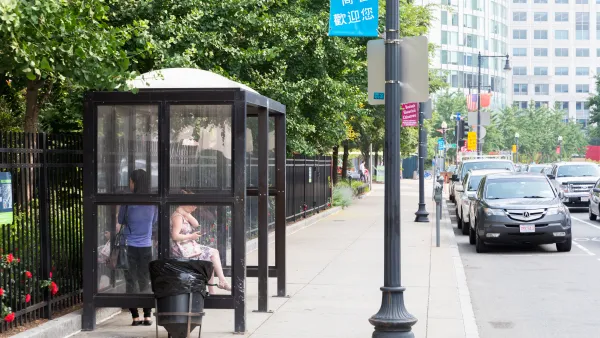
Boston requests proposals for new street furniture program
The city is looking to expand its network of bus shelters, wayfinding kiosks and other infrastructure.

Planetizen Federal Action Tracker
A weekly monitor of how Trump’s orders and actions are impacting planners and planning in America.

The state-sanctioned urbicide of Austin
People don’t kill cities. Freeways do.

US to reduce Colorado River water deliveries to Mexico
A new Colorado Treaty amendment reduces Mexico’s Colorado River water allocation by 250,000 acre feet.

Mamdani overhauls NYC's Vision Zero plan with 100 new policy goals
The overhaul aims to reduce traffic deaths and make streets safer for pedestrians, cyclists and drivers through lower speed limits, new safety infrastructure and more.

Amtrak not solely to blame for New Jersey commuter rail's unreliability, report finds
A new study from the Garden State Initiative found that NJ Transit’s budget grew 20% across a 4 year period, but reliability declined significantly over the same period.

EPA erases limits on planet-warming pollution from power plants
Under Monday’s plan, power plants would still have some limits on how much mercury, arsenic and other contaminants they can emit.

FREE Course: Walkable City 1: Why Walkability?
After describing his path towards focusing on walkability as the essence of good planning, Jeff Speck marches through his five principal reasons for making more walkable places.
Reinventing Malls: Planning Alchemy—Turning Gray Fields Into Gold
The course focuses on the opportunities and imperatives that shape reinvention of mall sites.

Eagle County Government
Harvard University Graduate School of Design
Nashville Planning Department
The Architects Foundation
University of Cincinnati Online
The Pocatello Development Authority
The Urban Renewal Agency of the City of Pocatello
Journal of the American Planning Association