The debate about inclusionary zoning persists—with some pro-development saying affordable housing fees and requirements stifle development before it can start. A new tool helps crunch the numbers behind the debate.



Steven Vance shares news of Grounded Solutions Network's Inclusionary Housing Calculator, which can help "determine how much affordable housing your town should require that developers build in their new construction residential buildings."
Vance tests the calculator by running the numbers on a recently rejected project proposal in the Chicago neighborhood of Pilsen. The developer of the project said it couldn't do the project while including 21 percent affordable housing, as required by the Pilsen Land Use Committee. Vance's test shows that the developer could not make a profit by setting aside 21 percent of the units as affordable—the number would have needed to be reduced to 16 percent.
Read the full story: Inclusionary zoning calculator will tell you how many units a developer can afford to make “affordable”


Oregon Moves to Lift Inclusionary Zoning Ban
By a vote split (nearly) down the party line, the Oregon House passed a bill to end state restrictions on inclusionary zoning. Municipalities may soon be able to require below-market pricing.
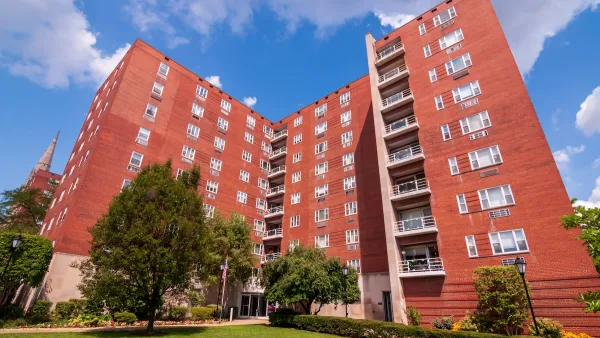
Pittsburgh Lawsuit Threatens Affordable Housing Requirement
A suit brought by a developers’ group calls the cost burden of the city’s inclusionary zoning law ‘unconstitutional.’

9 New Jersey Mayors Sue Over State Affordable Housing Law
Plaintiffs claim the new state law strips local control of growth, but affordable housing advocates say the lawsuit is just a delay tactic.

Planetizen Federal Action Tracker
A weekly monitor of how Trump’s orders and actions are impacting planners and planning in America.

The state-sanctioned urbicide of Austin
People don’t kill cities. Freeways do.

US to reduce Colorado River water deliveries to Mexico
A new Colorado Treaty amendment reduces Mexico’s Colorado River water allocation by 250,000 acre feet.

Nation's most wind-powered state turns to coal as data centers increase energy demand
For the first time in decades, Iowa has increased its generation of coal power.

NYC cools commuters with city's first rain garden above a bus stop
New York City officials say the plants in the rain garden can absorb 16 gallons of rainwater during heavy storms.

Brightline West’s future may rely on $6 billion federal loan
The company has until Nov. 2 to make a $400 million equity investment into its proposed high-speed rail line.

FREE Course: Walkable City 1: Why Walkability?
After describing his path towards focusing on walkability as the essence of good planning, Jeff Speck marches through his five principal reasons for making more walkable places.
Reinventing Malls: Planning Alchemy—Turning Gray Fields Into Gold
The course focuses on the opportunities and imperatives that shape reinvention of mall sites.

Greater Baltimore Committee
Eagle County Government
Harvard University Graduate School of Design
The Architects Foundation
University of Cincinnati Online
The Pocatello Development Authority
The Urban Renewal Agency of the City of Pocatello
Journal of the American Planning Association