These examples are specific to Washington, D.C., but many of the facts listed in this article will apply elsewhere, too.


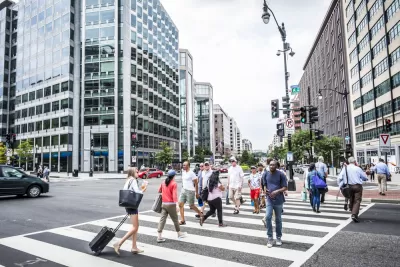
Mitch Wander did a little digging into the world of crosswalks, discovering that there is a lot to learn and now about these features of public life. After a conversation with District Department of Transportation Communications Specialist, Michelle Phipps-Evans, Wander was able to make a list of ten items of crosswalk trivia:
- There are more crosswalks than you think there are
- Some new crosswalks are DDOT’s idea, yet many come from resident suggestions
- Marked crosswalks aren’t appropriate everywhere people request them
- Yet there are ways to make crosswalk locations more frequently-used, and safer
- Crosswalks can only go in locations compliant with the Americans with Disabilities Act (ADA)
- Crosswalks wear out and resident service requests prompt most repainting
- Crosswalk restriping is seasonal
- Pedestrian pylons are relatively inexpensive ways to enhance unsignalized crosswalks
- Some crosswalks need to be removed to make streets safer for pedestrians
- DDOT planning changes will lead to better decisions and safer pedestrian crossings
Wander provides a lot more detail on each of these points in the article.
FULL STORY: Ten things you might not know about crosswalks

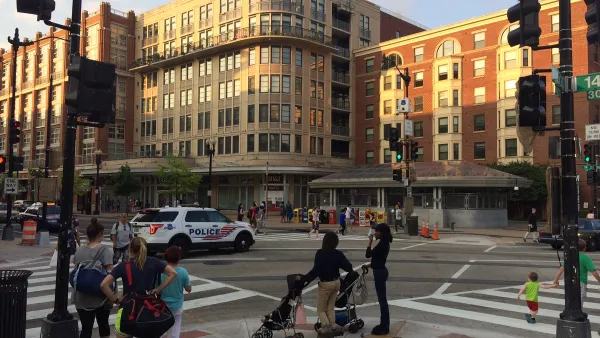
Another Barnes Dance in the Capital
Washington, D.C. has place to do a new Barnes Dance.
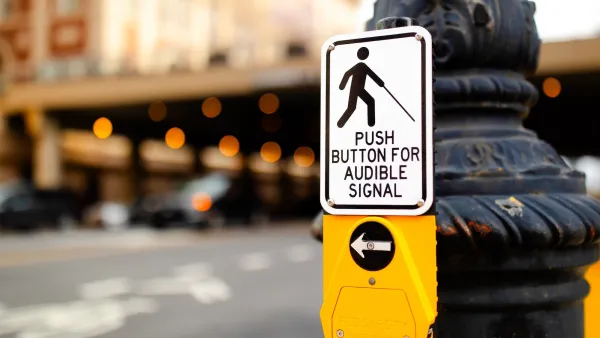
Report: Chicago surpassed its legal mandate for accessible pedestrian signals — but none passed inspections
Gaps in accessibility, placement and functionality highlight the importance of regular inspections and maintenance.
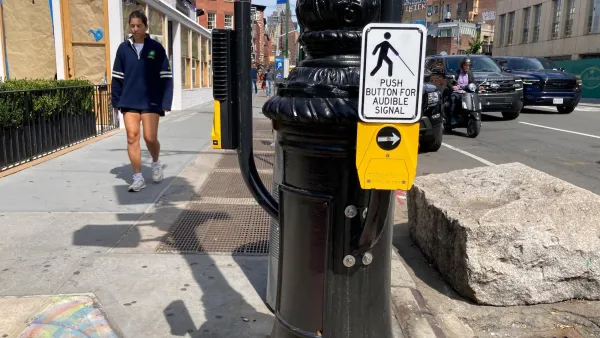
90% of NYC Intersections Lack Audible Crossing Signals for Blind Pedestrians
People with vision impairments rely on a complex network of tactile and audible signals to navigate cities.

The state-sanctioned urbicide of Austin
People don’t kill cities. Freeways do.

US to reduce Colorado River water deliveries to Mexico
A new Colorado Treaty amendment reduces Mexico’s Colorado River water allocation by 250,000 acre feet.

New Jersey’s second-largest city bans standalone data centers
Jersey City will continue to allow co-location facilities, such as those meant for research institutions that store their own data.

Amtrak not solely to blame for New Jersey commuter rail's unreliability, report finds
A new study from the Garden State Initiative found that NJ Transit’s budget grew 20% across a 4 year period, but reliability declined significantly over the same period.

EPA erases limits on planet-warming pollution from power plants
Under Monday’s plan, power plants would still have some limits on how much mercury, arsenic and other contaminants they can emit.

Phoenix announces new on-demand transit service, more frequent RAPID buses
Both new services will launch in October, and are part of Phoenix's Project Effective Access Solutions for Easing Congestion.

FREE Course: Walkable City 1: Why Walkability?
After describing his path towards focusing on walkability as the essence of good planning, Jeff Speck marches through his five principal reasons for making more walkable places.
Reinventing Malls: Planning Alchemy—Turning Gray Fields Into Gold
The course focuses on the opportunities and imperatives that shape reinvention of mall sites.

Eagle County Government
Harvard University Graduate School of Design
Nashville Planning Department
The Architects Foundation
University of Cincinnati Online
The Pocatello Development Authority
The Urban Renewal Agency of the City of Pocatello
Journal of the American Planning Association