A new map presents two scenarios: the temperature in 2100 if recent emissions trends continue unabated, and the temperature in 2100 with moderate emissions cuts.


Climate Central and the World Meteorological Organization have created a new interactive map that illustrates the temperatures cities can expect in 2100 if the world fails to reduce carbon emissions. The graphic also includes temperature changes if "moderate emissions cuts" are enacted.
According to a post by Brian Kahn introducing the new tool, the map "shows how the average summer high in the future in each of these cities compares to other cities of today. In some cases, the shift puts them in a completely new temperature zone." Looking around the map, the largest rise in temperature is projected in Sofia, Bulgaria, "with temperatures rising nearly 15°F (8.4°C) by 2100." Temperatures in Sofia, Bulgaria, therefore, would be a lot more like they are in Port Said, Egypt now.
Read the full story: This Is How Climate Change Will Shift the World’s Cities
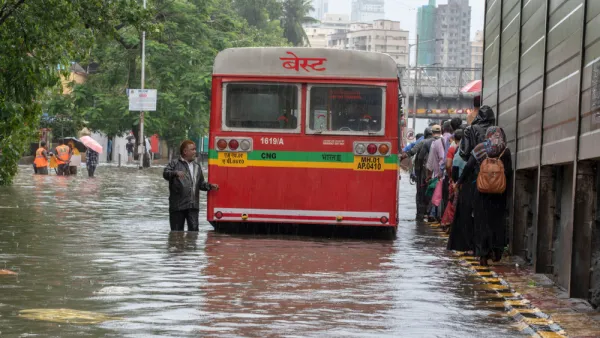
Sea-Level Rise Would Be Worse for Coastal Cities Than Previously Thought
A new model for expected sea-level rise raises alarms about the need to adapt to sea-level rise in coastal cities all over the world.
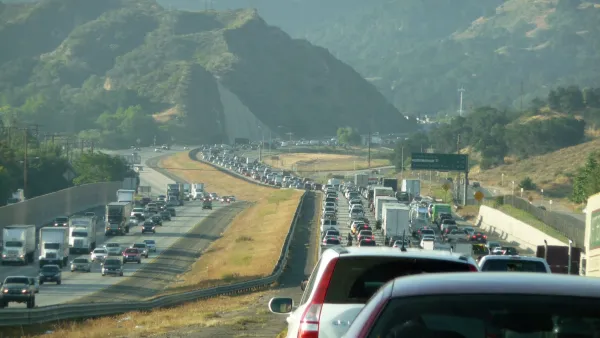
A Detailed Map of the Nation's Auto Emissions
The New York Times illustrates the scope and scale of the great project still facing the United States: to decrease greenhouse gas emissions from the transportation sector of its economy.
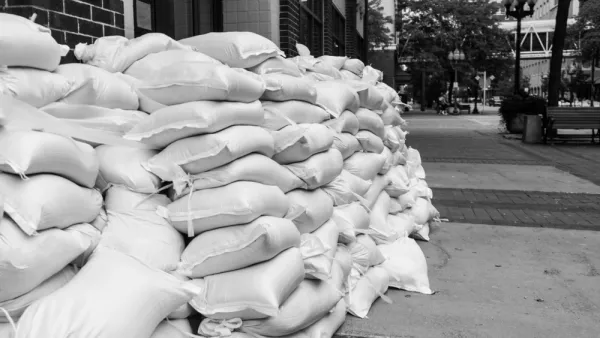
Coastal States Are Building in Flood Zones Faster Than Anywhere Else
Here's a trillion dollar real estate market on the coasts of the United States—and it's building itself into rising levels of risk.

Desperate measures: Advocates weigh draining Lake Powell to fill Colorado River
Draining the reservoir could reduce evaporation losses by a couple hundred thousand acre-feet.

Eastern Nebraska is running out of electricity
Data centers and electrification are straining eastern Nebraska’s grid, throttling economic development.

Malls are becoming the midtowns of the future
Mall and office park redevelopments are a generational opportunity to create new nodes of urbanity.

NYC breaks ground on anti-flooding infrastructure project
New York City's new system will reduce stormwater flows to local sewers by 90%.

One Kentucky town’s secret to affordable housing
The Smoketown Community Land Trust has already built seven affordable homes for community members.

Houston gains petal-shaped cooling infrastructure to make streets more ‘delightful’
The city has installed the pavilions along 15 blocks in Houston.

FREE Course: Walkable City 1: Why Walkability?
After describing his path towards focusing on walkability as the essence of good planning, Jeff Speck marches through his five principal reasons for making more walkable places.
Reinventing Malls: Planning Alchemy—Turning Gray Fields Into Gold
The course focuses on the opportunities and imperatives that shape reinvention of mall sites.

City of Rosemead
Rutgers University, Edward J. Bloustein School of Planning and Public Policy
One Hundred Miles
University of Michigan School for Environment and Sustainability (SEAS)
Hunter College, City University of New York (CUNY)
The Architects Foundation
City of Cambridge
Montrose County
The Pocatello Development Authority