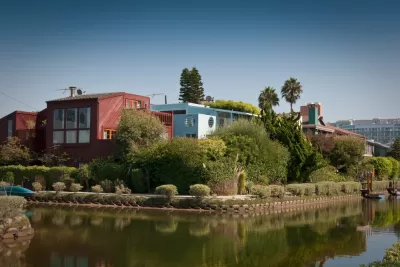
Venice, the famously picturesque neighborhood in Los Angeles, has become a poster child for wealthy urban enclave that has closed its doors to development and new residents—despite a strong local economy.


Laura Kusisto writes:
Venice Beach, Calif., is one of the nation's hottest neighborhoods, brimming with affluent young residents and technology startups like Snapchat. But in one respect, it bears little resemblance to a boomtown: It hasn't gained a single housing unit in 15 years.
What's more:
In all, Venice Beach had roughly 700 fewer housing units in 2015 than in 2000, as apartment development stalled and wealthy homeowners gobbled up adjacent properties and leveled them. Home prices in the ZIP Code have more than tripled in those 15 years, rising 246% compared with the national average of 52% in the period…
Kusisto is sharing data from a study conducted for The Wall Street Journal by Issi Romem, chief economist at BuildZoom, a website for contractors.
FULL STORY: Venice Beach Is a Hot Place to Live, So Why Is Its Housing Supply Shrinking?

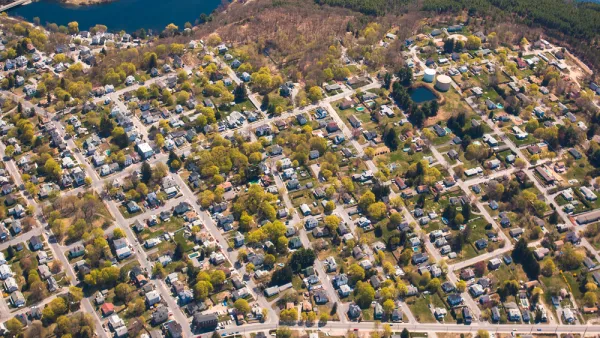
Zoning Slowing Production of New Homes in Massachusetts
A quarter of all Massachusetts renters spend more than half their income on rent. A report from the Smart Growth Alliance argues NIMBYism is partly to blame.
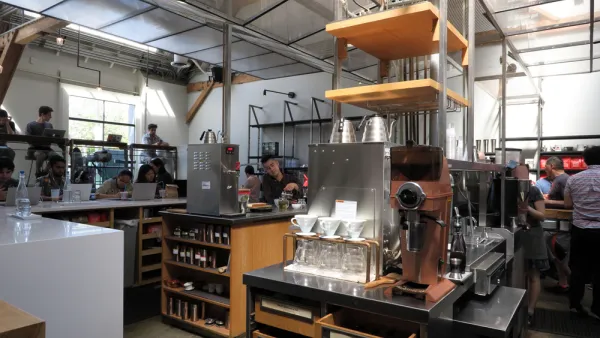
Coffee With Your Gentrification?
The Los Angeles Times published a pair of incendiary articles this week in which coffee plays an integral role in the conversation about gentrification.
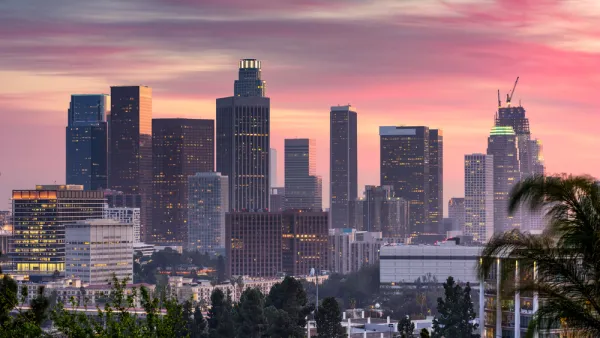
Mapping L.A.'s Zoning Changes Finds Little Room for Upzoning
A new study makes a visual case against the narrative that spot zoning and a broken development approval process are running roughshod over the entire city.

The state-sanctioned urbicide of Austin
People don’t kill cities. Freeways do.

US to reduce Colorado River water deliveries to Mexico
A new Colorado Treaty amendment reduces Mexico’s Colorado River water allocation by 250,000 acre feet.

New Jersey’s second-largest city bans standalone data centers
Jersey City will continue to allow co-location facilities, such as those meant for research institutions that store their own data.

Amtrak not solely to blame for New Jersey commuter rail's unreliability, report finds
A new study from the Garden State Initiative found that NJ Transit’s budget grew 20% across a 4 year period, but reliability declined significantly over the same period.

EPA erases limits on planet-warming pollution from power plants
Under Monday’s plan, power plants would still have some limits on how much mercury, arsenic and other contaminants they can emit.

Phoenix announces new on-demand transit service, more frequent RAPID buses
Both new services will launch in October, and are part of Phoenix's Project Effective Access Solutions for Easing Congestion.

FREE Course: Walkable City 1: Why Walkability?
After describing his path towards focusing on walkability as the essence of good planning, Jeff Speck marches through his five principal reasons for making more walkable places.
Reinventing Malls: Planning Alchemy—Turning Gray Fields Into Gold
The course focuses on the opportunities and imperatives that shape reinvention of mall sites.

Eagle County Government
Harvard University Graduate School of Design
Nashville Planning Department
The Architects Foundation
University of Cincinnati Online
The Pocatello Development Authority
The Urban Renewal Agency of the City of Pocatello
Journal of the American Planning Association