One way to get a transit funding tax plan approved is just to cut outlying areas out of transit taxes, and transit planning, entirely.


"The Regional Transit Authority of Southeast Michigan (RTA) is weighing whether to shrink the size of its taxing district, cutting off rural parts of Macomb, Oakland, Washtenaw and Wayne counties from the taxes and services that would be part of any future transit plan," reports Eric D. Lawrence.
Lawrence considers the proposal in the context of the millage fee proposal that failed at the ballot box in November 2016. "A significant portion of the resistance to the 1.2-mill, 20-year property tax that failed at the polls in November came from areas that would not have been directly served by the plan to fund rapid buses on several major corridors, a commuter rail connecting Ann Arbor and Detroit, expanded local bus service and express buses to and from Detroit Metro Airport," explains Lawrence.
As Lawrence notes, the decision to shrink the size of the RTA's taxing district is still preliminary, and might require the State Legislature to weigh in before moving forward.
Read the full story: Another try at Detroit regional transit? Smaller footprint may be better this time

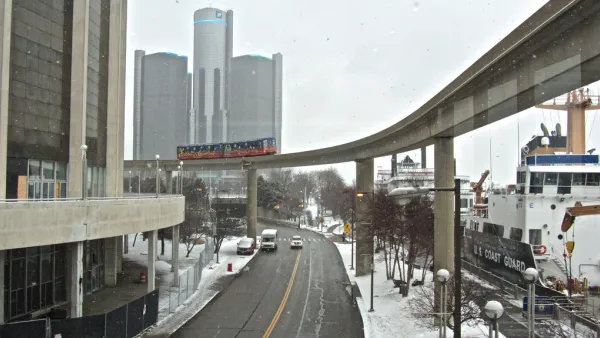
Regional Transit in Detroit: An Idea Whose Time Has Not Yet Come
Transit supporters in the Detroit region suffered a setback last week, but the hope is that they've only lost a battle, not the war, for regional transit.
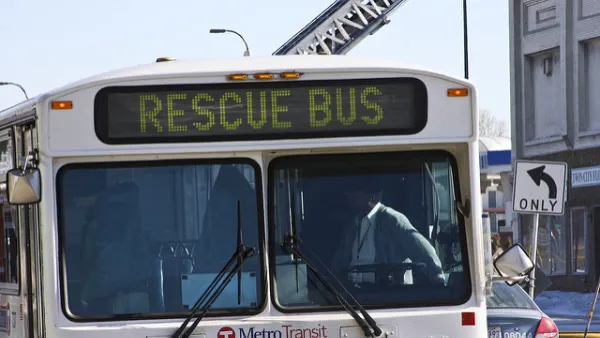
Metro Detroit's Millage Tax Comes Within Half a Percentage Point of Passing
A $4.6 billion transit plan proposed by the Regional Transit Authority of Southeast Michigan received 49.5 percent of the vote on November 8. The millage tax would have funded bus rapid transit and regional rail within a four-county region.
Detroit's Failed Regional Transit Plan Strikes a Blow to the City's Revival
Voters in the Detroit region had a chance to reverse 40 years of neglect for regional transit. Instead, they kicked the can down the road.

Planetizen Federal Action Tracker
A weekly monitor of how Trump’s orders and actions are impacting planners and planning in America.

Colorado’s Largest Data Center Could Rise Next to Homes — Without a Public Hearing
The proposed campus would consume 11 times the power of Denver International Airport; as it has across the country, opposition mounts.

US to reduce Colorado River water deliveries to Mexico
A new Colorado Treaty amendment reduces Mexico’s Colorado River water allocation by 250,000 acre feet.

'This is going to be painful:’ Virginia stares down $1.7 billion funding gap for highway maintenance
The state may address the deficit by shifting $290 million from its construction budget to maintenance projects.

Judges permit Denver to divert 77,000 acre feet from the Colorado River for reservoir expansion
Overuse and climate change have caused the Colorado River’s water levels to plummet.
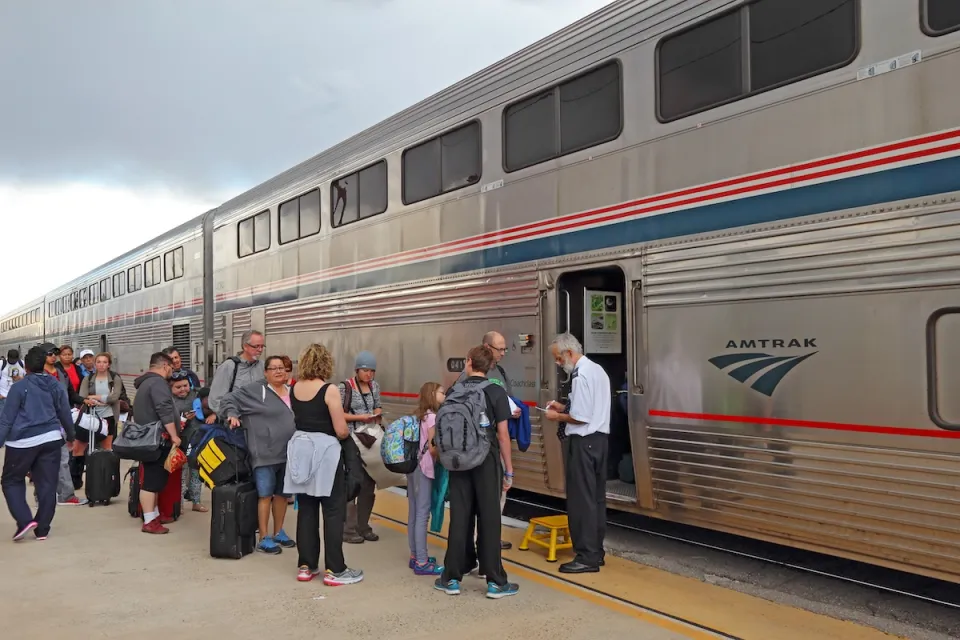
Amtrak, CN end decades-long dispute with eight-year agreement
The new operating agreement establishes an updated framework for the companies to work together, including processes to resolve disputes.

FREE Course: Walkable City 1: Why Walkability?
After describing his path towards focusing on walkability as the essence of good planning, Jeff Speck marches through his five principal reasons for making more walkable places.
Reinventing Malls: Planning Alchemy—Turning Gray Fields Into Gold
The course focuses on the opportunities and imperatives that shape reinvention of mall sites.

KFH Group Inc.
Greater Baltimore Committee
Eagle County Government
The Architects Foundation
University of Cincinnati Online
The Pocatello Development Authority
The Urban Renewal Agency of the City of Pocatello