Sparsely-populated rural counties with large amounts of public land stand to lose the most if the Trump Administration succeeds in cutting funding to the Payment in Lieu of Taxes (PILT) program.



Emily Guerin reports on the uncertain fate of the Payment in Lieu of Taxes (PILT) program, which funds fire fighting, search and rescue, and other basic services on non-taxable federal lands.
"The Department of Interior announced this week its largest PILT allocation ever, and California, the largest recipient of PILT money, netted $48 million out of a nationwide total of $464 million," reports Guerin. But while the Interior Department touted this year's allocation as evidence of the Trump Administration's support for rural communities, the budget administration's draft budget for 2018, released earlier this year, would cut that spending by almost 17 percent.
Guerin's coverage focuses on the rural areas of Southern California, such as Imperial County. For more on the specific effects of Trump's budget around the rest of the country, see an interactive map showing how the president's budget proposal cuts payments for every county in the nation, created by Mark Haggerty, an economist with Headwaters Economics.
The possible decrease in PILT funding was not the only bad news regarding federal support for rural communities to hit the wires in June. Earlier this month, Planetizen shared a story about USDA Secretary Sonny Perdue abolishing the position of Under Secretary of Rural Development—a position that oversees the Office of Rural Development and its $216 billion budget.
FULL STORY: Cash for rural Western counties could dry up under Trump budget


Trump Budget's Devastating Effect on the EPA and Two of America's Greatest Water Resources
President Trump's budget for 2018 has the U.S. Environmental Protection Agency take the steepest hit—31 percent. Funding for two vital programs, the Great Lakes Restoration Initiative and Chesapeake Bay Program, will have their funds eliminated.
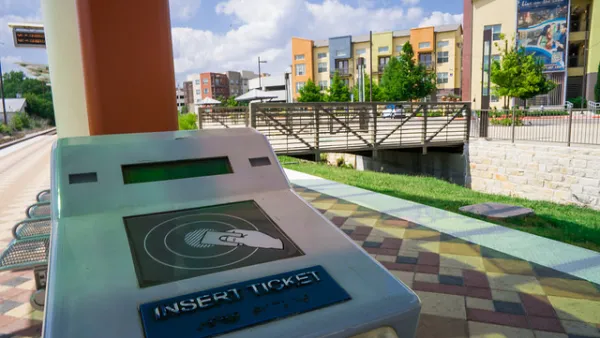
Trump's Draft Budget: Very Bad News for Transit Planners
Transit advocates should be concerned about the cuts proposed by the Trump Administration's early budget draft.
Trump Budget Blueprint Would Nix Federal Transit Spending
Reports from inside the Trump transition are that the incoming administration will follow a budget blueprint laid out by the Heritage Foundation—public transit not included.

The state-sanctioned urbicide of Austin
People don’t kill cities. Freeways do.

US to reduce Colorado River water deliveries to Mexico
A new Colorado Treaty amendment reduces Mexico’s Colorado River water allocation by 250,000 acre feet.

New Jersey’s second-largest city bans standalone data centers
Jersey City will continue to allow co-location facilities, such as those meant for research institutions that store their own data.

Amtrak not solely to blame for New Jersey commuter rail's unreliability, report finds
A new study from the Garden State Initiative found that NJ Transit’s budget grew 20% across a 4 year period, but reliability declined significantly over the same period.

EPA erases limits on planet-warming pollution from power plants
Under Monday’s plan, power plants would still have some limits on how much mercury, arsenic and other contaminants they can emit.

Phoenix announces new on-demand transit service, more frequent RAPID buses
Both new services will launch in October, and are part of Phoenix's Project Effective Access Solutions for Easing Congestion.

FREE Course: Walkable City 1: Why Walkability?
After describing his path towards focusing on walkability as the essence of good planning, Jeff Speck marches through his five principal reasons for making more walkable places.
Reinventing Malls: Planning Alchemy—Turning Gray Fields Into Gold
The course focuses on the opportunities and imperatives that shape reinvention of mall sites.

Eagle County Government
Harvard University Graduate School of Design
Nashville Planning Department
The Architects Foundation
University of Cincinnati Online
The Pocatello Development Authority
The Urban Renewal Agency of the City of Pocatello
Journal of the American Planning Association