In the 1970s and 1980s, condo conversions were all the rage in Chicago. In 2017, however, developers are scooping up multi-family buildings en masse and "deconverting" condo units into apartments.


"The condominium deconversion trend is gaining momentum in Chicago, where three more big high-rises are flirting with plans to go rental," reports Alby Gallun.
According to Gallun, the deconversions are reversing the condo conversion trend that transformed the city in the 1970s and 1980s. Times have changed, however:
Today, amid a hot apartment market, developers are willing to take on the often messy task of re-assembling condo buildings, wagering they'll be worth more as apartments. In the most recent big deal, Strategic Properties of North America completed a $51.5 million acquisition of Bel Harbour, a 30-story, 207-unit high-rise overlooking Belmont Harbor in Lakeview.
The article also devotes attention to the process developers use to deconvert condos. An Illinois state law allows developers to "take over all the condos in a building in one deal only if owners of 75 percent of the units in a property approve the sale." Developers often pay a premium to buy that support, offering a financial incentive for condo owners to approve the sale.
Meanwhile, a few fairly large condo deconversions are in the works. Developer Golub has offered $60 million to buy and deconvert Century Tower, a 28-story building in the Loop.
Read the full story: These big condo towers could be rentals once again
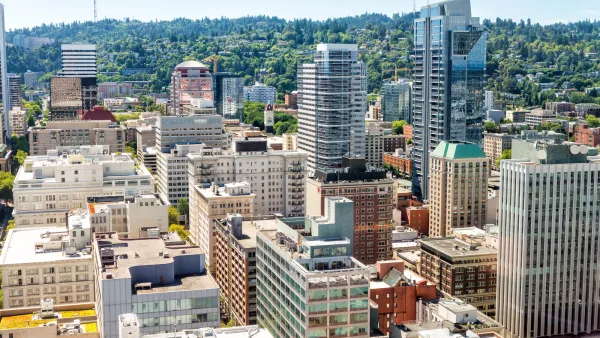
Portland Affordable Condo Project Offers a Path to Homeownership, but is it a Long-term Solution?
The project's affordability currently rests on temporary subsidies and market goodwill. For tenants who can’t buy—and future buyers looking for affordability—the risks are significant.
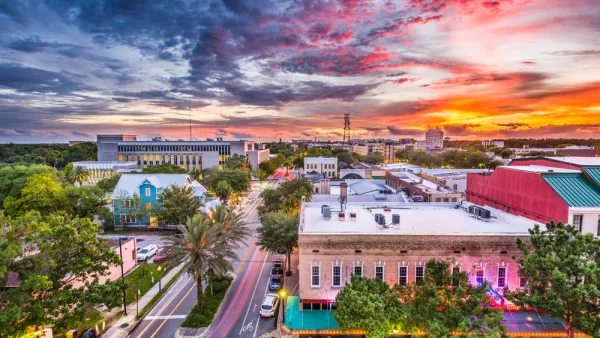
Gainesville in Final Discussions on Mandatory Inclusionary Zoning Ordinance
A see-saw battle over land use and housing policy continues in the city of Gainesville.
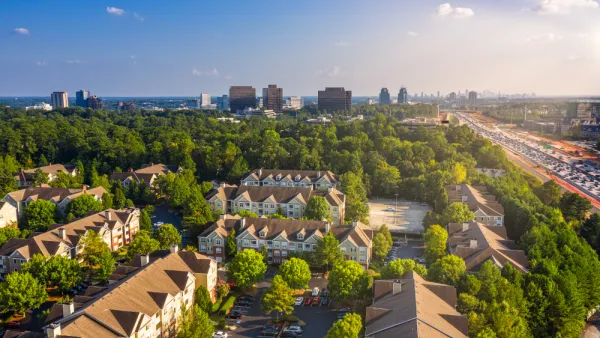
Report Links Housing Growth and Climate Resilience
Data from three U.S. metro areas show a failure to address land use and sprawl as a key factor driving climate change.

Planetizen Federal Action Tracker
A weekly monitor of how Trump’s orders and actions are impacting planners and planning in America.

California plans to bury El Niño’s downpour
If the state plays its cards right, it may be able to store a billion acre-feet of El Niño’s water in aquifers.

Desperate measures: Advocates weigh draining Lake Powell to fill Colorado River
Draining the reservoir could reduce evaporation losses by a couple hundred thousand acre-feet.

Post election, Texas is no longer Musk’s 'AI oasis'
Elon Musk dolled out $446 million on the 2026 midterms, the most ever spent by a non-canidate.

Chicago voters approve permanent festival grounds, penalty for vacant property owners
Currently, major summer and fall festivals take over public parks for weeks at a time, drawing criticism from nearby residents

NYC votes to cut outdoor dining red tape, speed up permitting
New York City also voted to allow the Department of Transportation to begin work on urgent projects before notifying elected officials.

FREE Course: Walkable City 1: Why Walkability?
After describing his path towards focusing on walkability as the essence of good planning, Jeff Speck marches through his five principal reasons for making more walkable places.
Reinventing Malls: Planning Alchemy—Turning Gray Fields Into Gold
The course focuses on the opportunities and imperatives that shape reinvention of mall sites.

City of Rosemead
Rutgers University, Edward J. Bloustein School of Planning and Public Policy
One Hundred Miles
Hunter College, City University of New York (CUNY)
The Architects Foundation
University of Cincinnati Online
City of Cambridge
Montrose County
The Pocatello Development Authority