Parts of Los Angeles erupted in flames 25 years ago this week. The causes were varied, but the results were geographic. Planners and community development efforts tried to help, but their effects have been lost in the wind.


"In the days immediately after the riots, some people felt that Los Angeles needed fresh leadership and ideas. Their impulse was to privatize the project of community redevelopment. This belief may been particularly strong in Los Angeles, where government is perceived to be weak and business to be resolute and wise."
"No sooner had Rebuild LA formed than it ran into a problem: How would this city-building be done, exactly? What projects should they, in fact, undertake? Based on what policy? No one ever figured it out. Despite good intentions and some nice gestures, Rebuild LA quickly turned into one more poverty agency in search of projects, 'partners' and funding, and companies that had pledged either money or initiatives seemed to shrivel up."
"Momentum to repair the city faded when the sense of crisis diminished. When the Northridge earthquake hit two years later, followed by the immensely entertaining O.J. Simpson murder trial, Angelenos found something else to focus on. While there were some individual success stories from the CRA and Rebuild LA, it’s hard to assess what lasting good was done. A recent released report from UCLA, timed to coincide with the anniversary of the unrest, reports that economic conditions in South Central, if anything, have worsened slightly."
Read the full story: The Los Angeles Riots after 25 Years
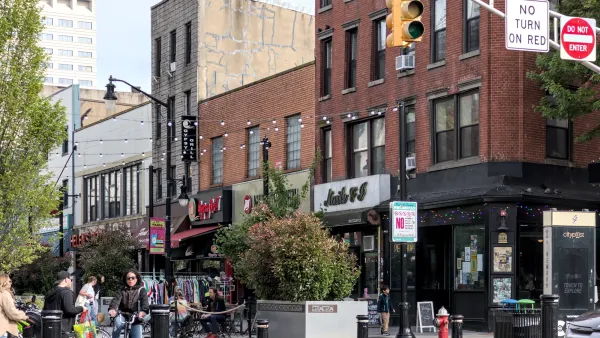
Jersey City could build 700 homes on city-owned parking lots
If approved, a redevelopment proposal would build hundreds of new homes on a pair of city parking lots.
Madison approves hundreds of affordable apartments as deadline for federal funding looms
A recently approved project will bring 163 affordable units to the north side.
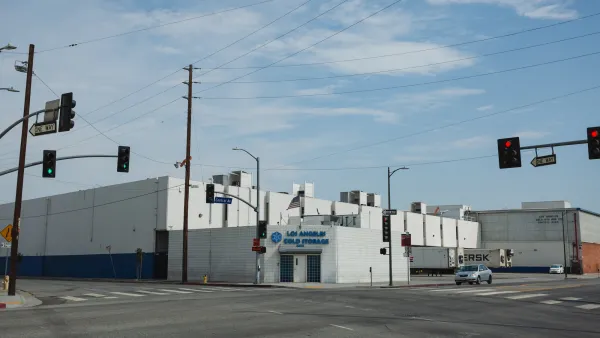
LA approves $2B 'urban village' plan for former cold storage facilities
The project promises an interconnected neighborhood with a focus on public space.

Planetizen Federal Action Tracker
A weekly monitor of how Trump’s orders and actions are impacting planners and planning in America.

Eastern Nebraska is running out of electricity
Data centers and electrification are straining eastern Nebraska’s grid, throttling economic development.

Move over, LA: St. Louis gears up for Olympics, invests millions in downtown redevelopment
The Missouri city will host the 2028 Olympic soccer group stage and knockout matches.

Dallas releases zoning code overhaul to officials
The drafted overhaul is over 400 pages long.

NYC renovations for dangerous, ‘mercilessly crammed’ street delayed until 2027
Construction was supposed to begin this fall.

San Diego’s Midway Rising project gets greenlight from city council
The project looks to become the largest affordable housing development in California's history.

FREE Course: Walkable City 1: Why Walkability?
After describing his path towards focusing on walkability as the essence of good planning, Jeff Speck marches through his five principal reasons for making more walkable places.
Reinventing Malls: Planning Alchemy—Turning Gray Fields Into Gold
The course focuses on the opportunities and imperatives that shape reinvention of mall sites.

City of Rosemead
Rutgers University, Edward J. Bloustein School of Planning and Public Policy
One Hundred Miles
University of Michigan School for Environment and Sustainability (SEAS)
Hunter College, City University of New York (CUNY)
The Architects Foundation
City of Cambridge
The Pocatello Development Authority
The Urban Renewal Agency of the City of Pocatello