The Guardian samples prominent examples of digital natives bringing new expectations for the use of technology to the public sector.



"The increase in the number of digital natives in governments not only brings in different skills, it also enthuses the rest of the workforce, and opens their eyes to more unusual ideas," according to an article by Rebecca Hill.
After detailing a few examples of citizen science and crowdsourcing innovations, Hill examines examples of how digital technology-enabled bureaucrats are changing the practice of planning.
Take Block by Block, which uses the game Minecraft to help young people show city planners how urban spaces could work better for them.
A decade ago it would have been hard to imagine a UN agency encouraging local governments to use a game to re-design their cities. Now UN-Habitat, which works with governments to promote more sustainable urban environments, is doing just that.
There are more examples of useful apps related to planning (and a few that are a little further afield in the governance universe) included in the article.
Read the full story: Minecraft in urban planning: how digital natives are shaking up governments
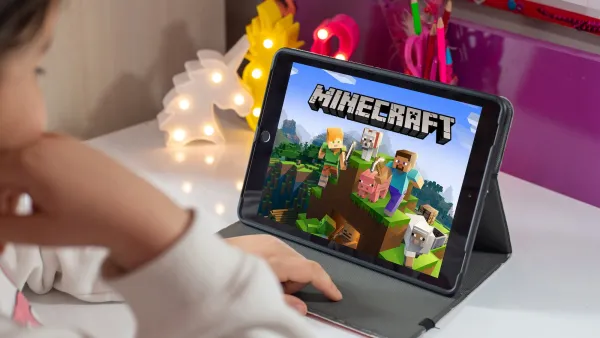
Children in 55 countries are redesigning their cities in Minecraft
A U.N.-backed program lets students and community members reimagine sites in their neighborhoods in the game — and translate them into real-life buildings.
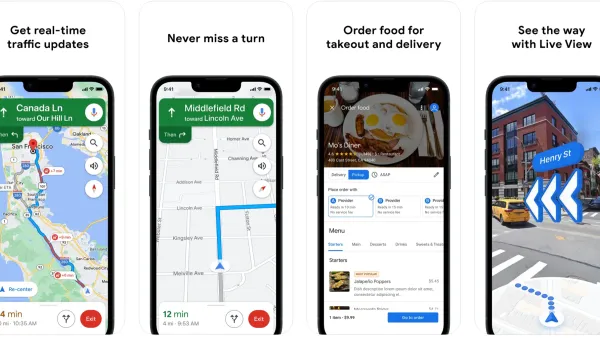
Recommended Mobile Apps for Urban Planning in 2023
Planetizen's annual list of top apps for planners is back, ten years after its first appearance on the site. Scores of apps have been recommended by planners as examples of planning in action, or tools for planning action.
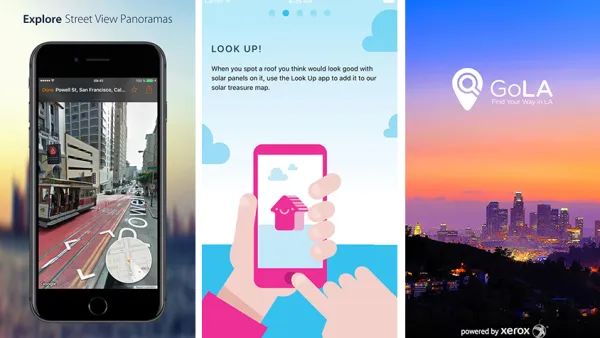
Survey: Help Identify the Best Planning Apps of 2023
Planetizen needs your help updating the definitive list of mobile apps for professional, student, academic, or citizen planners.

Planetizen Federal Action Tracker
A weekly monitor of how Trump’s orders and actions are impacting planners and planning in America.

Washington state to charge fee to drivers with fuel-efficient cars
Revenue from the fee will go towards supporting the state’s highways.

Trump to blast ‘hydrocarbon highway’ through ‘world’s longest art gallery’
Environmental and historic preservation groups are suing to stop the project.

Minnesota Gold Line extension now has launch date
Plans to extend the Gold Line have existed since 2025.

Data centers need power – lower income, rural residents pay the price
In 2025, data centers paid only 38% of the energy infrastructure costs linked to their growth, with households, especially rural and low-income residents, bearing the remaining burden.

MBTA Green Line project moved to next phrase of CIG program
The modernization effort will cost $4.08 billion.

FREE Course: Walkable City 1: Why Walkability?
After describing his path towards focusing on walkability as the essence of good planning, Jeff Speck marches through his five principal reasons for making more walkable places.
Reinventing Malls: Planning Alchemy—Turning Gray Fields Into Gold
The course focuses on the opportunities and imperatives that shape reinvention of mall sites.

City of Charlotte
City of Rosemead
Rutgers University, Edward J. Bloustein School of Planning and Public Policy
University of Michigan School for Environment and Sustainability (SEAS)
Hunter College, City University of New York (CUNY)
The Architects Foundation
University District Partnership