Bayonne, New Jersey doesn't currently have a mosque, after a heated six-hour zoning meeting officials have rejected an application to build one.


In a zoning meeting that featured New Jersey residents chanting the Lord’s Prayer in hopes of drowning out a group of Muslim men who had begun to pray, the zoning board of Bayonne New Jersey rejected an application to build a mosque in the city. "The Muslims of Bayonne, who bought the warehouse on a dead-end street for $1 million more than two years ago and requested zoning changes shortly thereafter, are now reviewing their legal options," reports Matt Katz for WNYC.
This meeting has been a long time in the making, "For several years, Muslim residents here have rented space in the basement of a Catholic church to pray. There is no mosque in the city, and the proposed project included plans for a soup kitchen, health services and summer camp for kids," Katz reports.
The city had hired a city planner who found that the mosque would not disrupt parking during peak hours. "Still, the zoning board sided with opponents, saying the mosque would inappropriately effect the neighborhood. They referenced zoning laws, not religion, in their votes," Katz reports.
Read the full story: Mosque Rejected in New Jersey Amid Fear of Muslims
Five simple zoning changes that any city can make to increase housing affordability
Zoning for more affordable housing is not rocket science, says Donald Elliot, author of "An Even Better Way to Zone." Here’s his five-step guide to getting started.
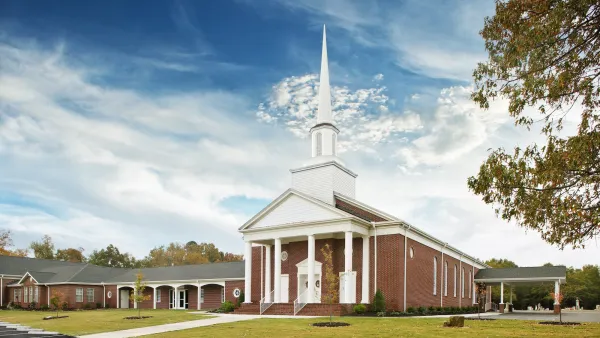
Virginia Assembly Passes ‘Yes in God’s Backyard’ Bill
The law would require 60% affordability and ensure that projects have access to water and sewage lines.
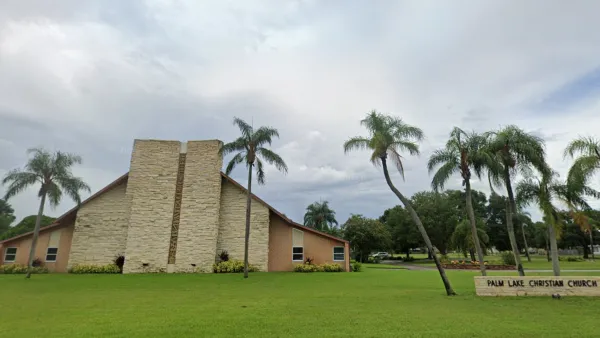
St. Pete Allows Housing on Church Land, a Florida First
Religious institutions can now build housing on their properties without rezoning.

Planetizen Federal Action Tracker
A weekly monitor of how Trump’s orders and actions are impacting planners and planning in America.

Eastern Nebraska is running out of electricity
Data centers and electrification are straining eastern Nebraska’s grid, throttling economic development.

Move over, LA: St. Louis gears up for Olympics, invests millions in downtown redevelopment
The Missouri city will host the 2028 Olympic soccer group stage and knockout matches.

Dallas releases zoning code overhaul to officials
The drafted overhaul is over 400 pages long.

NYC renovations for dangerous, ‘mercilessly crammed’ street delayed until 2027
Construction was supposed to begin this fall.

San Diego’s Midway Rising project gets greenlight from city council
The project looks to become the largest affordable housing development in California's history.

FREE Course: Walkable City 1: Why Walkability?
After describing his path towards focusing on walkability as the essence of good planning, Jeff Speck marches through his five principal reasons for making more walkable places.
Reinventing Malls: Planning Alchemy—Turning Gray Fields Into Gold
The course focuses on the opportunities and imperatives that shape reinvention of mall sites.

City of Rosemead
Rutgers University, Edward J. Bloustein School of Planning and Public Policy
One Hundred Miles
University of Michigan School for Environment and Sustainability (SEAS)
Hunter College, City University of New York (CUNY)
The Architects Foundation
City of Cambridge
The Pocatello Development Authority
The Urban Renewal Agency of the City of Pocatello