Proponents of the plan say the changes would help reverse decades of discriminatory housing policies.



“Milwaukee continues to be one of the most segregated cities in the country,” writes Teig Whaley-Smith in an opinion piece for the Milwaukee Journal Sentinel. To solve this, the city needs policy change like the proposed “Growing MKE” package of zoning changes that would permit additional housing types.
According to Whaley-Smith, “The policy changes proposed in Growing MKE take a giant step forward on three issues that need to be resolved.” These are inventory, neighborhood choice, and displacement. Despite federal fair housing policies, exclusionary rules that prevent hte construction of duplexes and other multifamily housing types persist in many neighborhoods today.
The proposal would expand areas where housing and multifamily housing can be built, including commercial corridors. “Growing MKE is a policy change that will eliminate most of the exclusionary zoning provisions of the 1950s. This plan will allow for more homeownership and rental homes to be available in every corner of the city by providing incremental increases to the amount of inventory that can be built to relieve housing shortages.”
FULL STORY: Opinion: Racism is embedded in Milwaukee's rules for building new housing. Here's how we fix that.

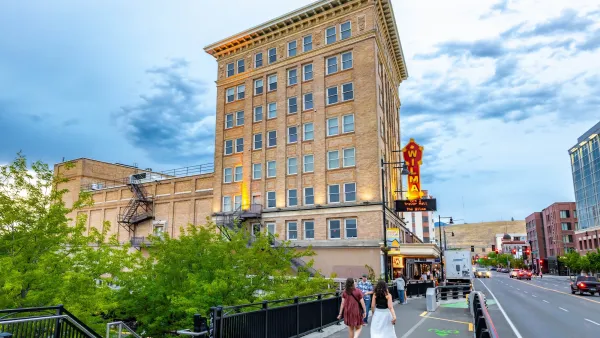
Missoula Approves Zoning Reform Emphasizing More Diverse Housing, Walkability
The city’s new zoning code, map, and development standards will guide more expansive housing options and improved walkability.
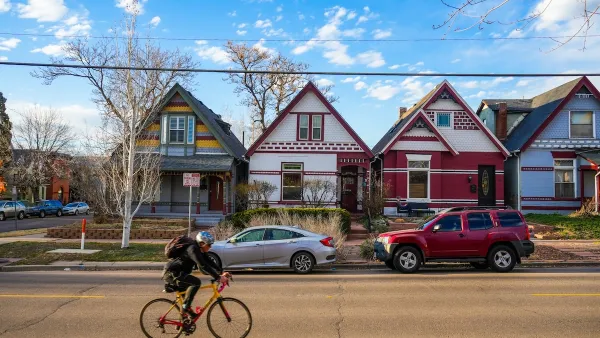
Amidst Colorado Affordability Crisis, Just 3% of Residential Land Zoned for Multifamily Housing
A new report suggests loosening restrictive zoning laws on multifamily development could help bring down high housing costs.

DC Residents Want Affordability Over ‘Character’
A poll finds that most residents want to see changes in zoning and land use laws that unlock more housing construction in the District and improve affordability.

Planetizen Federal Action Tracker
A weekly monitor of how Trump’s orders and actions are impacting planners and planning in America.

The state-sanctioned urbicide of Austin
People don’t kill cities. Freeways do.

US to reduce Colorado River water deliveries to Mexico
A new Colorado Treaty amendment reduces Mexico’s Colorado River water allocation by 250,000 acre feet.

5 New England states march closer to 800 megawatt wind energy project
Securing federal approval for the project may be complicated under the Trump administration, which has historically been hostile towards domestic wind power.

Baltimore to break ground on $50 million Transit Priority Project
The project will bring faster bus trips, safer streets and better bike connections to Baltimore.

Airbnb launches $250 million 'last-dollar financing' housing accelerator, makes first investment in Austin
The company will put $6.4 million towards affordable housing development in Texas’ capital.

FREE Course: Walkable City 1: Why Walkability?
After describing his path towards focusing on walkability as the essence of good planning, Jeff Speck marches through his five principal reasons for making more walkable places.
Reinventing Malls: Planning Alchemy—Turning Gray Fields Into Gold
The course focuses on the opportunities and imperatives that shape reinvention of mall sites.

Eagle County Government
Harvard University Graduate School of Design
Nashville Planning Department
The Architects Foundation
University of Cincinnati Online
The Pocatello Development Authority
The Urban Renewal Agency of the City of Pocatello
Journal of the American Planning Association