A new series of articles, launched by a big feature earlier this month, will explore the changes occurring in the famous and beloved city of Nashville.


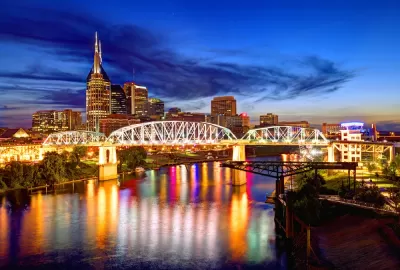
"Nashville is growing and changing fast, and the nation has taken notice," writes David Plazas in a large, photo supplemented feature for The Tennessean.
Plazas endeavors to describe the flip side of the city's rapid growth, summarized thusly: "for people who can no longer afford to live in Nashville because of the hot real estate market, the 'it city' dream is elusive."
Data backs the narrative described from multiple angles in the article:
The census reported that from 2011 to 2015, the average home price in the Nashville area was $167,500. That jumped to $266,408 in December 2016, according to monthly data tracked by the Greater Nashville Realtors.
Real Estate website Zillow even named Nashville the hottest real estate market in 2017.
Meanwhile African-American neighborhoods near downtown undergoing a wave of displacement and "[a]ffordable housing for lower-income families is now in the suburbs, in places such as Antioch, Bellevue and Madison," writes Plazas. "In some cases, that is causing a concentration of poverty in outlying areas of the city."
Rev. Bill Barnes, whose name is also found on city's affordable housing trust fund, is quoted in the article describing the "suburbanization of poverty" and the "homogenization" of neighborhoods, "where poorer children have inequitable access to quality schools, transportation and opportunities."
Plazas also discussed the affordable housing agenda laid out in the 2015 NashvilleNext comprehensive plan. For more on the community engagement process that led to the approval of that plan, read a Planetizen feature from August 2014.
The feature article by Plazas is the first in a monthly series on "growth, housing, displacement and the future of Nashville’s neighborhoods."
FULL STORY: The costs of growth and change in Nashville

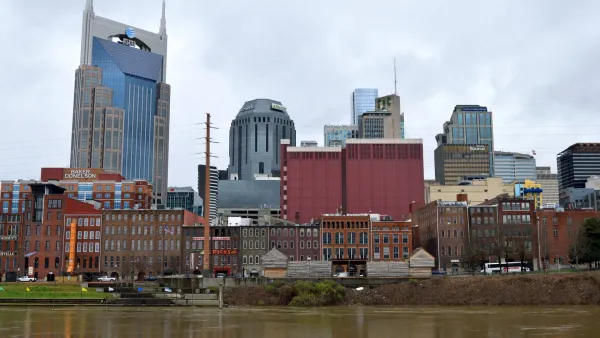
A Boom in Nashville, but Fast Growth Could Bring Problems
Nashville has a great deal going for it, but rising housing costs and gentrification could take it down a darker path.

10 U.S. Cities Launch Anti-Displacement Network
More than half of American tenants are rent-burdened, putting them at risk of displacement. A national collaboration with PolicyLink hopes to help.
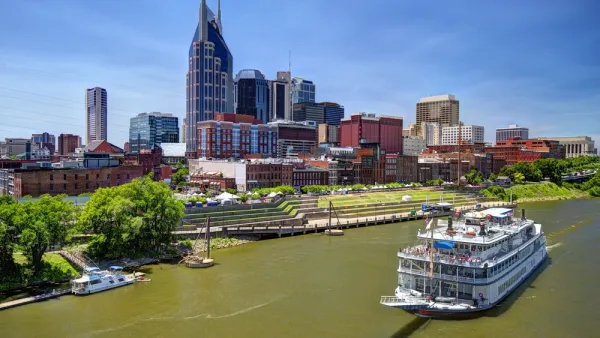
Black Population Plummets in Nashville Neighborhoods
The new development in and around Downtown Nashville is driving out black residents, according to this article.

Planetizen Federal Action Tracker
A weekly monitor of how Trump’s orders and actions are impacting planners and planning in America.

The state-sanctioned urbicide of Austin
People don’t kill cities. Freeways do.

US to reduce Colorado River water deliveries to Mexico
A new Colorado Treaty amendment reduces Mexico’s Colorado River water allocation by 250,000 acre feet.

Mamdani overhauls NYC's Vision Zero plan with 100 new policy goals
The overhaul aims to reduce traffic deaths and make streets safer for pedestrians, cyclists and drivers through lower speed limits, new safety infrastructure and more.

Amtrak not solely to blame for New Jersey commuter rail's unreliability, report finds
A new study from the Garden State Initiative found that NJ Transit’s budget grew 20% across a 4 year period, but reliability declined significantly over the same period.

EPA erases limits on planet-warming pollution from power plants
Under Monday’s plan, power plants would still have some limits on how much mercury, arsenic and other contaminants they can emit.

FREE Course: Walkable City 1: Why Walkability?
After describing his path towards focusing on walkability as the essence of good planning, Jeff Speck marches through his five principal reasons for making more walkable places.
Reinventing Malls: Planning Alchemy—Turning Gray Fields Into Gold
The course focuses on the opportunities and imperatives that shape reinvention of mall sites.

Eagle County Government
Harvard University Graduate School of Design
Nashville Planning Department
The Architects Foundation
University of Cincinnati Online
The Pocatello Development Authority
The Urban Renewal Agency of the City of Pocatello
Journal of the American Planning Association