The Downtown Commuter Survey saw an uptick in 'drive alones' among commuters who work in the city.


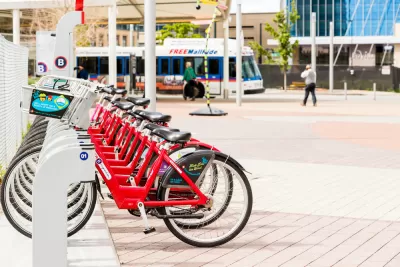
More commuters in Denver drive alone to work than take public transit according the Downtown Commuter Survey. It's the first time since the survey began using its current methodology in 2013 that more people are driving alone than other mode choices. "Despite the 1.8 percent rise in solo drivers since 2015, the DDP is still optimistic that with the proper infrastructure and policy implementation over the coming years, the survey direction can be reversed." Abbie Mitchell writes for 5280.
Women were more likely to drive than men. "The survey says that while commuters over the age of 49 are more likely to use transit than their younger counterparts, women in their 30s and 40s are more likely to drive alone than any other group surveyed, regardless of age or gender," Mitchell reports. This may be part of an opportunity to better serve female commuters. The survey also looked into the reasons why commuters chose to drive, "74 percent of those who regularly drive to work alone saying that they are willing to try other modes of transportation to make it to the office, and 57 percent of the same group saying it would utilize transit if it were faster or more frequent," Mitchell details.
FULL STORY: Commuter Survey Sees Decrease In Public Transit Users

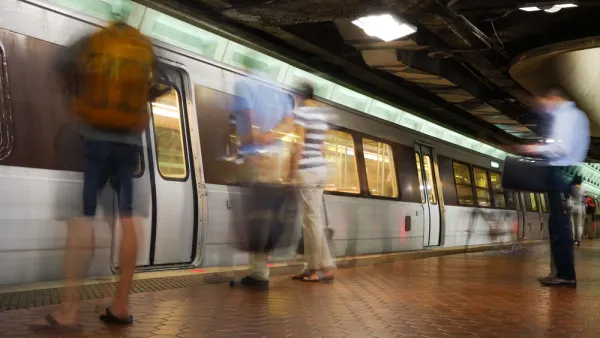
Report: D.C. Area Commuters Driving Alone Less
With all the bad news about plummeting ridership as the D.C. Metro transit system has struggled to deal with maintenance issues, a new report indicates that regional commuters are still driving alone less.
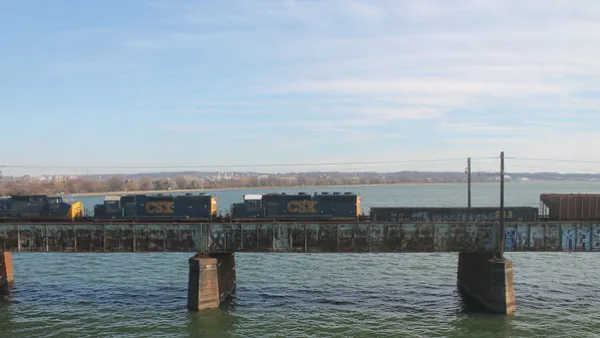
Virginia Passenger Rail Sets Ridership Records, Seeks More Wins
Virginia’s commitment to intercity rail is paying off in record ridership numbers, but more work will be necessary to achieve the state’s ambitions for passenger rail.

How Mass Transit Can Adapt to Post-Pandemic Needs
With commuter ridership playing a smaller role in transit operations, agencies must reorganize their services around different travel schedules and patterns.

The state-sanctioned urbicide of Austin
People don’t kill cities. Freeways do.

US to reduce Colorado River water deliveries to Mexico
A new Colorado Treaty amendment reduces Mexico’s Colorado River water allocation by 250,000 acre feet.

New Jersey’s second-largest city bans standalone data centers
Jersey City will continue to allow co-location facilities, such as those meant for research institutions that store their own data.

Amtrak not solely to blame for New Jersey commuter rail's unreliability, report finds
A new study from the Garden State Initiative found that NJ Transit’s budget grew 20% across a 4 year period, but reliability declined significantly over the same period.

EPA erases limits on planet-warming pollution from power plants
Under Monday’s plan, power plants would still have some limits on how much mercury, arsenic and other contaminants they can emit.

Phoenix announces new on-demand transit service, more frequent RAPID buses
Both new services will launch in October, and are part of Phoenix's Project Effective Access Solutions for Easing Congestion.

FREE Course: Walkable City 1: Why Walkability?
After describing his path towards focusing on walkability as the essence of good planning, Jeff Speck marches through his five principal reasons for making more walkable places.
Reinventing Malls: Planning Alchemy—Turning Gray Fields Into Gold
The course focuses on the opportunities and imperatives that shape reinvention of mall sites.

Eagle County Government
Harvard University Graduate School of Design
Nashville Planning Department
The Architects Foundation
University of Cincinnati Online
The Pocatello Development Authority
The Urban Renewal Agency of the City of Pocatello
Journal of the American Planning Association