After six years and 242 meetings, Buffalo's Green Code was signed into law Tuesday. The Green Code is the first rewrite of the city's zoning ordinance since 1953, and one of only three citywide form-based codes implemented in North America.


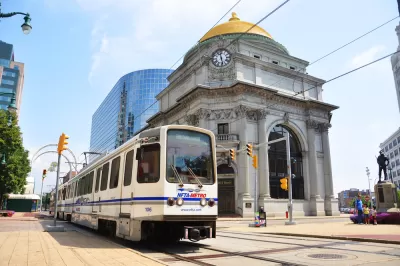
"The first meeting to discuss a Green Code for Buffalo was held more than six years ago in what is now called One Seneca Tower," reports Mark Sommer.
"On Tuesday – after 242 public meetings across the city – Mayor Byron W. Brown went to the downtown skyscraper's 24th floor to sign the Green Code into law – the first comprehensive overhaul of the city's zoning code since 1953."
Mayor Brown is quoted in the article saying, "This is now the new development DNA of the City of Buffalo."
In case you missed the news at the time of the Green Code's approval, another article by Sommer supplements the current coverage with reporting on the Buffalo Green Code, known officially as the Unified Development Ordinance.
Read the full story: Mayor signs Buffalo's Green Code into law


Expected for Approval Today: The New Buffalo Green Code
The Buffalo Common Council is expected to approve a highly anticipated overhaul of its zoning code. Known commonly as the Buffalo Green Code, city planners tout the new code as deliberately contemporary and progressive.
Checking In on the Buffalo Green Code
Buffalo Mayor Byron Brown provides insight into one of the nation's most significant planning efforts.
The Pretext Problem: The Pitfalls of Planning While Bargaining
Lots of planning is discretionary. Cities and developers negotiate what builders will do for cities in exchange for the right to build, creating an incentive for bad rules, eroding the public's faith in zoning, and enabling political corruption.

Planetizen Federal Action Tracker
A weekly monitor of how Trump’s orders and actions are impacting planners and planning in America.

‘Going backwards:’ Baltimore mayor, students rally against state's transit funding plan
Maryland's proposed six-year plan provides no funding for Baltimore’s BMORE bus program and reduces its road maintenance funding.

Detroit to transform waterfront with $2.2 billion investment
Developers will convert about 18 acres of unused parking lot space into civic spaces.

'Fertilization president' to reward areas with high birthrates more transit funding
The Federal Transit Association plans to cover up to 10% more of a transit project's costs if the community’s birth rates meet or exceed national thresholds.

25 states, cities sue the EPA over erased power plant emissions limits
The coalition also intends to sue the EPA for not regulating emissions from gas-fired power plants.

Newsom vetoes giving CA tribes greater voice in water projects
In his veto letter, Newsom said the bill would add ‘uncertainty’ to the state’s fight to secure Californians’ water supplies.

FREE Course: Walkable City 1: Why Walkability?
After describing his path towards focusing on walkability as the essence of good planning, Jeff Speck marches through his five principal reasons for making more walkable places.
Reinventing Malls: Planning Alchemy—Turning Gray Fields Into Gold
The course focuses on the opportunities and imperatives that shape reinvention of mall sites.

City of Thousand Oaks
City of Wisconsin Rapids
Harvard University Graduate School of Design
The Architects Foundation
University of Cincinnati Online
Northern Illinois Transit Authority (NITA)
The Pocatello Development Authority
The Urban Renewal Agency of the City of Pocatello