Montgomery County, Maryland is pursuing significant changes for Downtown Bethesda. The proof is in the draft Bethesda Downtown Plan—a long-range land use plan that would allow a new approach to density.


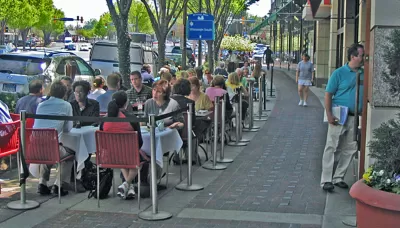
Bill Turque reports on the ongoing Bethesda Downtown Plan underway at the Montgomery County Planning Department. The goal for the new long-range land use plan for Downtown Bethesda: bring the reality of the county's public realm closer to the vision laid out by planners in a 1994 plan.
According to Torque, the current draft plan "places new emphasis on design and environmental sustainability and would require property owners to pay for parks and affordable housing to get permission to build bigger and taller — up to 29 stories along the neighborhood’s central artery."
"The hope is that the downtown Bethesda of 2035 will truly be greener, more walkable and architecturally striking," adds Turque.
Among the innovations proposed by the new plan: pooling the additional density allowed by the new plan, rather than allowing specific levels of density to each project. The plan also proposes a park impact fee, inclusionary zoning, environmental standards, and a design review process.
The Bethesda Downtown Plan is expected for its first hearing with the Montgomery County Council's Planning, Housing and Economic Development Committee in January 2017.
Read the full story: In downtown Bethesda, residents and county debate whether more height is right
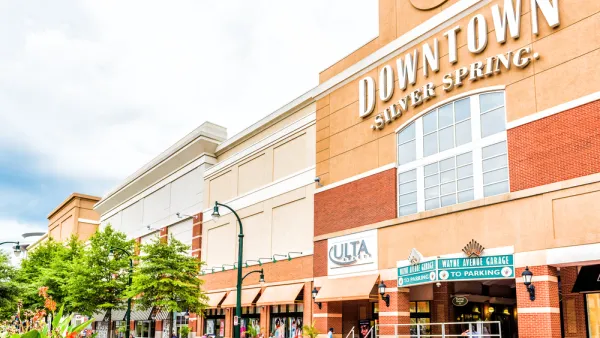
Silver Spring Downtown Plan Expanding to Make Room for the Missing Middle
Planners are hoping that by expanding the boundaries of the Silver Spring Downtown Plan in Montgomery County, Maryland, new opportunities for missing middle housing will create new opportunities for housing affordability.
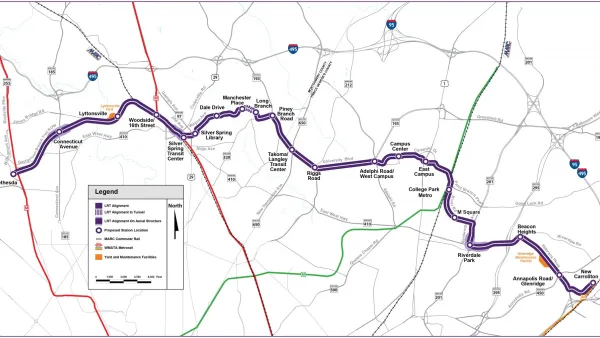
Maryland's Purple Line Clears Final Legal Obstacle
A third lawsuit tried to halt the Purple Line light rail project in Maryland, but it was just the latest lawsuit to get tossed by a judge.
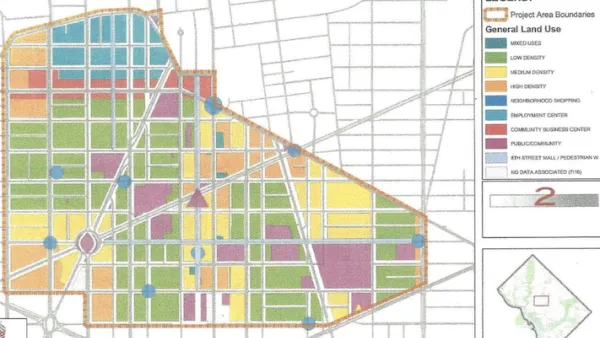
The Days of Two Remaining D.C. Urban Renewal Plans Could Be Numbered
Urban renewal plans for Downtown D.C. and the Shaw neighborhood are all that's left of a mid-20th-century planning effort.

Planetizen Federal Action Tracker
A weekly monitor of how Trump’s orders and actions are impacting planners and planning in America.

California plans to bury El Niño’s downpour
If the state plays its cards right, it may be able to store a billion acre-feet of El Niño’s water in aquifers.

Desperate measures: Advocates weigh draining Lake Powell to fill Colorado River
Draining the reservoir could reduce evaporation losses by a couple hundred thousand acre-feet.

Chicago voters approve permanent festival grounds, penalty for vacant property owners
Currently, major summer and fall festivals take over public parks for weeks at a time, drawing criticism from nearby residents

NYC votes to cut outdoor dining red tape, speed up permitting
New York City also voted to allow the Department of Transportation to begin work on urgent projects before notifying elected officials.

California appears to reject Prop. 45
The proposition would have expanded the projects that qualify for a streamlined environmental review, effectively paring down the California Environmental Quality Act.

FREE Course: Walkable City 1: Why Walkability?
After describing his path towards focusing on walkability as the essence of good planning, Jeff Speck marches through his five principal reasons for making more walkable places.
Reinventing Malls: Planning Alchemy—Turning Gray Fields Into Gold
The course focuses on the opportunities and imperatives that shape reinvention of mall sites.

City of Rosemead
Rutgers University, Edward J. Bloustein School of Planning and Public Policy
One Hundred Miles
Hunter College, City University of New York (CUNY)
The Architects Foundation
University of Cincinnati Online
City of Cambridge
Montrose County
The Pocatello Development Authority