Facing an affordability crisis, Seattle is betting on dense, walkable development. The transition away from guaranteed parking promises to be no easier here than elsewhere.


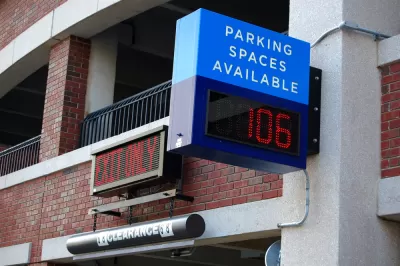
In downtown Seattle and adjacent transit-friendly areas, Mike Rosenberg writes, "30 percent of new apartment developments proposed in the past several years included no parking at all, according to new data analysis provided by the city."
"On average across the city, developers now include 60 percent fewer parking spaces per unit at new buildings than they did a decade ago. Now, only about half of new apartments come with even an option for a parking space."
Eliminating parking requirements eliminates the need for expensive parking garages, reducing costs to developers and increasing density. The city's bet is that this will keep rents in check. And even if it doesn't, the city still benefits from a vibrant, residential downtown.
There has been local resistance to the trend, but Seattle's parking decline seems certain. "With the passage in November of the $54 billion light-rail and bus expansion measure — which includes big money to study housing near new stations — planners will likely move more neighborhoods into zones where parking isn't required."
Read the full story: Seattle builds lots of new apartments, but not so many parking spots

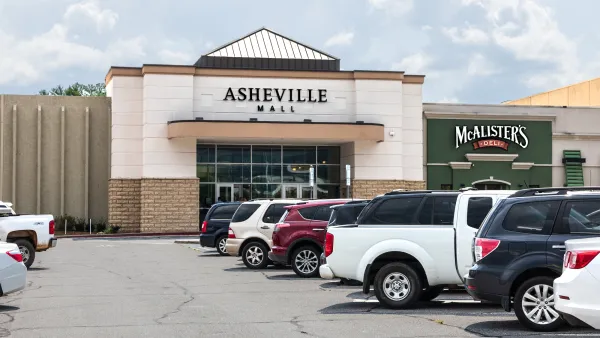
Asheville reconsiders parking minimums as surface parking eats up over a third of downtown real estate
Housing advocates say parking requirements are unnecessary and induce sprawl.
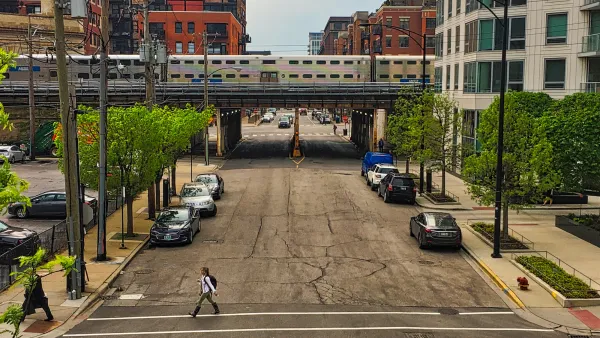
Chicago eliminates parking requirements near transit
In 2025, Illinois barred cities from mandating parking near train and bus stations.
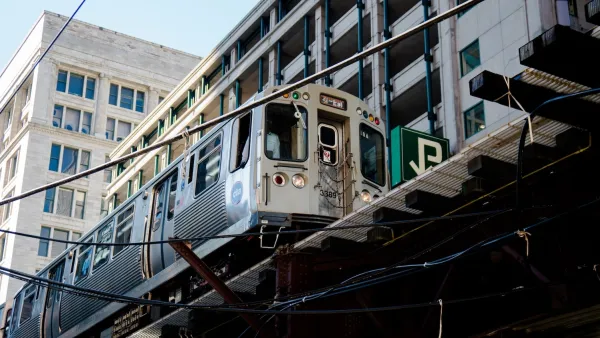
Illinois ‘People Over Parking Act’ Bans Parking Requirements Near Transit
The new law could unlock denser, more affordable housing development near train and bus lines.

Planetizen Federal Action Tracker
A weekly monitor of how Trump’s orders and actions are impacting planners and planning in America.

Amtrak, CN end decades-long dispute with eight-year agreement
The new operating agreement establishes an updated framework for the companies to work together, including processes to resolve disputes.

Judges permit Denver to divert 77,000 acre feet from the Colorado River for reservoir expansion
Overuse and climate change have caused the Colorado River’s water levels to plummet.

NYC DOT wants faster, more permanent street upgrades
The city is examining ways to build more concrete infrastructure without getting entangled in 'decades-long' projects.

'Something we’ve never seen before:' rising utility rates could strain city finances nationwide
Data centers, climate change and other factors have caused utility rates in the United States to increase by 38% since 2020.

Trump to overrule local leaders, lease millions of acres of America’s Pacific Island territories’ seafloors to mining companies
International law says that the Indigenous people of America’s territories have a right to prior and informed consent regarding projects that impact their countries.

FREE Course: Walkable City 1: Why Walkability?
After describing his path towards focusing on walkability as the essence of good planning, Jeff Speck marches through his five principal reasons for making more walkable places.
Reinventing Malls: Planning Alchemy—Turning Gray Fields Into Gold
The course focuses on the opportunities and imperatives that shape reinvention of mall sites.

Harvard University Graduate School of Design
KFH Group Inc.
Greater Baltimore Committee
The Architects Foundation
University of Cincinnati Online
The Pocatello Development Authority
The Urban Renewal Agency of the City of Pocatello