The Federal Railroad Administration will soon update regulations regarding U.S. trains, this could have major impact on the industry and train travel.


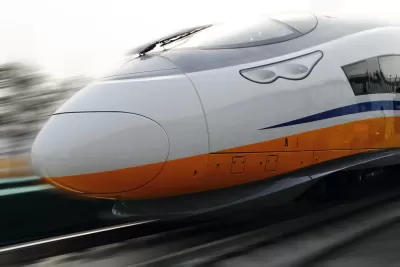
American regulations have long been blamed for American trains being slower and more expensive than they are in other countries around the world. Angie Schmitt writes for Streetsblog that regulations are about to change and the Federal Railroad Administration, which "…expects the new rules will enable railroads to use trains that are safer, more energy efficient, and cheaper to operate." This is because U.S. Regulations are out of step with those of the other major train markets. "Building trains to unusual U.S. safety standards for the small American passenger rail market made rolling stock purchases needlessly expensive. Opening the door to standardized European train specifications will significantly lower prices," Schmitt reports.
These lower costs would translate to large savings, "Rail operators are expected to save hundreds of millions of dollars a year as a result," Schmitt writes. This leads some to hope that this cash infusion could go along way toward making passenger rail faster and less costly.
FULL STORY: Federal Regulators Will Let U.S. Railroads Run Faster, More Efficient Trains

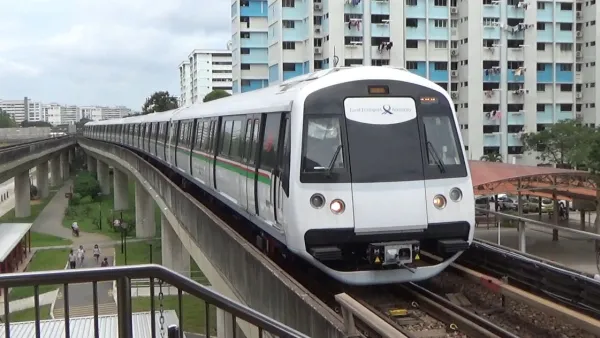
Congress Intends to Ban Chinese Rail Cars
The U.S. is an expensive place to build transit resources. A move from Congress to ban Chinese rail cars over espionage fears may exacerbate that problem.
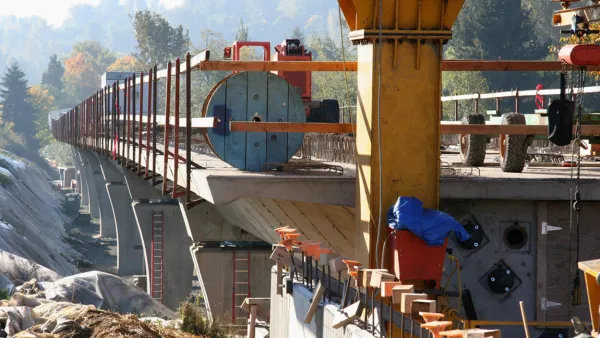
Buying American Is Making Infrastructure More Expensive, Study Finds
From train cars to buses, a new study finds that buying American adds cost.
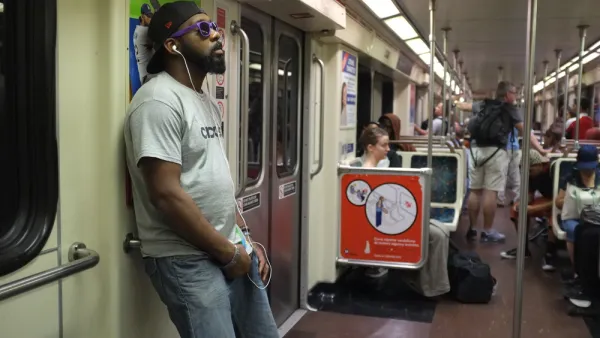
64 New Subway Cars Arriving in Los Angeles by 2021
To replace its existing, Italian-manufactured subway rolling stock, Los Angeles County Metro is turning to China Railway Rolling Stock Corporation (CRRC).

Planetizen Federal Action Tracker
A weekly monitor of how Trump’s orders and actions are impacting planners and planning in America.

The state-sanctioned urbicide of Austin
People don’t kill cities. Freeways do.

US to reduce Colorado River water deliveries to Mexico
A new Colorado Treaty amendment reduces Mexico’s Colorado River water allocation by 250,000 acre feet.

Mamdani overhauls NYC's Vision Zero plan with 100 new policy goals
The overhaul aims to reduce traffic deaths and make streets safer for pedestrians, cyclists and drivers through lower speed limits, new safety infrastructure and more.

Amtrak not solely to blame for New Jersey commuter rail's unreliability, report finds
A new study from the Garden State Initiative found that NJ Transit’s budget grew 20% across a 4 year period, but reliability declined significantly over the same period.

EPA erases limits on planet-warming pollution from power plants
Under Monday’s plan, power plants would still have some limits on how much mercury, arsenic and other contaminants they can emit.

FREE Course: Walkable City 1: Why Walkability?
After describing his path towards focusing on walkability as the essence of good planning, Jeff Speck marches through his five principal reasons for making more walkable places.
Reinventing Malls: Planning Alchemy—Turning Gray Fields Into Gold
The course focuses on the opportunities and imperatives that shape reinvention of mall sites.

Eagle County Government
Harvard University Graduate School of Design
Nashville Planning Department
The Architects Foundation
University of Cincinnati Online
The Pocatello Development Authority
The Urban Renewal Agency of the City of Pocatello
Journal of the American Planning Association