The Brooklyn-Queens Expressway (BQE) is built atop of crumbling series of bridges. The city is expected to go in high gear on construction on Brooklyn's only interstate highway by the beginning of the next decade.


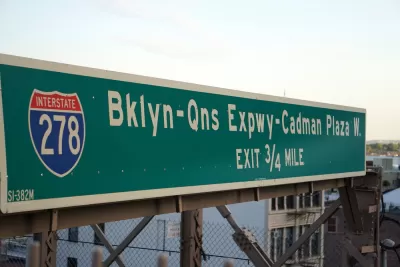
Dana Rubinstein reports on the ongoing need to repair a 1.25-mile stretch of the BQE in Brooklyn—at a cost of $1.7 billion. According to Rubinstein, the city has many bridges that are deteriorating and in need of repair of replacing, but this particular project could be particularly inconvenient:
New York City controls 789 bridges. Twenty-one, including three that comprise the base of the promenade, make up a 1.25-mile stretch of the BQE that the city admits is deteriorating. Within the next decade or so, the degradation will necessitate repairs, rendering that heavily trafficked portion of Brooklyn’s only interstate highway a construction-laden mess and sending tens of thousands of cars and trucks into the surrounding neighborhoods.
The city is expecting to begin construction on the BQE between 2020 and 2023; meanwhile an expected 12-year window of good repair is closing quickly. A spokesperson for the department of transportation has said this project is the city's number one priority—so much so that the department is "circumventing the normal chain of command."
"While a bureau inside the bridges department runs all other big-ticket bridge jobs, this project’s managers report directly to Robert Collyer, the department's deputy commissioner for bridges," according to Rubinstein.
Rubinstein also connects the problems with the bridges on the BQE with other large infrastructure projects like the ongoing project to repair the tunnels for the L Train under the East River, the delayed project to build a new cross-Hudson tunnel, and the renovation of LaGuardia Airport.
Read the full story: With clock ticking, city gets moving on $1.7B highway mega project Read more: http://www.politico.com/states/new-york/city-hall

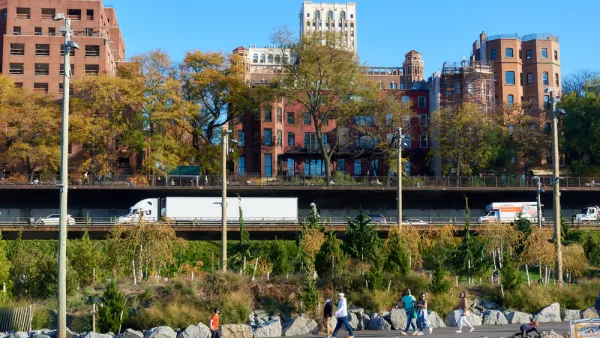
Expressway Expansion Could Threaten Brooklyn Bridge Park
Supporters of the waterfront park worry NYCDOT’s plan to potentially widen the Brooklyn-Queens Expressway could reduce green space in “one of the most expensive urban parks ever built.”
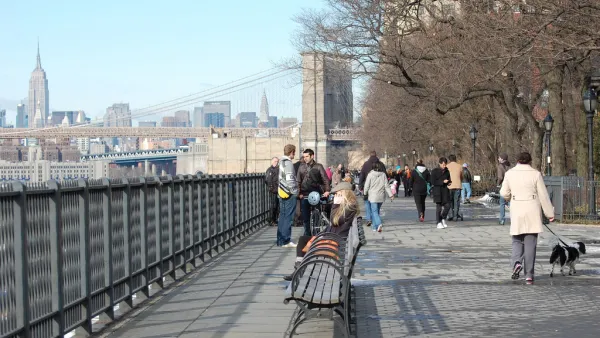
Fate of Brooklyn Heights Promenade Tethered to BQE Repair
The Brooklyn Heights Promenade will be closed as the Brooklyn-Queens Expressway below it is replaced. A Brownstoner column celebrates the esplanade's 68th birthday on Oct. 7, noting its troubled past and connection to Robert Moses.
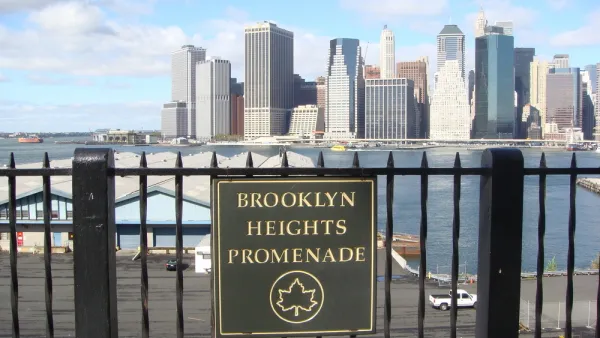
Much Hand Wringing After Brooklyn-Queens Expressway Replacement Plans Announced
New York City Transportation Commissioner Polly Trottenberg compared the project to replace a section of the Brooklyn-Queens Expressway in Brooklyn heights as New York's "Big Dig."

Planetizen Federal Action Tracker
A weekly monitor of how Trump’s orders and actions are impacting planners and planning in America.

Amtrak, CN end decades-long dispute with eight-year agreement
The new operating agreement establishes an updated framework for the companies to work together, including processes to resolve disputes.

Judges permit Denver to divert 77,000 acre feet from the Colorado River for reservoir expansion
Overuse and climate change have caused the Colorado River’s water levels to plummet.

NYC DOT wants faster, more permanent street upgrades
The city is examining ways to build more concrete infrastructure without getting entangled in 'decades-long' projects.

'Something we’ve never seen before:' rising utility rates could strain city finances nationwide
Data centers, climate change and other factors have caused utility rates in the United States to increase by 38% since 2020.

Trump to overrule local leaders, lease millions of acres of America’s Pacific Island territories’ seafloors to mining companies
International law says that the Indigenous people of America’s territories have a right to prior and informed consent regarding projects that impact their countries.

FREE Course: Walkable City 1: Why Walkability?
After describing his path towards focusing on walkability as the essence of good planning, Jeff Speck marches through his five principal reasons for making more walkable places.
Reinventing Malls: Planning Alchemy—Turning Gray Fields Into Gold
The course focuses on the opportunities and imperatives that shape reinvention of mall sites.

Harvard University Graduate School of Design
KFH Group Inc.
Greater Baltimore Committee
The Architects Foundation
University of Cincinnati Online
The Pocatello Development Authority
The Urban Renewal Agency of the City of Pocatello