New research from the International Inequalities Institute at the London School of Economics finds evidence of the displacement of elites from affluent neighborhoods in London.


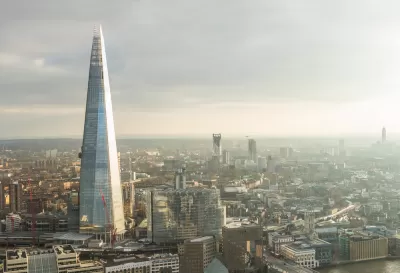
"London’s traditional elite, such as lawyers, architects and academics, are being pushed out of their enclaves in Mayfair, Chelsea and Hampstead by an influx of global super rich investors, causing a chain reaction of gentrification across the capital," according to an article by David Batty.
Batty is sharing the findings of a new study by Dr. Luna Glucksberg, titled "Is this displacement? Pushing the boundaries of super-gentrification in London's Alpha Territory." Dr. Glucksburg presented the research to the Royal Geographical Society (with IBG) Annual International Conference in London, on August 31, 2016.
Already affluent populations moving away from neighborhoods like Mayfair, Chelsea, and Hampstead, are now moving to neighborhoods like Battersea and Clapham to Acton in the South and East of London. Thus, housing costs around the city are inflating "out of the reach of average Londoners and threatening to push those on low incomes to the margins of the city and beyond," according to Batty.
The London School of Economics also posted an announcement of the study, offering more details on the findings and methodology of the new study.
Not to make light of the situation or the hard work that went into this original research, but The Onion fake news site basically predicted the findings of this study, with a satirical and fabricated story about the 'aristocratization' of gentrified neighborhoods. Their fake version of this story included an influx of "exceedingly affluent powder-wigged aristocrats" rather than the "global super rich investors," but the basic dynamics are the same. Once again, the absurdities of satire prove basic facts of human society.
Read the full story: London's elite 'pushed out of exclusive postcodes by super rich'
Recent Studies Dig Into the Affordability Effects of Housing Developments
Several recent studies add fuel to the fire of whether market-rate housing helps affordability or drives low-income people from their neighborhoods.
London's Transformation, Described in Brutal Terms
The familiar tales of expensive living in U.S. cities like San Francisco, New York, and Vancouver gain a little perspective when compared to London. Or maybe London just provides a crystal ball to the future of those cities and others like them.
Is this the first wave of de-gentrification?
Valencia, Temescal, H Street and the fickle fortunes of the gentrified neighborhood.

Planetizen Federal Action Tracker
A weekly monitor of how Trump’s orders and actions are impacting planners and planning in America.

California plans to bury El Niño’s downpour
If the state plays its cards right, it may be able to store a billion acre-feet of El Niño’s water in aquifers.

Desperate measures: Advocates weigh draining Lake Powell to fill Colorado River
Draining the reservoir could reduce evaporation losses by a couple hundred thousand acre-feet.

Chicago voters approve permanent festival grounds, penalty for vacant property owners
Currently, major summer and fall festivals take over public parks for weeks at a time, drawing criticism from nearby residents

NYC votes to cut outdoor dining red tape, speed up permitting
New York City also voted to allow the Department of Transportation to begin work on urgent projects before notifying elected officials.

California appears to reject Prop. 45
The proposition would have expanded the projects that qualify for a streamlined environmental review, effectively paring down the California Environmental Quality Act.

FREE Course: Walkable City 1: Why Walkability?
After describing his path towards focusing on walkability as the essence of good planning, Jeff Speck marches through his five principal reasons for making more walkable places.
Reinventing Malls: Planning Alchemy—Turning Gray Fields Into Gold
The course focuses on the opportunities and imperatives that shape reinvention of mall sites.

City of Rosemead
Rutgers University, Edward J. Bloustein School of Planning and Public Policy
One Hundred Miles
Hunter College, City University of New York (CUNY)
The Architects Foundation
University of Cincinnati Online
City of Cambridge
Montrose County
The Pocatello Development Authority