In a region infamous for blowing everything up and starting over again, a growing constituency is interested in preserving the residential neighborhoods of yesteryear.


"Recent preservation efforts in Southern Nevada have focused on neighborhoods built during or right after World War II, as they harbor midcentury modern architecture or earlier styles and echo a pivotal era in Las Vegas," reports Jackie Valley.
"The value [in midcentury neighborhoods] is less about any individual home and more about the collective feeling," writes Valley. "Front porches. Carports. Decorative breeze block. Wood siding embellished with stone and brick. Intricate metal fences lining front yards."
Preservation efforts in Las Vegas are gaining steam, according to the article. "This month, the Las Vegas Planning Commission approved a request from the Beverly Green Neighborhood Association to become a historic district." If the full council approves the district in September, "Beverly Green will become the second neighborhood to earn the designation since John S. Park did in 2003," writes Valley.
In the process of telling the story of Las Vegas preservation, Valley speaks with representatives from the Nevada Preservation Foundation, Historic Preservation Commission, and the Greater Las Vegas Association of Realtors—who all make the case for the benefits of neighborhood preservation.
FULL STORY: Home sweet history: Preservationists focus on Old Vegas neighborhoods

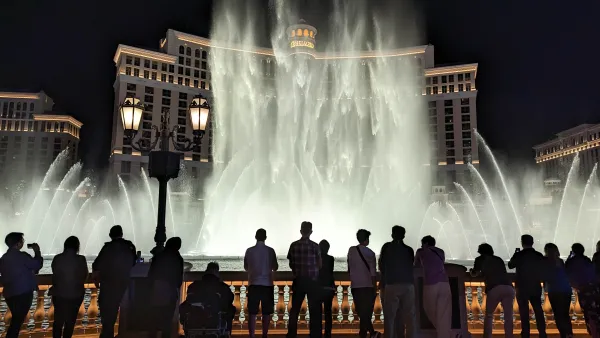
Nevada sues feds to block Colorado River cuts
The federal government’s newly released plan for managing the Colorado River’s dwindling water supply could cause Nevada to lose over 70% of its allocated water.
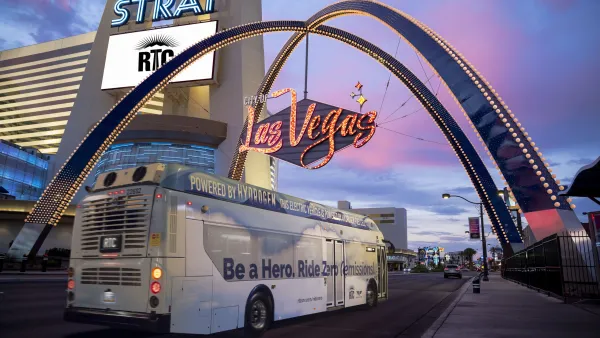
Las Vegas debuts new bus rapid transit
The project also brings widened sidewalks and more trees to the Maryland Parkway corridor.
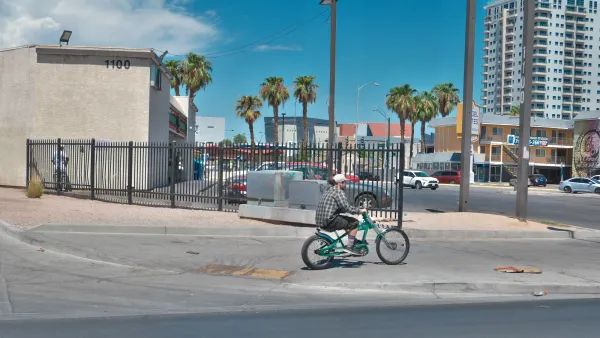
Las Vegas is building its first protected bike lane
The new lane connects Henderson and the Las Vegas Raiders headquarters via Starr Avenue.

Planetizen Federal Action Tracker
A weekly monitor of how Trump’s orders and actions are impacting planners and planning in America.

The state-sanctioned urbicide of Austin
People don’t kill cities. Freeways do.

US to reduce Colorado River water deliveries to Mexico
A new Colorado Treaty amendment reduces Mexico’s Colorado River water allocation by 250,000 acre feet.

5 New England states march closer to 800 megawatt wind energy project
Securing federal approval for the project may be complicated under the Trump administration, which has historically been hostile towards domestic wind power.

Baltimore to break ground on $50 million Transit Priority Project
The project will bring faster bus trips, safer streets and better bike connections to Baltimore.

Airbnb launches $250 million 'last-dollar financing' housing accelerator, makes first investment in Austin
The company will put $6.4 million towards affordable housing development in Texas’ capital.

FREE Course: Walkable City 1: Why Walkability?
After describing his path towards focusing on walkability as the essence of good planning, Jeff Speck marches through his five principal reasons for making more walkable places.
Reinventing Malls: Planning Alchemy—Turning Gray Fields Into Gold
The course focuses on the opportunities and imperatives that shape reinvention of mall sites.

Eagle County Government
Harvard University Graduate School of Design
Nashville Planning Department
The Architects Foundation
University of Cincinnati Online
The Pocatello Development Authority
The Urban Renewal Agency of the City of Pocatello
Journal of the American Planning Association