African-Americans and Latinos lost huge amounts of wealth in the crisis. A Washington Post editorial writer asserts that all this loss of wealth is a positive, even though it affected low- and moderate-income and new buyers disproportionately.


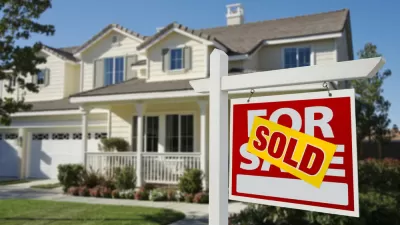
On Aug. 3, The Washington Post published a remarkable opinion piece by Charles Lane, one of the paper's editorial writers, which fits squarely into the Post’s narrative about the perniciousness of all things Fannie Mae and Freddie Mac. Lane drops this gem, “the ongoing decline of the homeownership rate is actually good news.”
Actually, it’s not.
Let’s start with how we lost ground on homeownership, which has dropped to about 63 percent of households from a peak of near 70 percent. There are two ways we did this: one, by turning owners back into renters through foreclosures, and two, by having fewer new entrants to the market. While it’s impossible and fruitless to argue what the homeownership rate should be, we know that the loss of wealth is never a good development.
Foreclosures, short sales, and other reactions to the crisis threatened and then wiped out many American dreams. It’s also well known that, as we remain in the shadow of the housing crisis, first-time homebuyers are delaying or not buying at all.
While Lane may think this is good news, it’s hard to mesh this with other data points from the crisis.
Read the full story: Say What, Washington Post? Declining Homeownership Rates Aren’t a Good Thing


Making Homeownership Work Better
Programs that help households of color buy homes haven't made much of a dent in the racial wealth gap. But some strategies could generate better outcomes for buyers.
Increased Homeownership Won’t Close the Racial Wealth Gap
Despite the hopes pinned on it, homeownership is still too affected by institutionalized racism at every turn to be an equalizer.
Family Money Boosts Chances of Homeownership for Californians
Buying a home in California is increasingly a matter of generational wealth.

Planetizen Federal Action Tracker
A weekly monitor of how Trump’s orders and actions are impacting planners and planning in America.

Amtrak, CN end decades-long dispute with eight-year agreement
The new operating agreement establishes an updated framework for the companies to work together, including processes to resolve disputes.

Northwest rail fans eager for Sept. 30 debut of Amtrak’s Airo fleet
Get ready for that new train smell and more seats. But they won’t go faster or run more frequently on the Cascades route in Washington and Oregon.

Brightline Florida files for bankruptcy
The transit company is over $5 billion in debt.

St. Louis Metro to test if single-car trains can reduce operating costs, maintain rider satisfaction
The pilot program will run from October to spring 2027, and begin with one single-car train operating on Metrolink’s Red and Blue lines.

Pennsylvania is building data centers in abandoned mines
Housing data centers in mines provides an alternative to destroying local forests and may spare residents from data centers’ noise and air pollution.

FREE Course: Walkable City 1: Why Walkability?
After describing his path towards focusing on walkability as the essence of good planning, Jeff Speck marches through his five principal reasons for making more walkable places.
Reinventing Malls: Planning Alchemy—Turning Gray Fields Into Gold
The course focuses on the opportunities and imperatives that shape reinvention of mall sites.

City of Thousand Oaks
City of Wisconsin Rapids
Harvard University Graduate School of Design
The Architects Foundation
University of Cincinnati Online
The Pocatello Development Authority
The Urban Renewal Agency of the City of Pocatello