Checking in with the level of participation from California water districts in efforts to conserve water a few months removed from an average rain year once predicted to deliver El Niño-sized excess.


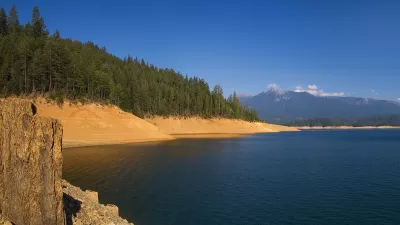
Paul Rogers reports that given the opportunity to volunteer for conservation measures, California water districts have mostly chosen to return to the status quo in the wake of the historic drought that eased after this year's winter and spring rainy season.
Rogers first provides the background: "Under fire from water agencies who were losing millions of dollars in lost water sales, Gov. Jerry Brown's administration two months ago dropped all mandatory water conservation targets and allowed cities, water districts and private water companies across the state to set their own targets."
The results of the exercise revealed very few districts willing to participate in a conservation program. "343 urban water agencies -- or 84 percent of the 411 largest in the state -- gave themselves a conservation target of zero for the rest of this year," reports Paul Rogers.
Felicia Marcus, chairwoman of the State Water Resources Control Board, is quoted in the article claiming that the actions by the state's water districts demonstrates their preparation for an ongoing drought. The Water Resources Control Board recently "required each water provider to pass a "stress test" that demonstrated it had enough water either in reservoirs, groundwater storage or contracts with other agencies to get by in case the drought continues for another three years."
FULL STORY: California drought: 84 percent of water agencies choose zero as conservation target

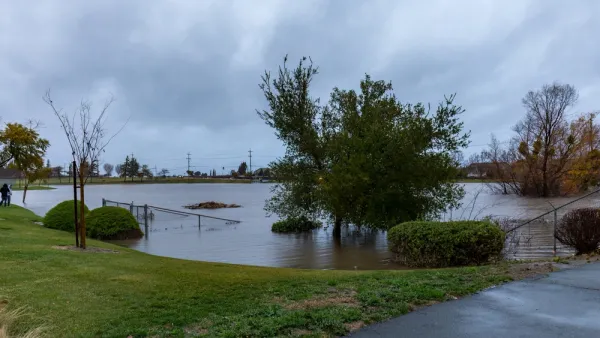
California’s Reservoirs are Filling Up, but For How Long?
Recent storms are bringing plenty of water to parched parts of California, but scientists warn the relief won’t be a long-term solution to longer, drier periods.
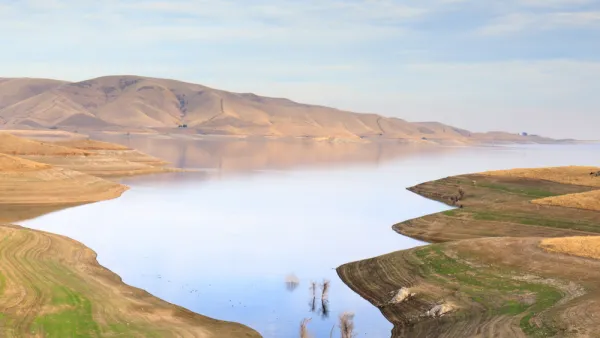
Drought Renews Momentum for $4 Billion Reservoir Project in California
Bipartisan political support, billions in state and federal funding, and an unrelenting drought are creating momentum for the Sites Reservoir project in California's northern Central Valley.
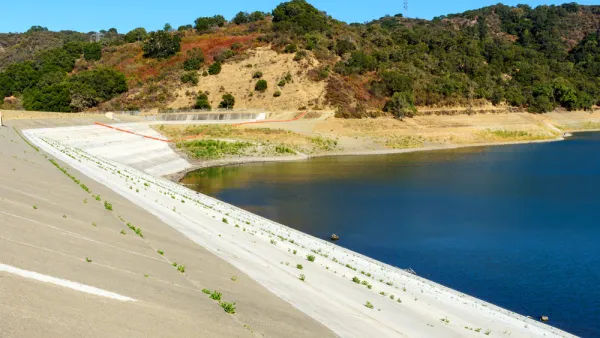
Desalination and Water Recycling Needed to Increase Bay Area Water Supply
In an ongoing drought exacerbated by climate change, the Bay Area needs to look toward two technologies to secure adequate drinking water supply: desalination and wastewater recycling, according to an analysis by the San Francisco Examiner.

Planetizen Federal Action Tracker
A weekly monitor of how Trump’s orders and actions are impacting planners and planning in America.

The state-sanctioned urbicide of Austin
People don’t kill cities. Freeways do.

US to reduce Colorado River water deliveries to Mexico
A new Colorado Treaty amendment reduces Mexico’s Colorado River water allocation by 250,000 acre feet.

LA Metro’s ultimatum: no extra buses for LA28 if federal funding isn’t imminently secured
If Metro does not provide additional buses, LA28 organizers will have to find a new way to manage Olympic traffic. LA28’s budget does not include a line item for transit.

Colorado’s Largest Data Center Could Rise Next to Homes — Without a Public Hearing
The proposed campus would consume 11 times the power of Denver International Airport; as it has across the country, opposition mounts.

5 New England states march closer to 800 megawatt wind energy project
Securing federal approval for the project may be complicated under the Trump administration, which has historically been hostile towards domestic wind power.

FREE Course: Walkable City 1: Why Walkability?
After describing his path towards focusing on walkability as the essence of good planning, Jeff Speck marches through his five principal reasons for making more walkable places.
Reinventing Malls: Planning Alchemy—Turning Gray Fields Into Gold
The course focuses on the opportunities and imperatives that shape reinvention of mall sites.

Eagle County Government
Harvard University Graduate School of Design
Nashville Planning Department
The Architects Foundation
University of Cincinnati Online
The Pocatello Development Authority
The Urban Renewal Agency of the City of Pocatello
Journal of the American Planning Association