A writer for the Tampa Bay Times critiques the city of St. Petersburg's response to repeat storm events that have sent millions of gallons of untreated wastewater into its public waters.


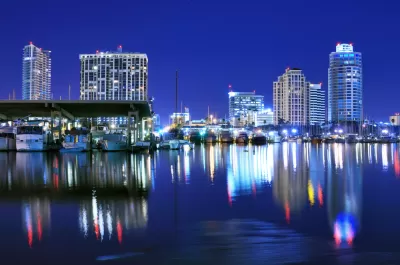
Charlie Frago writes of a recurring problem in St. Petersburg, Florida: rains overwhelming the city's wastewater system and sending millions of gallons of "untreated and partially treated sewage gushing into the waters of Tampa Bay and Boca Ciega Bay…"
Three-and-a-half million gallons of the previously described sewage overflowed the system in August 2015, prompting promises from elected officials that it wouldn't happen again. Yet along came Tropical Storm Colin in June 2016, causing "9.8 million of gallons of sewage — estimated to be 30 to 50 percent untreated sewage — [to spill] into the bay."
Frago critiques the efforts of the city to prevent ongoing sewage mishaps, summing up his assessment up with these excoriating words: "St. Petersburg had options. But the option officials chose was to do nothing." The feature-length article digs into the details of how the plan hatched after last August's storms fell short, and the additional measures that have since been added on to the city's stormwater emergency plans. For instance, the city is currently "conducting an 18-month study to determine where it needs to fix the leaky pipes that fill with rainwater during a storm, increasing the volume of waste that flows into the sewer plants."
FULL STORY: St. Petersburg had options during sewage crisis — so what happened?

Florida Plagued by Sewage Spills
The state’s aging sewage infrastructure is failing, but the cost to replace it would be monumental.
San Francisco Takes on EPA in Supreme Court Case
The Court has agreed to hear an appeal challenging federal water pollution regulations.
Chicago Flood Mitigation Scrambles to Keep up With Climate Change
The city’s geography and the growing intensity of storms due to climate change are making it difficult for local officials to prevent neighborhood flooding and wastewater spills.

Planetizen Federal Action Tracker
A weekly monitor of how Trump’s orders and actions are impacting planners and planning in America.

The state-sanctioned urbicide of Austin
People don’t kill cities. Freeways do.

US to reduce Colorado River water deliveries to Mexico
A new Colorado Treaty amendment reduces Mexico’s Colorado River water allocation by 250,000 acre feet.

5 New England states march closer to 800 megawatt wind energy project
Securing federal approval for the project may be complicated under the Trump administration, which has historically been hostile towards domestic wind power.

Baltimore to break ground on $50 million Transit Priority Project
The project will bring faster bus trips, safer streets and better bike connections to Baltimore.

Airbnb launches $250 million 'last-dollar financing' housing accelerator, makes first investment in Austin
The company will put $6.4 million towards affordable housing development in Texas’ capital.

FREE Course: Walkable City 1: Why Walkability?
After describing his path towards focusing on walkability as the essence of good planning, Jeff Speck marches through his five principal reasons for making more walkable places.
Reinventing Malls: Planning Alchemy—Turning Gray Fields Into Gold
The course focuses on the opportunities and imperatives that shape reinvention of mall sites.

Eagle County Government
Harvard University Graduate School of Design
Nashville Planning Department
The Architects Foundation
University of Cincinnati Online
The Pocatello Development Authority
The Urban Renewal Agency of the City of Pocatello
Journal of the American Planning Association