The state’s aging sewage infrastructure is failing, but the cost to replace it would be monumental.


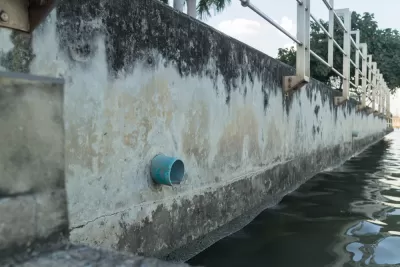
Florida sewers have spilled 1.6 billion gallons of wastewater, including 370 million gallons of untreated water, in the last decade, reports a team from GateHouse Media. Many sewers are old and reaching the end of their lifecycles, but municipalities are not able to replace the infrastructure:
Utility officials recognize the problem but say their hands are tied. They’re trying to extend the life of sewers with patchwork repairs. That’s because it could require hundreds of billions of dollars to bring the state’s older infrastructure up to modern standards, experts estimate.
The problem in Florida is exacerbated by storms that push water into the system that then overloads pipes and shuts down pumps. The threat to public health is apparent, but scientists say that fecal matter is also contributing to algae blooms in Florida waterways.
The most sewage, over half, was discharged in the Tampa Bay region. While Fort Lauderdale and Sarasota are taking steps to upgrade infrastructure, most cities do not have the resources. "But the longer municipalities wait, the more the cost will add up, while the environmental toll mounts, said Sen. Joe Gruters, R-Sarasota, who sponsored legislation under consideration this session that would fine utilities up to $2 per gallon of sewage spilled."
FULL STORY: ‘SEWER CRISIS IN THE STATE OF FLORIDA’

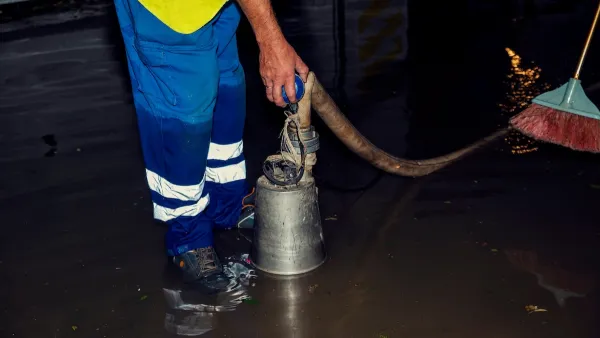
Baltimore Sewer Backup Assistance Programs Stall
Two programs aimed at helping residents safely clean up overflows caused by aging pipes are in limbo due to a dispute between the city and the EPA.
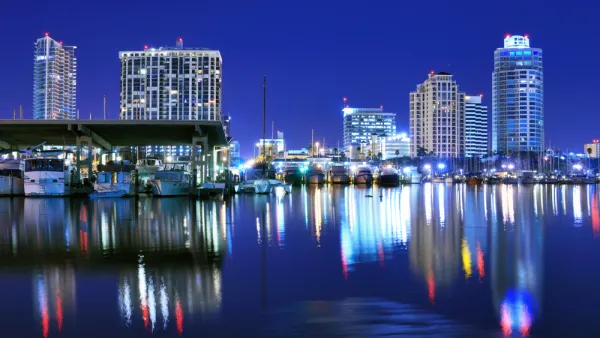
St. Petersburg Struggling to Keep its Sewage out of its Bays
A writer for the Tampa Bay Times critiques the city of St. Petersburg's response to repeat storm events that have sent millions of gallons of untreated wastewater into its public waters.

NYC plans sewer upgrades after back-to-back floods
The city is working to expand sewer capacity and improve other stormwater storage and capture systems to prevent flooding.

Planetizen Federal Action Tracker
A weekly monitor of how Trump’s orders and actions are impacting planners and planning in America.

The state-sanctioned urbicide of Austin
People don’t kill cities. Freeways do.

US to reduce Colorado River water deliveries to Mexico
A new Colorado Treaty amendment reduces Mexico’s Colorado River water allocation by 250,000 acre feet.

5 New England states march closer to 800 megawatt wind energy project
Securing federal approval for the project may be complicated under the Trump administration, which has historically been hostile towards domestic wind power.

Baltimore to break ground on $50 million Transit Priority Project
The project will bring faster bus trips, safer streets and better bike connections to Baltimore.

Airbnb launches $250 million 'last-dollar financing' housing accelerator, makes first investment in Austin
The company will put $6.4 million towards affordable housing development in Texas’ capital.

FREE Course: Walkable City 1: Why Walkability?
After describing his path towards focusing on walkability as the essence of good planning, Jeff Speck marches through his five principal reasons for making more walkable places.
Reinventing Malls: Planning Alchemy—Turning Gray Fields Into Gold
The course focuses on the opportunities and imperatives that shape reinvention of mall sites.

Eagle County Government
Harvard University Graduate School of Design
Nashville Planning Department
The Architects Foundation
University of Cincinnati Online
The Pocatello Development Authority
The Urban Renewal Agency of the City of Pocatello
Journal of the American Planning Association