It seems like behind every corner is a smart city waiting to happen. WNYC investigates.



"The Takeaway" podcast, published by WNYC, addresses the "smart cities" buzz this week by asking the question of whether it's smart to live in the city: "Is it dumb to be caught in this urban gridlock, billions of people jammed together in a post-industrial, 21st century mass?" asks host John Hockenberry at the outset of the podcast.
Setting aside the problematic conflation of everything non-rural under the term "urban" (the blog post introducing the podcast says 85 percent of the population will "likely live in a city by the end of the 21st century), the post surveys the fruits of the "smart cities" movement in six segments.
One segment, for instance, considers Hudson Yards as the dawn of New York City's "4th Era." Another segment details the recent victory of Columbus in the U.S. Department of Transportation's "Smart Cities Challenge." One segment addresses the case against smart cities. As with all buzzwords, the great potential envisioned for the "smart city" is not without its risks and reasons for skepticism.
Read the full story: The Future of The 'Smart City'
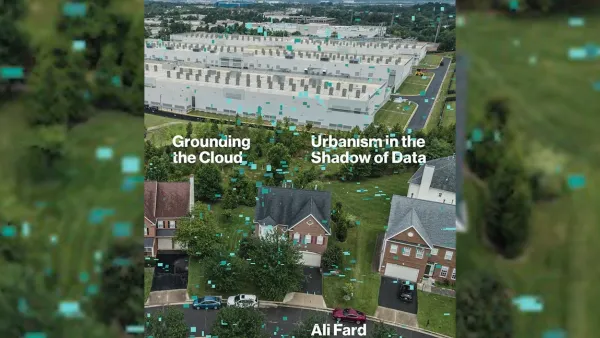
What is the impact of cities' ever-growing reliance on the tech sector?
Book review: "Grounding the Cloud: Urbanism in the Shadow of Data" is an important look at how we define and understand the cloud.
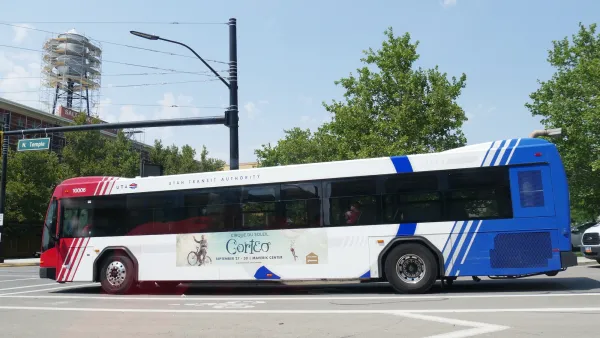
Salt Lake City debuts new bus rapid transit line
The third BRT line in the Utah Transit Authority system connects destinations from Taylorsville to the West Valley.

AI for Planners Explained: Urban Digital Twins
When AI stops talking and starts showing.

Planetizen Federal Action Tracker
A weekly monitor of how Trump’s orders and actions are impacting planners and planning in America.

Washington state to charge fee to drivers with fuel-efficient cars
Revenue from the fee will go towards supporting the state’s highways.

Trump to blast ‘hydrocarbon highway’ through ‘world’s longest art gallery’
Environmental and historic preservation groups are suing to stop the project.

A data center developer is going back on its promises to nearby residents
Data center developer HostDime originally promised free at-home Wi-Fi to residents of Eatonville, Florida.

Trump administration takes another swing at Solar for All
Since the Environmental Protection Agency announced its intent to end Solar for All in August 2025, two federal judges have ruled in favor of protecting it.

The MTA wants to entice international bus manufacturers to set up shop in America
The MTA hopes to create more competition for better bus options while still "buying American."

FREE Course: Walkable City 1: Why Walkability?
After describing his path towards focusing on walkability as the essence of good planning, Jeff Speck marches through his five principal reasons for making more walkable places.
Reinventing Malls: Planning Alchemy—Turning Gray Fields Into Gold
The course focuses on the opportunities and imperatives that shape reinvention of mall sites.

City of Charlotte
City of Rosemead
Rutgers University, Edward J. Bloustein School of Planning and Public Policy
University of Michigan School for Environment and Sustainability (SEAS)
Hunter College, City University of New York (CUNY)
The Architects Foundation
University District Partnership