The National Association of City Transportation Officials has spoken out on the ned to begin preparing for a future of automated vehicles.


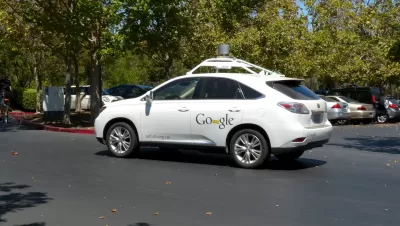
According to a press release, the National Association of City Transportation Officials (NACTO) "released a policy statement on automated vehicles, including its recommendations for incorporating this new disruptive technology into cities’ transportation networks"
The press release "urges" stakeholders at various levels of government and in the private sector to adopt five recommendations, all quoted directly from the press release:
- Plan for fully automated vehicles, not half-measures
- Rethink our streets and expressways
- Ensure safe operation on city streets, including limiting automated vehicles to a maximum speed of 25 miles per hour
- Create data-sharing requirements for automated vehicles
- Change planning models to incorporate the expected disruptive impact of this technology
NACTO's full policy statement is available online [pdf].
Read the full story: NACTO Releases Policy Recommendations for the Future of Automated Vehicles


'Cars Are Death Machines'
Not one, not two, but three articles in the past week paint dire portraits of the world that cars have created.

Autonomous Vehicles: Turn On, Tune In, Drop Out?
The implications of autonomous vehicles for social interactions are potentially vast.

Will First Fatality Affect the Development of Self-Driving Cars?
A May 7 crash of a Model S Tesla in Florida may have outsized implications for the future of driverless technology. The details of the single-fatality crash were made public in a June 30 blog by Tesla though they were reported immediately to NHTSA.

Planetizen Federal Action Tracker
A weekly monitor of how Trump’s orders and actions are impacting planners and planning in America.

Amtrak, CN end decades-long dispute with eight-year agreement
The new operating agreement establishes an updated framework for the companies to work together, including processes to resolve disputes.

Northwest rail fans eager for Sept. 30 debut of Amtrak’s Airo fleet
Get ready for that new train smell and more seats. But they won’t go faster or run more frequently on the Cascades route in Washington and Oregon.

If Corpus Christi can’t revive desalination plant project, it may owe Texas $235 million
Earlier this month, city officials declined to pursue developing the plant for the second time in a year.

Brightline Florida expected to file for bankruptcy this week
The transit agency is over $5 billion in debt.

Atlanta City Council unanimously backs $3.5 billion Beltline light rail project
The resolution was drafted after Atlanta Mayor Andre Dickens pulled support for the Atlanta Streetcar extension last year.

FREE Course: Walkable City 1: Why Walkability?
After describing his path towards focusing on walkability as the essence of good planning, Jeff Speck marches through his five principal reasons for making more walkable places.
Reinventing Malls: Planning Alchemy—Turning Gray Fields Into Gold
The course focuses on the opportunities and imperatives that shape reinvention of mall sites.

City of Thousand Oaks
City of Wisconsin Rapids
Harvard University Graduate School of Design
The Architects Foundation
University of Cincinnati Online
The Pocatello Development Authority
The Urban Renewal Agency of the City of Pocatello