Raleigh's North Carolina Museum of Art is redesigning its extensive grounds with an eye toward how public interaction with museums is shifting. Inclusion, sustainability, and brand development are paramount.



The outdoor areas next to museums and cultural institutions often feel like afterthoughts, as if to remind passers-by that the real treasures are inside. In Raleigh, the North Carolina Museum of Art wants to change that with a 17-acre, $13 million park project that will be a focal point for visitors.
The space will function as a park rather than an outdoor gallery. "'We are dead set against overpopulating this area with works of art,' said Lawrence J. Wheeler, the museum's director. 'We are not trying to create a sculpture garden but a unifying idea of what people perceive as a museum and what they perceive as a park.'"
J. Peder Zane discusses a shift in how the public interacts with museums, away from exclusive "fine arts" and toward a more multifaceted experience. "For many museums, this means viewing everything they do — the buildings they commission, the meals they serve, the gifts they sell — as integral to their mission. Instead of treating amenities as necessary evils, the institutions see them as opportunities to develop a museum brand."
Read the full story: A Park as an Extension of the Museum Itself

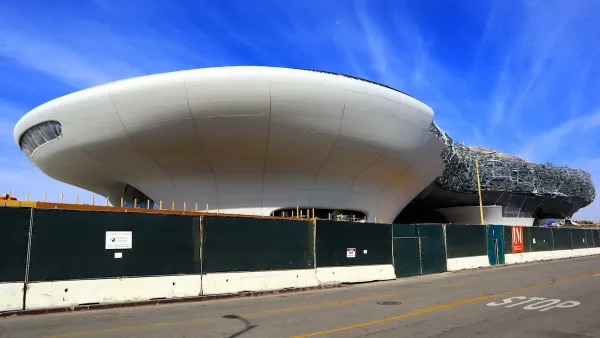
A New Cultural Landmark: Lucas Museum of Narrative Art Set to Open in 2026
Transforming a former parking lot into a dynamic cultural hub, this new museum will feature expansive gallery spaces, theaters, educational areas, and lush green landscapes while prioritizing community engagement, local hiring, and inclusive design.
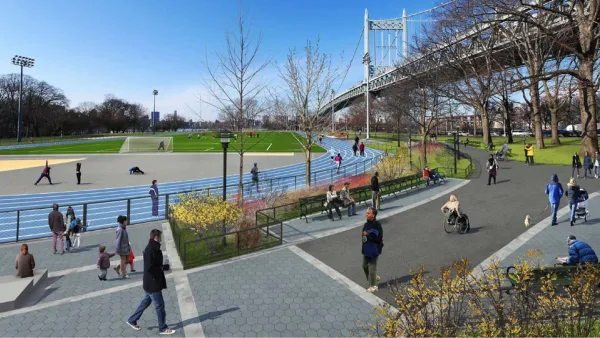
An Interview With New York Parks Commissioner Mitchell Silver, FAICP
Mitchell Silver, commissioner of the New York City Department of Parks and Recreation, former planning director of Raleigh, and former president of the APA, discusses the aspirations and realities of a long, successful career in planning.
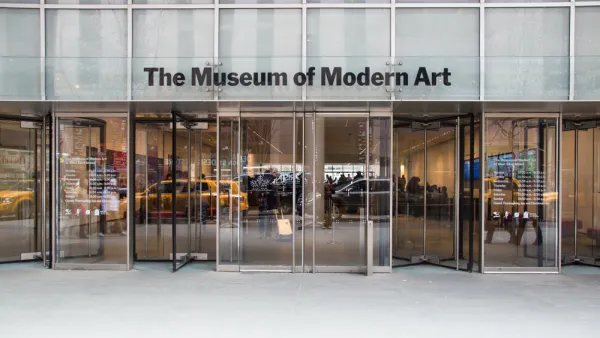
New York Museum of Modern Art Closing its Architecture and Design Galleries
The first museum to have a "sustained department of architecture and design" is closing down its architecture and design galleries.

Planetizen Federal Action Tracker
A weekly monitor of how Trump’s orders and actions are impacting planners and planning in America.

Amtrak, CN end decades-long dispute with eight-year agreement
The new operating agreement establishes an updated framework for the companies to work together, including processes to resolve disputes.

Judges permit Denver to divert 77,000 acre feet from the Colorado River for reservoir expansion
Overuse and climate change have caused the Colorado River’s water levels to plummet.

NYC DOT wants faster, more permanent street upgrades
The city is examining ways to build more concrete infrastructure without getting entangled in 'decades-long' projects.

'Something we’ve never seen before:' rising utility rates could strain city finances nationwide
Data centers, climate change and other factors have caused utility rates in the United States to increase by 38% since 2020.

Trump to overrule local leaders, lease millions of acres of America’s Pacific Island territories’ seafloors to mining companies
International law says that the Indigenous people of America’s territories have a right to prior and informed consent regarding projects that impact their countries.

FREE Course: Walkable City 1: Why Walkability?
After describing his path towards focusing on walkability as the essence of good planning, Jeff Speck marches through his five principal reasons for making more walkable places.
Reinventing Malls: Planning Alchemy—Turning Gray Fields Into Gold
The course focuses on the opportunities and imperatives that shape reinvention of mall sites.

Harvard University Graduate School of Design
KFH Group Inc.
Greater Baltimore Committee
The Architects Foundation
University of Cincinnati Online
The Pocatello Development Authority
The Urban Renewal Agency of the City of Pocatello