The Ohio Supreme Court had to intervene in the complicated issue of municipal golf courses managed by private operators. In the end, Cincinnati's municipal golf courses will keep their property tax exemptions.


"Thanks to an Ohio Supreme Court decision, Cincinnati's municipal golf courses will get more than $2.8 million in property taxes back and it now has a plan for about half of that money," reports Carrie Blackmore Smith.
The money will help fund improvements to clubhouses, cart paths, and irrigation at "many, if not all," of the city's municipal golf courses.
The financial boom for the city of Cincinnati's golf courses comes as the popularity of the sport in Cincinnati, as well as around the country, wanes. In Cincinnati, however, "the golf courses…are still self-sustaining and popular. Despite declining numbers, the city still managed to log 236,084 rounds in 2015. "They receive no tax revenue from the city and are maintained to help 'build a robust public life,'" adds Blackmore Smith in describing the city's case for public golf.
Read the full story: City golf courses to get updates

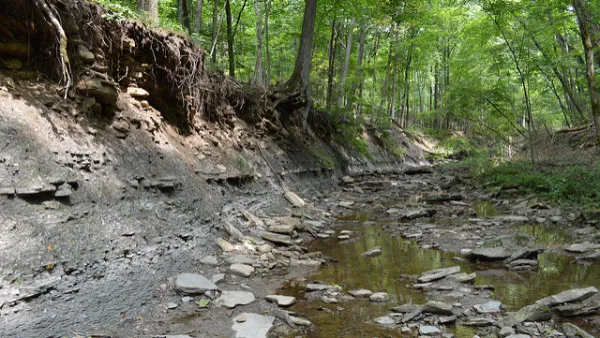
Celebrating the 'Greenspace Gems' in the Cincinnati Region
An advocacy organization in the Tri-State area (Ohio, Kentucky, Indiana) is raising awareness about the region's 116,000 acres of preserved greenspace.

Development Overtakes Open Space in Boston's Seaport District
Planners worry that the success of the waterfront district has led to its overdevelopment.

Report: Dog Parks 'Lead the Pack' in New Urban Parks
The Trust for Public Land's annual City Parks Facts report finds cities around the country are adding dog parks with the enthusiasm of a pack puppies.

Planetizen Federal Action Tracker
A weekly monitor of how Trump’s orders and actions are impacting planners and planning in America.

The state-sanctioned urbicide of Austin
People don’t kill cities. Freeways do.
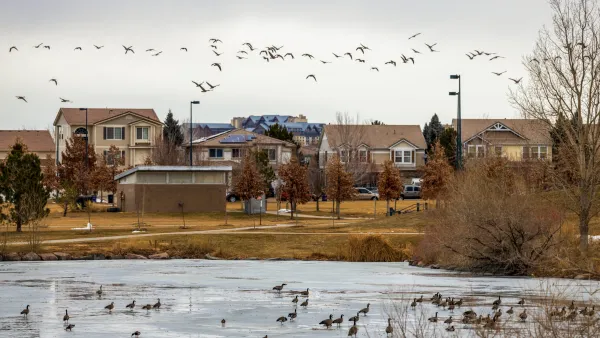
Colorado’s Largest Data Center Could Rise Next to Homes — Without a Public Hearing
The proposed campus would consume 11 times the power of Denver International Airport; as it has across the country, opposition mounts.
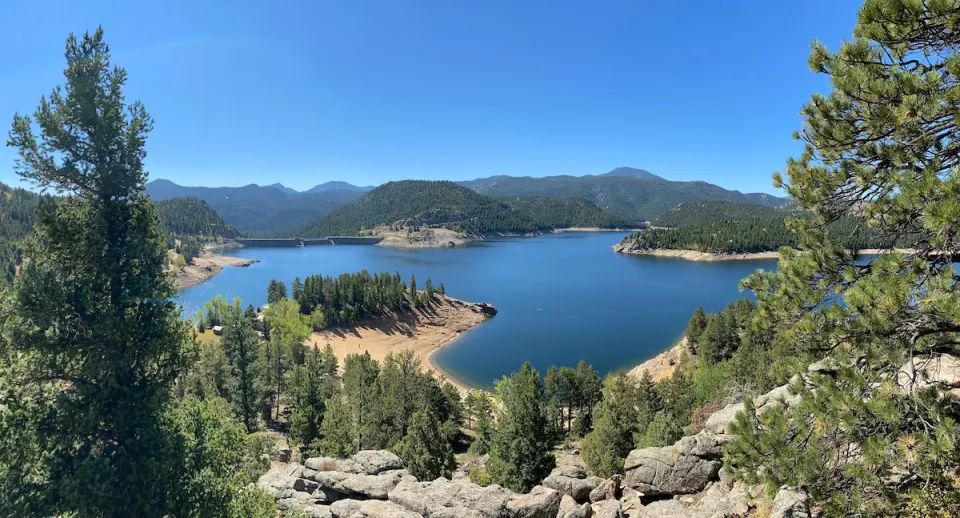
Judges permit Denver to divert 77,000 acre feet from the Colorado River for reservoir expansion
Overuse and climate change have caused the Colorado River’s water levels to plummet.

Amtrak, CN end decades-long dispute with eight-year agreement
The new operating agreement establishes an updated framework for the companies to work together, including processes to resolve disputes.

Raised interest rates may kill financially vulnerable construction projects
The chief economist at ConstructConnect warns that if construction project owners are negatively impacted by the raised rates, it could result in delayed payments to contractors.

FREE Course: Walkable City 1: Why Walkability?
After describing his path towards focusing on walkability as the essence of good planning, Jeff Speck marches through his five principal reasons for making more walkable places.
Reinventing Malls: Planning Alchemy—Turning Gray Fields Into Gold
The course focuses on the opportunities and imperatives that shape reinvention of mall sites.

Greater Baltimore Committee
Eagle County Government
Harvard University Graduate School of Design
The Architects Foundation
University of Cincinnati Online
The Pocatello Development Authority
The Urban Renewal Agency of the City of Pocatello
Journal of the American Planning Association