Gentrification is happening faster than our ability to track it via census data. What is rental data telling us now?


A study done by Governing magazine found a 20 percent gentrification rate for census tracts in the past decade in the largest 50 cities in the country, a greatly accelerated rate from the previous decade. One writer has noted that while this is an increase over past rates of gentrification, a 20 percent gentrification rate still means that 4 of 5 low-income neighborhoods are not gentrifying. While these are basic, straightforward conclusions to draw from the Governing study, there are a few huge, inter-related problems with the underlying study in being able to adequately describe our current round of gentrification.
The Governing study, and most quantitative studies of gentrification, use rising home prices as the primary indicator of gentrification. This is fairly standard practice and therefore not a problem unique to the Governing study. But the current round of gentrification is driven by the rental housing market, not the homeownership market.
FULL STORY: Gentrification Is More Widespread Than We Think

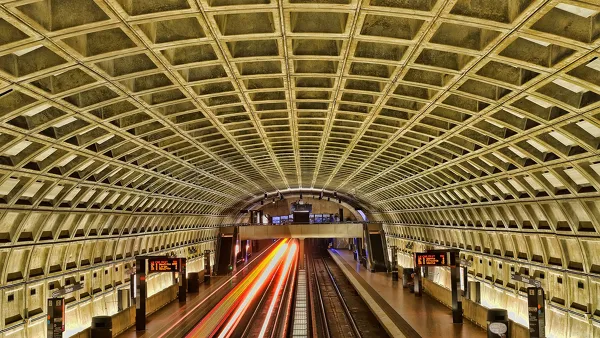
Rail Access in High Demand Among the Young, White, and Well Educated
Washington, D.C. provides a model for trends found in other cities: people living near transit are trending younger, whiter, and more educated.
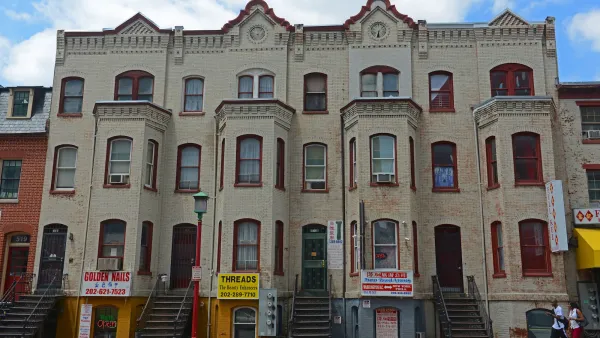
Is this the first wave of de-gentrification?
Valencia, Temescal, H Street and the fickle fortunes of the gentrified neighborhood.
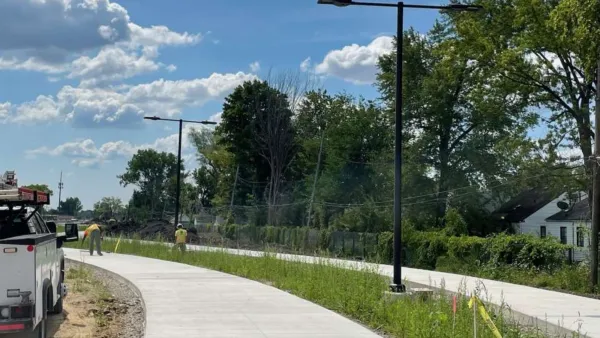
Detroit greenway brings revival — and fears of displacement
The planned Joe Louis Greenway is already bringing change to the neighborhoods near it.

The state-sanctioned urbicide of Austin
People don’t kill cities. Freeways do.

US to reduce Colorado River water deliveries to Mexico
A new Colorado Treaty amendment reduces Mexico’s Colorado River water allocation by 250,000 acre feet.

New Jersey’s second-largest city bans standalone data centers
Jersey City will continue to allow co-location facilities, such as those meant for research institutions that store their own data.

Amtrak not solely to blame for New Jersey commuter rail's unreliability, report finds
A new study from the Garden State Initiative found that NJ Transit’s budget grew 20% across a 4 year period, but reliability declined significantly over the same period.

EPA erases limits on planet-warming pollution from power plants
Under Monday’s plan, power plants would still have some limits on how much mercury, arsenic and other contaminants they can emit.

Phoenix announces new on-demand transit service, more frequent RAPID buses
Both new services will launch in October, and are part of Phoenix's Project Effective Access Solutions for Easing Congestion.

FREE Course: Walkable City 1: Why Walkability?
After describing his path towards focusing on walkability as the essence of good planning, Jeff Speck marches through his five principal reasons for making more walkable places.
Reinventing Malls: Planning Alchemy—Turning Gray Fields Into Gold
The course focuses on the opportunities and imperatives that shape reinvention of mall sites.

Eagle County Government
Harvard University Graduate School of Design
Nashville Planning Department
The Architects Foundation
University of Cincinnati Online
The Pocatello Development Authority
The Urban Renewal Agency of the City of Pocatello
Journal of the American Planning Association