New Ruralism is about rural communities finding new and sustainable approaches to create economic opportunities, provide livable-wage jobs, improve access to local foods, and offer better aging-in-place options.


The predominant definition of New Ruralism is based on the role of rural areas as suppliers of food to urbanites. But, Northern New England planners believe that rural communities provide much more than food. Rural planning projects offer valuable and replicable lessons about sustainability and growth for towns and cities of all sizes.
Success stories from New England abound, and Lynne Seeley of the Maine Association of Planners digs into examples from Maine, including:
- The Lubec Community Outreach Center, which is connecting youth with healthy local food options.
- Port Clyde Fish Catch, a pioneer in CSAs for the fishing industry that is setting an example for sustainable fisheries and coastal communities.
- Downeast Lakes Land Trust, a leader in conservation and recreation planning.
As rural communities work to meet the needs of their residents, they demonstrate leadership with creative approaches to modern challenges.
Read the full story: Have You Heard of “New Ruralism”?

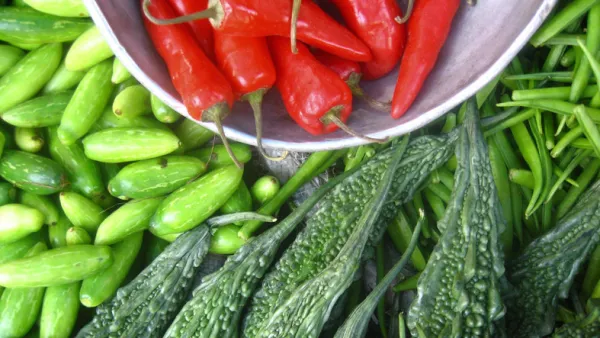
Op-Ed: Habitat III Should Consider Food Systems
The UN's Habitat III conference will be held in October of this year. Thomas Forster argues that urban areas are being considered in isolation, without enough attention to rural areas and food systems.
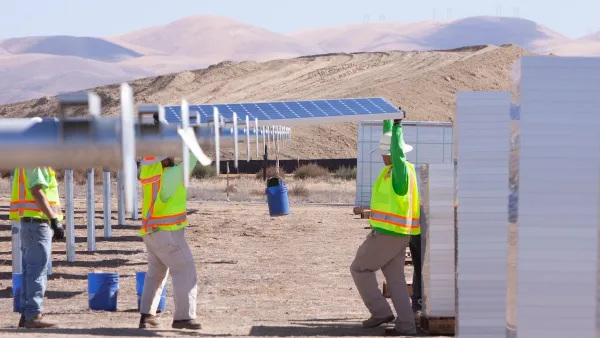
21 Climate Resilience Projects Cancelled by the EPA
The federal government has pulled funding for at least 21 projects related to farming, food systems, and environmental justice to comply with one of Trump’s early executive orders.
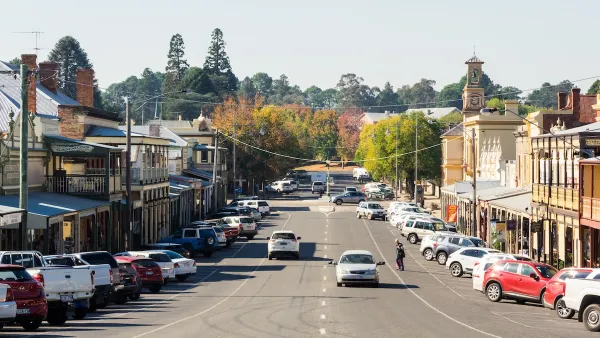
The Importance of Rural Transit
On Transit Equity Day, reminding policymakers that rural communities need access to transit too.

Planetizen Federal Action Tracker
A weekly monitor of how Trump’s orders and actions are impacting planners and planning in America.

The state-sanctioned urbicide of Austin
People don’t kill cities. Freeways do.

US to reduce Colorado River water deliveries to Mexico
A new Colorado Treaty amendment reduces Mexico’s Colorado River water allocation by 250,000 acre feet.

Nation's most wind-powered state turns to coal as data centers increase energy demand
For the first time in decades, Iowa has increased its generation of coal power.

NYC cools commuters with city's first rain garden above a bus stop
New York City officials say the plants in the rain garden can absorb 16 gallons of rainwater during heavy storms.

Brightline West’s future may rely on $6 billion federal loan
The company has until Nov. 2 to make a $400 million equity investment into its proposed high-speed rail line.

FREE Course: Walkable City 1: Why Walkability?
After describing his path towards focusing on walkability as the essence of good planning, Jeff Speck marches through his five principal reasons for making more walkable places.
Reinventing Malls: Planning Alchemy—Turning Gray Fields Into Gold
The course focuses on the opportunities and imperatives that shape reinvention of mall sites.

Greater Baltimore Committee
Eagle County Government
Harvard University Graduate School of Design
The Architects Foundation
University of Cincinnati Online
The Pocatello Development Authority
The Urban Renewal Agency of the City of Pocatello
Journal of the American Planning Association