The Prospect North Partnership intends to build a fully integrated, resource-efficient neighborhood in a prime yet underdeveloped location.


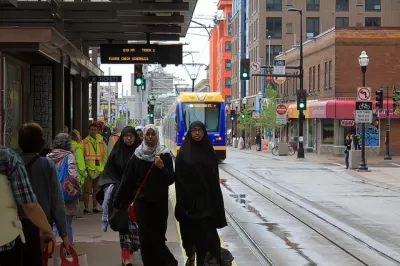
Brian Martucci calls it "the most cohesive, comprehensive and outside-the-box neighborhood development vision to be attempted anywhere in MSP in a generation." Dubbed the University Avenue Innovation District (alternately, the Prospect North Innovation District), the plan seeks to build on the advantageous features already in place in the area just southeast of the University of Minnesota: a convenient, multi-modal location with plenty of underdeveloped properties.
According to the Prospect North Partnership website, "The goal is to create a new, holistic way to develop and implement ongoing management of the centrally located but underused area at the intersection of Minneapolis and St. Paul."
With ULI MN serving as manager and advisor to the public-private partnership, the plan incrementally builds a fully integrated live-work community with district-wide management of infrastructure and resources. The plan focuses heavily on connectedness, resource efficiencies, and a set of guidelines for Healthy Living, including access to healthy food vendors, tobacco-free zones, and natural systems for cleaning stormwater.
"Over time, the vibrant culture of innovation will attract business incubators, existing employers and deep-pocketed startup investors, creating the sort of virtuous cycle that’s currently on display in the North Loop and parts of Northeast Minneapolis," Martucci writes.
FULL STORY: An urbanist's dream: New MSP innovation district would create national standard for city building


Minneapolis Activists Use DIY Traffic Circles to Identify, Slow ICE
Residents are using the pop-up roundabouts to slow traffic and make their presence known on Minneapolis streets.
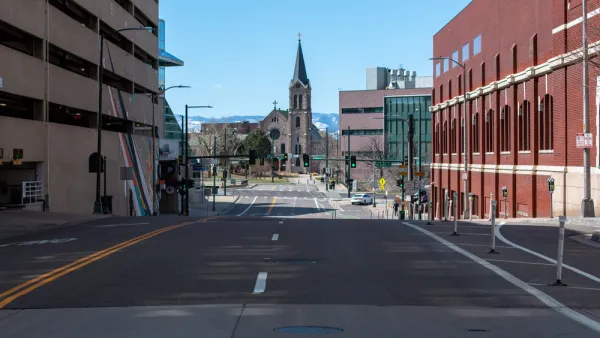
Denver, Minneapolis Lead Nation in Open Streets for COVID Response
Denver now has more than 13 miles of streets closed to car traffic. Only Minneapolis has more.
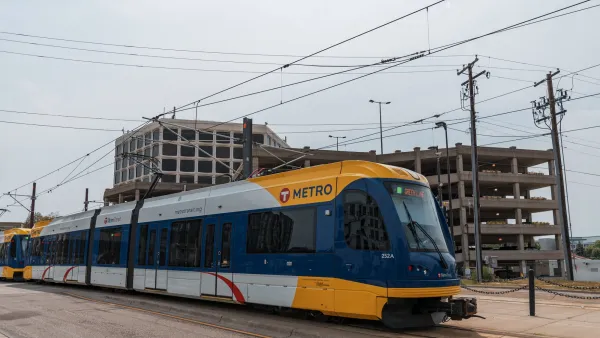
Two Years In, a Look at the Twin Cities Fare Discount Program
In 2017, Metro Transit in the Twin Cities raised fares but also started a program for low-income riders to help ease the burden of travel costs.

Planetizen Federal Action Tracker
A weekly monitor of how Trump’s orders and actions are impacting planners and planning in America.

The state-sanctioned urbicide of Austin
People don’t kill cities. Freeways do.

US to reduce Colorado River water deliveries to Mexico
A new Colorado Treaty amendment reduces Mexico’s Colorado River water allocation by 250,000 acre feet.

5 New England states march closer to 800 megawatt wind energy project
Securing federal approval for the project may be complicated under the Trump administration, which has historically been hostile towards domestic wind power.

Baltimore to break ground on $50 million Transit Priority Project
The project will bring faster bus trips, safer streets and better bike connections to Baltimore.

Airbnb launches $250 million 'last-dollar financing' housing accelerator, makes first investment in Austin
The company will put $6.4 million towards affordable housing development in Texas’ capital.

FREE Course: Walkable City 1: Why Walkability?
After describing his path towards focusing on walkability as the essence of good planning, Jeff Speck marches through his five principal reasons for making more walkable places.
Reinventing Malls: Planning Alchemy—Turning Gray Fields Into Gold
The course focuses on the opportunities and imperatives that shape reinvention of mall sites.

Eagle County Government
Harvard University Graduate School of Design
Nashville Planning Department
The Architects Foundation
University of Cincinnati Online
The Pocatello Development Authority
The Urban Renewal Agency of the City of Pocatello
Journal of the American Planning Association