A recent report finds that more people are living in poverty in suburban areas than in the more urban areas of the Twin Cities region.


"Twin Cities suburbs that are home to increasing numbers of poor residents are struggling to maintain housing, build transportation infrastructure and make sure residents have access to social services," reports John Collins.
Collins summarizes the findings of a recently released report by the Metropolitan Council, which also found that "there are now more than 385,000 people living in poverty in the metropolitan area's suburbs and rural areas compared to 259,000 in Minneapolis and St. Paul combined."
Maplewood Mayor Nora Slawik is cited in the story, noting that that city's housing stock is deteriorating, contributing to the ill effects of poverty in the community. "One way Slawik says her city is trying to keep up property values is by creating a pool of money that residents can access to maintain or repair their homes," reports Collins.
The article includes more on the implications of suburban poverty, and relates the region's challenges with similar trends around the country.
Read the full story: Twin Cities suburban poor outnumber those in urban core

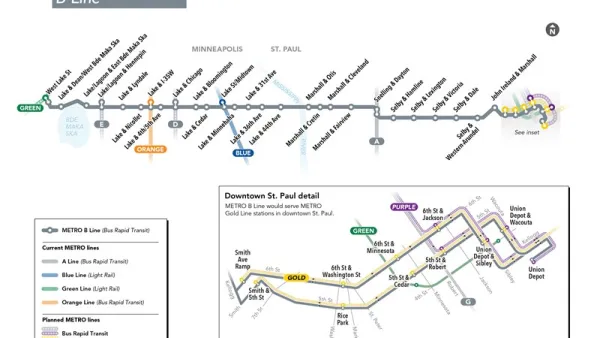
New Bus Rapid Transit Route Breaks Ground in the Twin Cities
The Twin Cities are on a mission to become the bus rapid transit capital of the United States. The latest improvement to advance that ambition broke ground earlier this week.
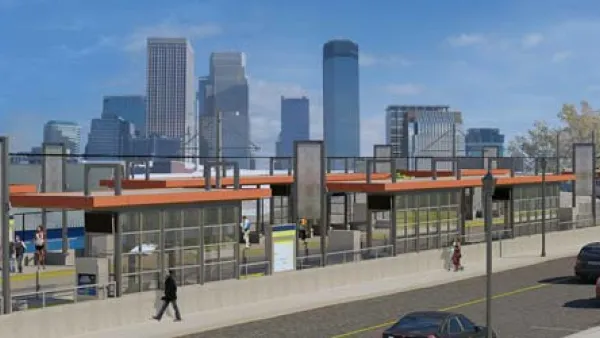
Minneapolis LRT Facing Delays, Cost Increases
Construction on the Kenilworth Tunnel has been plagued by problems and threatens the foundation of a nearby condo complex.
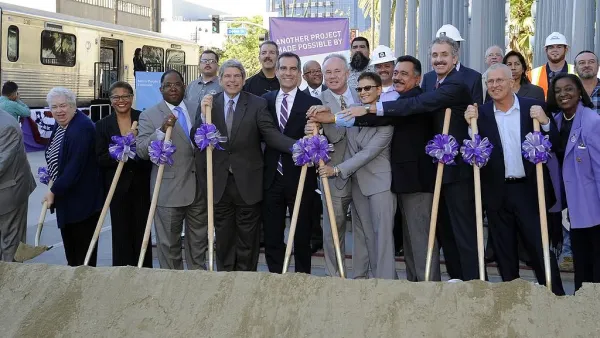
Tardy Transit Funding Arrives in Los Angeles, Twin Cities
They had to wait the better part of a year, but two major transit projects finally have the funding Congress allocated in March.

Planetizen Federal Action Tracker
A weekly monitor of how Trump’s orders and actions are impacting planners and planning in America.

‘Going backwards:’ Baltimore mayor, students rally against state's transit funding plan
Maryland's proposed six-year plan provides no funding for Baltimore’s BMORE bus program and reduces its road maintenance funding.

Detroit to transform waterfront with $2.2 billion investment
Developers will convert about 18 acres of unused parking lot space into civic spaces.

HUD, USDA agree on framework to simplify housing environmental review standards
Their agreement is a requirement of the 21st Century ROAD to Housing Act.

Cost of water rising at a faster pace than inflation, median household income
California and Maryland residents have seen their water bills grow especially high.

NYC building owners overwhelmingly comply with new emissions limits
The New York City Department of Buildings is fining owners who did not file emissions reports.

FREE Course: Walkable City 1: Why Walkability?
After describing his path towards focusing on walkability as the essence of good planning, Jeff Speck marches through his five principal reasons for making more walkable places.
Reinventing Malls: Planning Alchemy—Turning Gray Fields Into Gold
The course focuses on the opportunities and imperatives that shape reinvention of mall sites.

City of Thousand Oaks
City of Wisconsin Rapids
Harvard University Graduate School of Design
The Architects Foundation
University of Cincinnati Online
Northern Illinois Transit Authority (NITA)
The Pocatello Development Authority
The Urban Renewal Agency of the City of Pocatello