Although large investors made only 4.3 percent of single-family home purchases in 2014, they may be reducing the competitiveness of traditional buyers. With ready cash and sophisticated algorithms, investors get there first and make better bids.



Post-recession, regular buyers have reentered a home market long dominated by investors. The landscape, some observers say, has changed. "'Investors are winning over the first-time buyers in some bidding processes because investors are all cash,' says Lawrence Yun, a chief economist at the National Association of Realtors. For a seller that means a smoother deal: no waiting around on financing, loan approvals or other inconveniences that traditional buyers bring to the table."
As a result, the best deals get snapped up before regular buyers have a chance to mobilize. "Lots of investor activity is concentrated in markets where homes are still available at reasonable enough prices that purchasers can turn a profit."
Although investors do not dominate numerically, their tendency to monopolize the best markets can impact neighborhood demographics. "In some areas, investors buying up homes and turning them into rental properties means a shifting demographic for neighborhoods—from long-term residents to a flurry of short-term renters—which can be an unappealing prospect for some."
Read the full story: Damn the Developers?
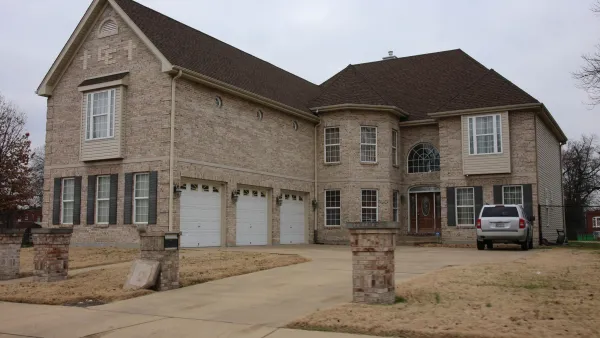
Why the McMansion Isn't Really Back
Joe Cortright criticizes reports linking high median new home sizes to a renewed demand for McMansions. The market for single-family homes, he argues, locks out buyers of modest means. Only the well-off are buying.

Million-Dollar Homes Becoming Standard Fare Across Los Angeles
As households with means seek to escape crowded apartment buildings and take advantage of historically low mortgage rates, average home prices of over $1 million are proliferating across the LA region.
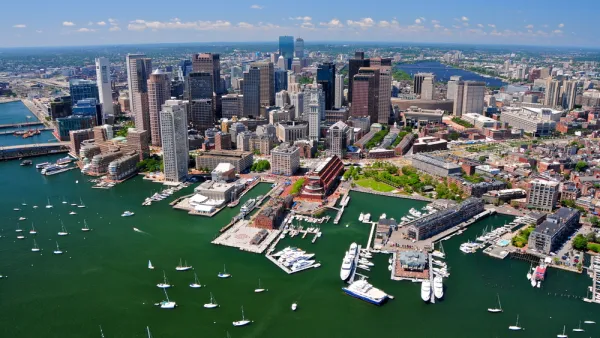
Boston to Consider Workforce and Investor Diversity in Real Estate Decisions
Beginning this week, the city of Boston will ask developers how they plan to include women and minorities as workers and investors when putting city-owned real estate out for bid.

Planetizen Federal Action Tracker
A weekly monitor of how Trump’s orders and actions are impacting planners and planning in America.

Eastern Nebraska is running out of electricity
Data centers and electrification are straining eastern Nebraska’s grid, throttling economic development.

Move over, LA: St. Louis gears up for Olympics, invests millions in downtown redevelopment
The Missouri city will host the 2028 Olympic soccer group stage and knockout matches.

Dallas releases zoning code overhaul to officials
The drafted overhaul is over 400 pages long.

NYC renovations for dangerous, ‘mercilessly crammed’ street delayed until 2027
Construction was supposed to begin this fall.

San Diego’s Midway Rising project gets greenlight from city council
The project looks to become the largest affordable housing development in California's history.

FREE Course: Walkable City 1: Why Walkability?
After describing his path towards focusing on walkability as the essence of good planning, Jeff Speck marches through his five principal reasons for making more walkable places.
Reinventing Malls: Planning Alchemy—Turning Gray Fields Into Gold
The course focuses on the opportunities and imperatives that shape reinvention of mall sites.

City of Rosemead
Rutgers University, Edward J. Bloustein School of Planning and Public Policy
One Hundred Miles
University of Michigan School for Environment and Sustainability (SEAS)
Hunter College, City University of New York (CUNY)
The Architects Foundation
City of Cambridge
The Pocatello Development Authority
The Urban Renewal Agency of the City of Pocatello