Advocates for housing and quality of life in rural communities face an uphill battle in gaining attention, much less funding, to fight the problem.


According to Gillian B. White, "cities aren't the only places that are lacking when it comes to adequate housing at affordable prices. In rural America, it's both prices and the terrible condition of existing homes that are problematic."
The article by White examines the unique characteristics of rural poverty, as manifested in housing, as well as the statistics that describe the problem and the program combating the program.
One particularly telling storyline from the article is of decreasing federal aid and the local response to the new normal. For instance, the USDA's 502 Direct Loan program ("a government-aid program for purchasing or rehabilitating homes in rural areas") has decreased spending from about $2.1 billion in 2010 to around $828 million in 2013. According to White, "[that] may be why many rural communities are taking the task of rural revitalization into their own hands with the help of rural-focused nonprofits that help provide everything from advocacy to actual loans. More work done by these groups is cropping up all over the country: In Appalachia Knox Housing Partners built an affordable senior-housing complex. And NeighborWorks of West Vermont successfully helped rehab hundreds of homes for increased energy efficiency, a cause that's particularly important for low-income, rural residents."
FULL STORY: Rural America's Silent Housing Crisis

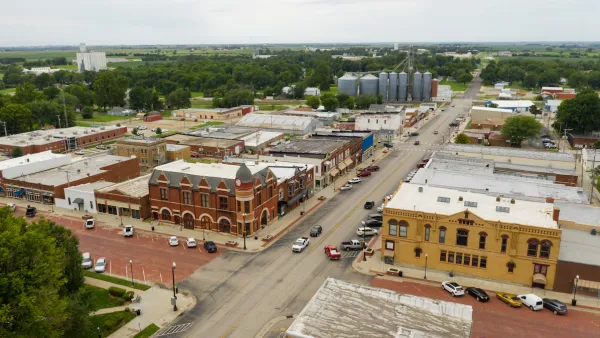
New Book Analyzes America’s Poorest Communities
The similarities between the nation’s most disadvantaged areas, often rural, reveal the economic patterns that lead to chronic poverty.
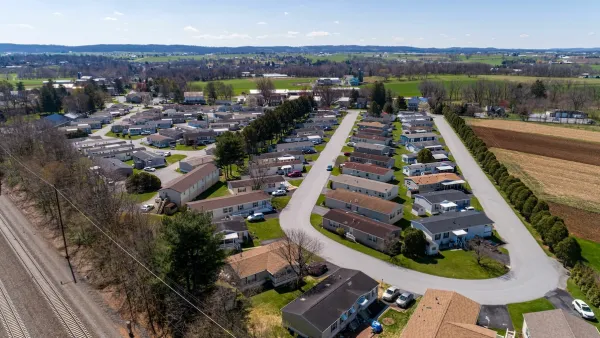
Rural Renters at Increased Risk of Eviction
Rural residents often have a harder time accessing legal assistance and eviction prevention resources.

Rural Areas Experience Higher Food Insecurity
As pandemic-era assistance programs expire, the rate of food insecurity for rural households is rising higher than in their urban counterparts.

Planetizen Federal Action Tracker
A weekly monitor of how Trump’s orders and actions are impacting planners and planning in America.

The state-sanctioned urbicide of Austin
People don’t kill cities. Freeways do.

US to reduce Colorado River water deliveries to Mexico
A new Colorado Treaty amendment reduces Mexico’s Colorado River water allocation by 250,000 acre feet.

5 New England states march closer to 800 megawatt wind energy project
Securing federal approval for the project may be complicated under the Trump administration, which has historically been hostile towards domestic wind power.

Baltimore to break ground on $50 million Transit Priority Project
The project will bring faster bus trips, safer streets and better bike connections to Baltimore.

Airbnb launches $250 million 'last-dollar financing' housing accelerator, makes first investment in Austin
The company will put $6.4 million towards affordable housing development in Texas’ capital.

FREE Course: Walkable City 1: Why Walkability?
After describing his path towards focusing on walkability as the essence of good planning, Jeff Speck marches through his five principal reasons for making more walkable places.
Reinventing Malls: Planning Alchemy—Turning Gray Fields Into Gold
The course focuses on the opportunities and imperatives that shape reinvention of mall sites.

Eagle County Government
Harvard University Graduate School of Design
Nashville Planning Department
The Architects Foundation
University of Cincinnati Online
The Pocatello Development Authority
The Urban Renewal Agency of the City of Pocatello
Journal of the American Planning Association