Chicago transit agencies are falling behind its needed capital investments. A new report estimates that the CTA, Metra, and Pace will need to spend $36 billion over the next decade to catch up.


Richard Wronski reports: "Chicago's three transit agencies have fallen $3 billion further behind previous years in investing in new equipment and maintaining existing trains, buses and infrastructure…" Those figures were released this week in a report by the Regional Transportation Authority.
"The new report… uses 84 pages of charts and data to paint a gloomy picture of the capital funding situation at the CTA, Metra and Pace," according to Wronski.
"Together, the three agencies need $36 billion over the next decade to address these needs, according to the RTA's Capital Asset Condition Assessment. That amount has grown by $3 billion since a similar analysis a year ago, the report said."
Read the full story: RTA report: Metra, Pace, CTA falling behind in funding for equipment


Chicago mayor nominates allies for new regional transit board
The Northern Illinois Transit Authority will take over transit decisions from the existing Regional Transportation Authority.
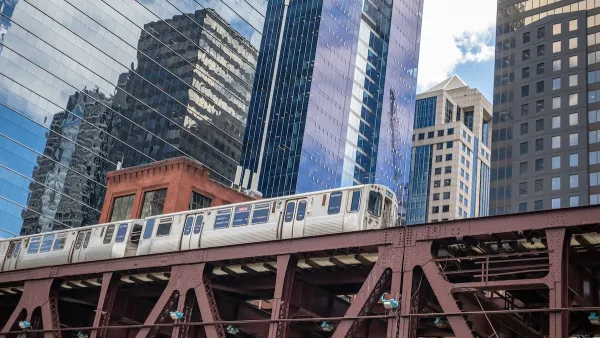
Chicago Transit Leaders Call for $1.5B Funding Package
Public transit across the Chicagoland region could suffer massive cuts without additional funding.
Chicago Transit Releases 2024 Budget
The agency projects modest ridership growth while aiming to make long-term investments in bus and rail improvements.

Planetizen Federal Action Tracker
A weekly monitor of how Trump’s orders and actions are impacting planners and planning in America.

Amtrak, CN end decades-long dispute with eight-year agreement
The new operating agreement establishes an updated framework for the companies to work together, including processes to resolve disputes.

Northwest rail fans eager for Sept. 30 debut of Amtrak’s Airo fleet
Get ready for that new train smell and more seats. But they won’t go faster or run more frequently on the Cascades route in Washington and Oregon.

Brightline Florida files for bankruptcy
The transit company is over $5 billion in debt.

St. Louis Metro to test if single-car trains can reduce operating costs, maintain rider satisfaction
The pilot program will run from October to spring 2027, and begin with one single-car train operating on Metrolink’s Red and Blue lines.

Pennsylvania is building data centers in abandoned mines
Housing data centers in mines provides an alternative to destroying local forests and may spare residents from data centers’ noise and air pollution.

FREE Course: Walkable City 1: Why Walkability?
After describing his path towards focusing on walkability as the essence of good planning, Jeff Speck marches through his five principal reasons for making more walkable places.
Reinventing Malls: Planning Alchemy—Turning Gray Fields Into Gold
The course focuses on the opportunities and imperatives that shape reinvention of mall sites.

City of Thousand Oaks
City of Wisconsin Rapids
Harvard University Graduate School of Design
The Architects Foundation
University of Cincinnati Online
The Pocatello Development Authority
The Urban Renewal Agency of the City of Pocatello