Writing for National Geographic, Brian Clark Howard examines the "[innovative] techniques that mimic nature help restore open waterways, prevent pollution, and create habitats for animals."


Clark begins the article by examining the case of Broad Branch, a stream in Washington Creek, buried over a century ago in the name of malaria abatement. As problems, like pollution dumping into the Chesapeake Bay, have emerged as a result, " many cities have been undoing the past century's drainage projects, uncovering or 'daylighting' buried streams."
The article includes a guided tour provided by Keith Underwood, an Annapolis-based landscape architect hired by Washington D.C. to restore the Rock Creek drainage (of which Board Branch is a tributary). Underwood describes his work as "regenerative design," or a process of mimicking natural systems in a blend of art and engineering.
Read the full story: In New Drainage Projects, Long-Buried Urban Streams See the Light Again


Another Ambitious Creek Daylighting Planned in the San Francisco Bay Area
The East Bay Regional Park District is planning to daylight Alder Creek in the Oakland Hills. Native fish and other species will benefit.
Road Through D.C.'s Rock Creek Park Closing to Cars
A long-discussed, and perpetually controversial, proposal to close Rock Creek Park to automobile traffic is headed toward construction. Questions about the impact of the project remain.
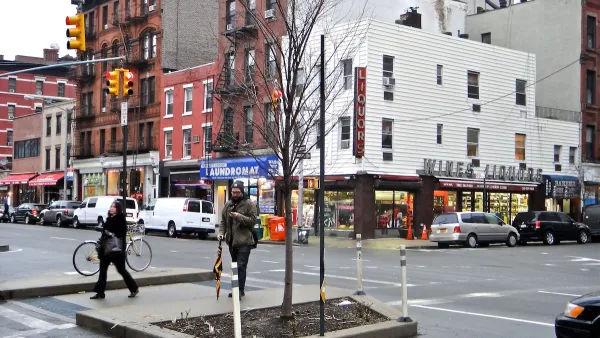
Opinion: NYC Daylighting Law Would Double as Flood Protection
How a proposed law banning parking in the 20’ of curb next to an intersection throughout NYC would improve road safety and free up space for rain gardens and other green infrastructure.

Planetizen Federal Action Tracker
A weekly monitor of how Trump’s orders and actions are impacting planners and planning in America.

‘Going backwards:’ Baltimore mayor, students rally against state's transit funding plan
Maryland's proposed six-year plan provides no funding for Baltimore’s BMORE bus program and reduces its road maintenance funding.

Detroit to transform waterfront with $2.2 billion investment
Developers will convert about 18 acres of unused parking lot space into civic spaces.

HUD modernizes 50-year-old manufactured housing framework
The Next Generation Manufactured Housing Action Plan establishes new energy-efficiency standards for manufactured homes, and new guidelines for anchoring them.

New CA housing laws tear down development red tape
Recently-signed legislation makes building starter homes and ADUs cheaper and faster in California.

Metrolink finishes first expansion in 20 years
The transit agency is now one of very few in the United States to connect two major airports.

FREE Course: Walkable City 1: Why Walkability?
After describing his path towards focusing on walkability as the essence of good planning, Jeff Speck marches through his five principal reasons for making more walkable places.
Reinventing Malls: Planning Alchemy—Turning Gray Fields Into Gold
The course focuses on the opportunities and imperatives that shape reinvention of mall sites.

One Hundred Miles
County of Mendocino
planning NEXT
The Architects Foundation
University of Cincinnati Online
Montrose County
Northern Illinois Transit Authority (NITA)
The Pocatello Development Authority