The Guardian ran a long feature examining the life and work of Jan Gehl, well known to planners as the urban "rethinker" behind the movement to design cities and places to the human scale.


Ellie Violet Bramley's article provides background on the thinking behind the 40-year career of Jan Gehl in reclaiming cities and places for people, including a discussion of the public space/public life survey he uses to drive his team's data-driven approach.
These methods and principles, developed and refined since the 1960s, are “readily available to be used to make existing cities and new developments much better”. Members of Gehl’s Copenhagen firm, established in 2000 with one of his students, Helle Søholt, recite them like mantras: conversations are infected with enthusiasm and built around words such as “liveability”, “liveliness” and “density”.
Noting that Gehl believes that these principles can be applied unversially, Bramley goes on to elicit more details about how these principles have been applied in cities around the world in recent years—addressing Helsinki and London, among other cases. There's even discussion about how to manage the effects of gentrification, and the article relies heavily on conversation with Gehl's business partner Helle Søholt.
FULL STORY: Is Jan Gehl winning his battle to make our cities liveable?

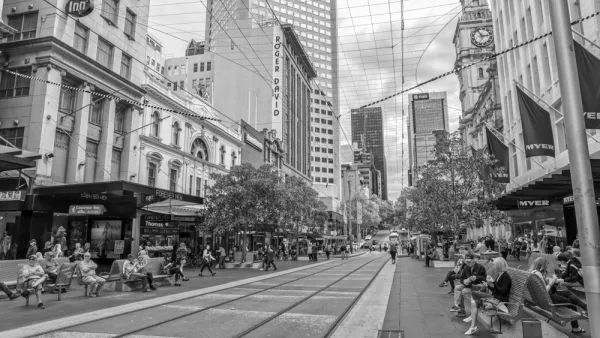
Jan Gehl on the Politics of Transforming Cities
Advancing the politics of public transportation and public spaces is not easy. Danish architect Jan Gehl and his firm Gehl Architects, however, have a track record of success with cities around the world.
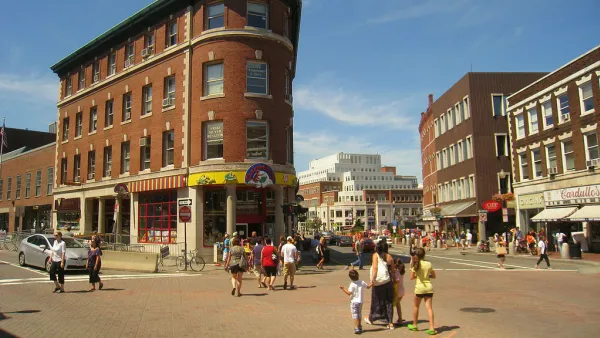
On the Importance of the Human Scale in Walkable Cities
Instead of density for density's sake (or for smart growth's sake), F. Kaid Benfield argues that the human scale is the key to walkable smart growth.
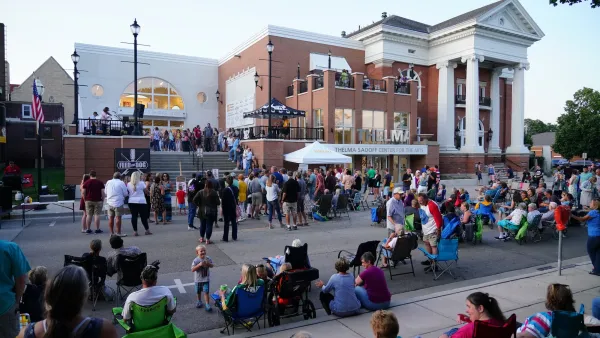
How Placemaking Lost its Way — And How it Can Get Back on Track
The term has often become diluted, getting attached to projects that don’t live up to its lofty aspirations.

Planetizen Federal Action Tracker
A weekly monitor of how Trump’s orders and actions are impacting planners and planning in America.

The state-sanctioned urbicide of Austin
People don’t kill cities. Freeways do.

US to reduce Colorado River water deliveries to Mexico
A new Colorado Treaty amendment reduces Mexico’s Colorado River water allocation by 250,000 acre feet.

Brightline West’s future may rely on $6 billion federal loan
The company has until Nov. 2 to make a $400 million equity investment into its proposed high-speed rail line.

LA Metro’s ultimatum: no extra buses for LA28 if federal funding isn’t imminently secured
If Metro does not provide additional buses, LA28 organizers will have to find a new way to manage Olympic traffic. LA28’s budget does not include a line item for transit.

Colorado’s Largest Data Center Could Rise Next to Homes — Without a Public Hearing
The proposed campus would consume 11 times the power of Denver International Airport; as it has across the country, opposition mounts.

FREE Course: Walkable City 1: Why Walkability?
After describing his path towards focusing on walkability as the essence of good planning, Jeff Speck marches through his five principal reasons for making more walkable places.
Reinventing Malls: Planning Alchemy—Turning Gray Fields Into Gold
The course focuses on the opportunities and imperatives that shape reinvention of mall sites.

Eagle County Government
Harvard University Graduate School of Design
Nashville Planning Department
The Architects Foundation
University of Cincinnati Online
The Pocatello Development Authority
The Urban Renewal Agency of the City of Pocatello
Journal of the American Planning Association