A dispatch from Williston, North Dakota, the epicenter of boom conditions compared to the Klondike Gold Rush of the late 19th century. Whether the city has benefitted or suffered from the current oil boom, is a matter of perspective.


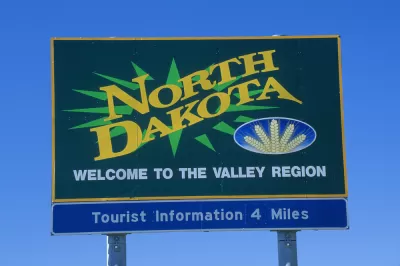
Bartley Kives tells the story of Williston, North Dakota, including these details of Williston's boomtown status:
"Today's Williston is unrecognisable to its former self. Thanks to the shale-oil boom, what was once an isolated city in the emptiest corner of the continent is now the fastest-growing small centre in North America. It has the highest average wages in the US and the worst housing shortage. It is the most expensive place in the US in which to rent new housing. And it is wracked with cultural conflict between about 12,000 long-time Williston residents and at least 21,000 newcomers who’ve arrived over the past five-odd years."
The story is a thorough long read, including data and anecdotes to describe life in Williston and the industries that are driving the boom.
Read the full story: Welcome to Williston, North Dakota: America's new gold rush city


North Dakota's Oil Boom Falters
As oil prices dip to around $30 a barrel, fears are setting in that North Dakota's oil fields have been overdeveloped. If the current boom goes bust, these towns might find themselves nearly empty.
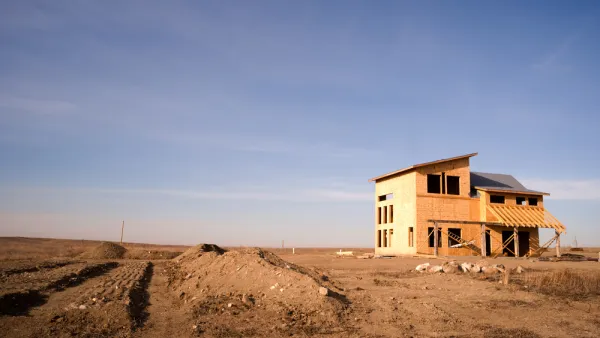
Ghost Towns Remain After Rush to Build in North Dakota Oil Boom
Bloomberg details the sudden, catastrophic decline of the real estate market in North Dakota following the oil bust of the last year. Municipalities and investors are on the hook for thousands of new and approved building units.

Oil Town Feels the Pinch
The rise of shale oil in Alberta over the past decade has made Calgary one of the most vibrant cities on the continent. But with oil slumping around $50 per barrel, the fortunes of an industry town look less rosy.

Planetizen Federal Action Tracker
A weekly monitor of how Trump’s orders and actions are impacting planners and planning in America.

‘Going backwards:’ Baltimore mayor, students rally against state's transit funding plan
Maryland's proposed six-year plan provides no funding for Baltimore’s BMORE bus program and reduces its road maintenance funding.

Detroit to transform waterfront with $2.2 billion investment
Developers will convert about 18 acres of unused parking lot space into civic spaces.

U.S.-Iran war may have ‘devastating’ impact on cost to warm homes
Vermont and Maine residents may see a 76% increase in the cost of warming their homes this winter.

Senate bill would ‘overhaul’ environmental permitting laws
Under the proposed act, government agencies would also not be able to suspend or rescind permits after granting them.

Exemption applications for NYC’s pied-à-terre tax see 55% success rate
The city sent nearly 40% of its initial pied-à-terre tax warnings erroneously.

FREE Course: Walkable City 1: Why Walkability?
After describing his path towards focusing on walkability as the essence of good planning, Jeff Speck marches through his five principal reasons for making more walkable places.
Reinventing Malls: Planning Alchemy—Turning Gray Fields Into Gold
The course focuses on the opportunities and imperatives that shape reinvention of mall sites.

One Hundred Miles
County of Mendocino
planning NEXT
The Architects Foundation
University of Cincinnati Online
Montrose County
Northern Illinois Transit Authority (NITA)
The Pocatello Development Authority