The rise of shale oil in Alberta over the past decade has made Calgary one of the most vibrant cities on the continent. But with oil slumping around $50 per barrel, the fortunes of an industry town look less rosy.


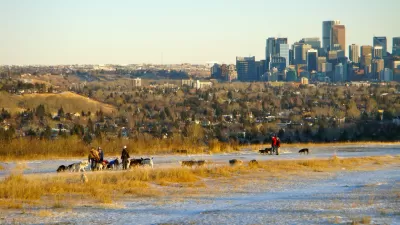
While the oil extracted from Alberta's tar sands gets distributed, by train and pipeline, to the far reaches of the continent, much of the profits end up in Calgary. Formerly most famous for its rodeo, Calgary has been the financial headquarters for the decade-long petroleum boom taking place in the Athabasca Oil Sands some 300 miles north of the city. As workers have flooded into Calgary, real estate prices have risen accordingly in the city of 1.2 million. And tastes have changed, as modest homes have given way to McMansions.
But, in an industry town, the fate of the city is tied to the fate of the industry. With the crash in oil prices, banks that serve the industry have seen their stock prices crash. Banks are considered more vulnerable than the oil companies themselves. In January, Calgary's inventory of available housing doubled from the previous January, as home sales fell 39 percent and new listings rose 37 percent. Listing prices have remained steady for the time being. Home prices rose 8.8 percent in 2014.
"The Calgary real-estate market’s health will depend on how long oil prices remain depressed and how low they go. With oil prices down more than 50% from midsummer highs last year and few signs of an imminent rebound, the Calgary housing market is expected to stay depressed for the remainder of the year."
Read the full story: Slumping Oil Prices Hit Calgary Housing

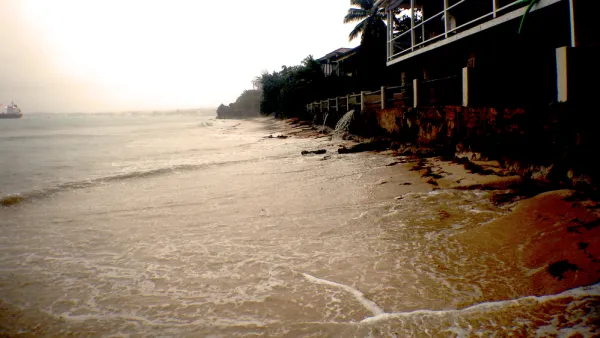
Study: Climate Change Concerns Taking a Toll on Home Values in Miami
Ordinary homeowners are beginning to factor climate change into the home-buying decisions in Miami.
Oil Shale (not Shale Oil) and Oil Sands Projects Underway in Utah
A major challenge facing oil companies in the Uinta Basin is how to transport the crude to market. Alignments have been winnowed and the mode appears to be selected - rail. Total cost: $2 billion to extract $30 billion worth of oil and gas reserves.
Albany Not so Warm to Crude-By-Rail After All
The Port of Albany is thriving as a major hub for CBR shipments from the Bakken field in North Dakota and Saskatchewan province. But we learn there are limits to further growth after the city slapped a moratorium on expansion to oil sands from Canada

Planetizen Federal Action Tracker
A weekly monitor of how Trump’s orders and actions are impacting planners and planning in America.

Amtrak, CN end decades-long dispute with eight-year agreement
The new operating agreement establishes an updated framework for the companies to work together, including processes to resolve disputes.

Judges permit Denver to divert 77,000 acre feet from the Colorado River for reservoir expansion
Overuse and climate change have caused the Colorado River’s water levels to plummet.

'Something we’ve never seen before:' rising utility rates could strain city finances nationwide
Data centers, climate change and other factors have caused utility rates in the United States to increase by 38% since 2020.

Trump to overrule local leaders, lease millions of acres of America’s Pacific Island territories’ seafloors to mining companies
International law says that the Indigenous people of America’s territories have a right to prior and informed consent regarding projects that impact their countries.

A ‘shady’ deal: Chicagoans rally against planned Amtrak maintenance facility
The $900 million facility would allow Amtrak to maintain entire trains in one building, which the company says will reduce delays.

FREE Course: Walkable City 1: Why Walkability?
After describing his path towards focusing on walkability as the essence of good planning, Jeff Speck marches through his five principal reasons for making more walkable places.
Reinventing Malls: Planning Alchemy—Turning Gray Fields Into Gold
The course focuses on the opportunities and imperatives that shape reinvention of mall sites.

KFH Group Inc.
Greater Baltimore Committee
Eagle County Government
The Architects Foundation
University of Cincinnati Online
The Pocatello Development Authority
The Urban Renewal Agency of the City of Pocatello