An out-of-towner's visit to New Orleans unravels imposed assumptions about conduct in public places.


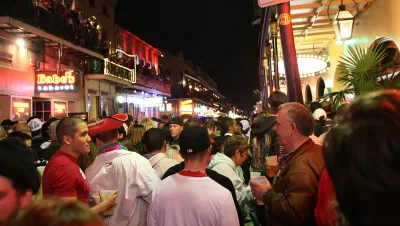
"In New Orleans, Louisiana, there is this magical thing where you can put your alcoholic drink in a plastic cup of any kind and leave the establishment you are patronizing—or even your own very house—and go outside," writes Lisa Wade.
"The bars and restaurants have them for your convenience and many residents keep a supply on hand too."
Wade's recent trip to New Orleans presented Wade with an opportunity to reflect on public drinking laws as a "great example of how we internalize rules invented by humans to the point where they feel like laws of nature."
The example of go-cups could inform other assumptions about out our behavior in public places—if not the long-standing prohibition on public consumption of alcoholic beverages, there is, for instance, the many regulations that segregate and regulate the use of streets to transportation modes.
Read the full story: Culture as a Form of Control: All Hail New Orleans’ Go-Cup

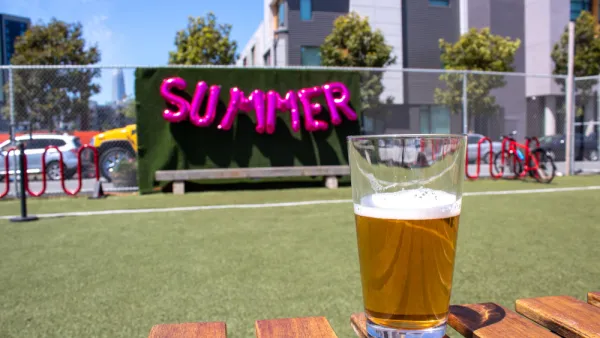
Public Drinking in America
Regulating alcohol in the public realm.
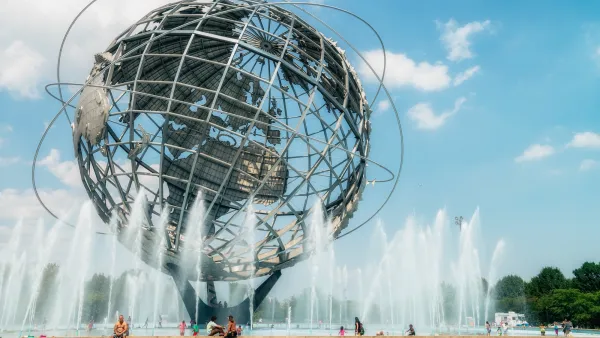
Historic Queens park is getting a $120M upgrade
The borough's largest park will undergo significant upgrades for accessibility, flood mitigation and historic preservation.
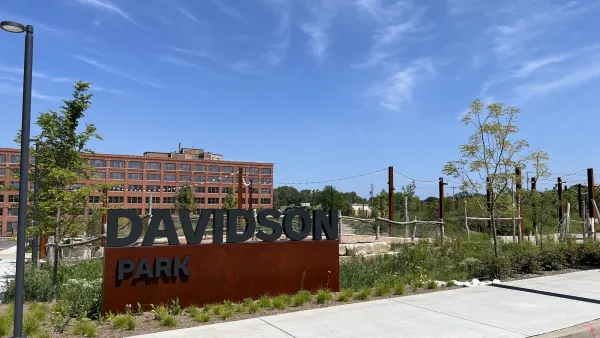
Harley-Davidson turned a Milwaukee parking lot into a green oasis
The park, adjacent to Harley-Davidson headquarters, doubles as stormwater retention infrastructure.

Planetizen Federal Action Tracker
A weekly monitor of how Trump’s orders and actions are impacting planners and planning in America.

Amtrak, CN end decades-long dispute with eight-year agreement
The new operating agreement establishes an updated framework for the companies to work together, including processes to resolve disputes.

Judges permit Denver to divert 77,000 acre feet from the Colorado River for reservoir expansion
Overuse and climate change have caused the Colorado River’s water levels to plummet.

Atlanta City Council unanimously backs $3.5 billion Beltline light rail project
The resolution was drafted after Atlanta Mayor Andre Dickens pulled support for the Atlanta Streetcar extension last year.

SEPTA to bring nearby frequent transit to over 1 million new riders as part of decade-long plan
The agency's Accelerate plan will also bring frequent transit to twice the amount of jobs that are currently located near it.

NYC plants over 18,000 trees, the most new foliage in a decade
Many of the trees were planted in communities vulnerable to extreme heat.

FREE Course: Walkable City 1: Why Walkability?
After describing his path towards focusing on walkability as the essence of good planning, Jeff Speck marches through his five principal reasons for making more walkable places.
Reinventing Malls: Planning Alchemy—Turning Gray Fields Into Gold
The course focuses on the opportunities and imperatives that shape reinvention of mall sites.

City of Thousand Oaks
City of Wisconsin Rapids
Harvard University Graduate School of Design
The Architects Foundation
University of Cincinnati Online
The Pocatello Development Authority
The Urban Renewal Agency of the City of Pocatello