Amanda Burden amassed quite a track record during her tenure as planning commissioner for New York City, like rezoning 40 percent of the city. In a recent Ted talk, however, Burden concentrated on the details that make for successful public spaces.


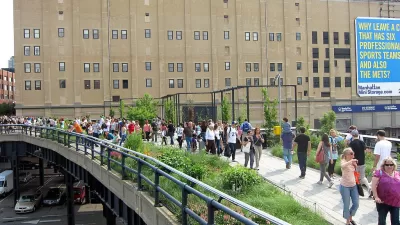
“When I think about cities, I think about people,” says former New York City Planning Commissioner Amanda Burden to open her recent TED talk in Vancouver.
The talk makes the case for public spaces as the key for planning great cities, as well as providing details about what makes great public spaces work.
Here are some of the juiciest sound bites from the talk, but there’s lots more in the 18-plus minute video.
- “Places like Paley Park don’t happen by accident…This little park provided what New Yorkers crave: comfort and greenery.”
- “You know, communities can tell whether or not you understand their neighborhoods. It's not something you can just fake.”
- “Hey, why not take out those plantings and have shops all along the High Line? Wouldn't that be terrific and won't it mean a lot more money for the city? Well no, it would not be terrific. It would be a mall, and not a park.”
- “If there is any one lesson that I have learned in my life as a city planner, it is that public spaces have power. It's not just the number of people using them, it's the even greater number of people who feel better about their city just knowing that they are there.”
Read the full story: How public spaces make cities work
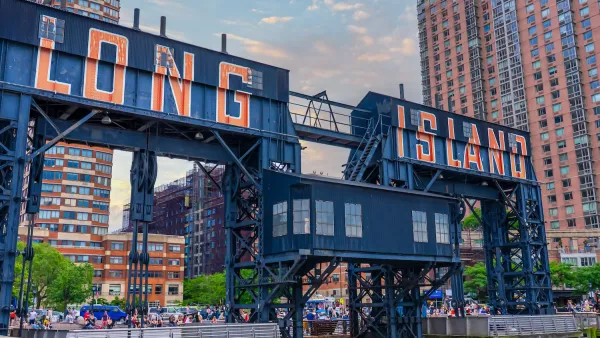
Upzoning Could Bring 15K New Homes to Queens
A rezoning plan for Long Island City opens up prime waterfront land for residential development, but some critics say new housing could be prone to flooding and should be built farther inland.

Midtown Manhattan Rezoning Proposal Could Yield Almost 10,000 Housing Units
A plan to alter zoning for parts of Midtown would permit new housing and make it easier to convert office buildings to residential units.
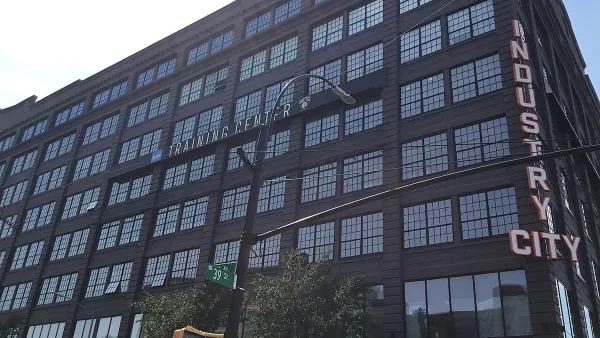
‘Emergent City’ Documentary Highlights Rare Anti-Gentrification Victory
The film charts the saga of a Brooklyn site called Industry City.

Planetizen Federal Action Tracker
A weekly monitor of how Trump’s orders and actions are impacting planners and planning in America.

California plans to bury El Niño’s downpour
If the state plays its cards right, it may be able to store a billion acre-feet of El Niño’s water in aquifers.

Desperate measures: Advocates weigh draining Lake Powell to fill Colorado River
Draining the reservoir could reduce evaporation losses by a couple hundred thousand acre-feet.

Los Angeles just elected an urban planner as its mayor
Transportation analysts are optimistic that Raman will be more aggressive in addressing transit issues than Bass.

Mamdani’s pied-à-terre tax survives legal challenge
A panel of judges found that the plaintiffs failed to demonstrate injury as a result of New York City's implementation of the tax.

Eastern Nebraska is running out of electricity
Data centers and electrification are straining eastern Nebraska’s grid, throttling economic development.

FREE Course: Walkable City 1: Why Walkability?
After describing his path towards focusing on walkability as the essence of good planning, Jeff Speck marches through his five principal reasons for making more walkable places.
Reinventing Malls: Planning Alchemy—Turning Gray Fields Into Gold
The course focuses on the opportunities and imperatives that shape reinvention of mall sites.

City of Rosemead
Rutgers University, Edward J. Bloustein School of Planning and Public Policy
One Hundred Miles
University of Michigan School for Environment and Sustainability (SEAS)
Hunter College, City University of New York (CUNY)
The Architects Foundation
City of Cambridge
Montrose County
The Pocatello Development Authority