Following a long winter, the Philadelphia Streets Department is on pace to break records for pothole repair, but that won’t be the only improvement paid for by a proposed 33 percent increase in funding to the Streets Department.


Mayor Michael A. Nutter’s recent budget proposal for the city of Philadelphia includes a 33 percent increase in funding—from $12 million to $16 million—for the Streets Department paving budget. The extra funds will allow the department to “resurface 56 miles of city streets and install 533 ADA-approved curb ramps,” according to a recent report by Christine Fisher.
In a helpful bit of insight into how Philadelphia gets the business of street repair done, pothole repair is relatively cheap, according to Fisher, because the Streets Department uses its own labor to do repairs. “Each pothole costs about $22 to fix and is paid for with capital dollars from the paving budget. If the department repairs an additional 10,000 potholes, that costs about $220,000...”
The Streets Department has already repaired more than 12,200 potholes this winter.
Read the full story: $16 million slated for city's worst streets
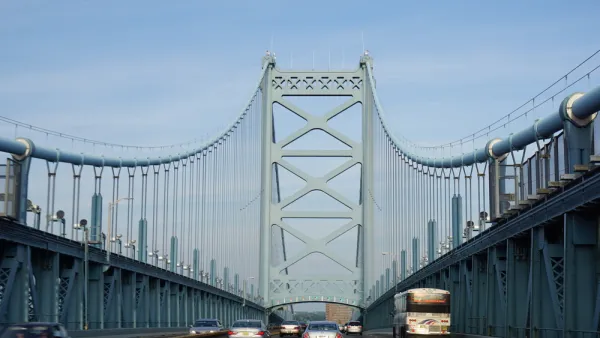
SEPTA Ready to Roll Out Major Capital Investments
Budgets reflect priorities, and the Southeastern Pennsylvania Transportation Authority will be prioritizing capital investments in the 2018 fiscal year.
Biking The TIGER
Bicycling and walking advocates should also be happy about the new TIGER grants - almost half of the funded projects included funding for bike and ped infrastructure.
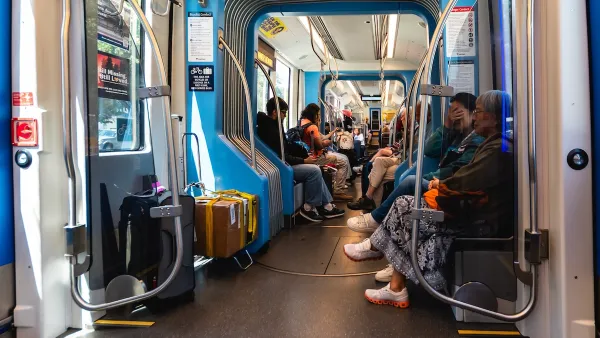
Voters choose public transit, approve $31 billion in funding
Approved projects include $101,000 for reduced-cost transit in a Michigan town and $14 billion for regional transit in the San Francisco Bay Area.

Desperate measures: Advocates weigh draining Lake Powell to fill Colorado River
Draining the reservoir could reduce evaporation losses by a couple hundred thousand acre-feet.

Eastern Nebraska is running out of electricity
Data centers and electrification are straining eastern Nebraska’s grid, throttling economic development.

Malls are becoming the midtowns of the future
Mall and office park redevelopments are a generational opportunity to create new nodes of urbanity.

NYC breaks ground on anti-flooding infrastructure project
New York City's new system will reduce stormwater flows to local sewers by 90%.

One Kentucky town’s secret to affordable housing
The Smoketown Community Land Trust has already built seven affordable homes for community members.

Houston gains petal-shaped cooling infrastructure to make streets more ‘delightful’
The city has installed the pavilions along 15 blocks in Houston.

FREE Course: Walkable City 1: Why Walkability?
After describing his path towards focusing on walkability as the essence of good planning, Jeff Speck marches through his five principal reasons for making more walkable places.
Reinventing Malls: Planning Alchemy—Turning Gray Fields Into Gold
The course focuses on the opportunities and imperatives that shape reinvention of mall sites.

City of Rosemead
Rutgers University, Edward J. Bloustein School of Planning and Public Policy
One Hundred Miles
University of Michigan School for Environment and Sustainability (SEAS)
Hunter College, City University of New York (CUNY)
The Architects Foundation
City of Cambridge
Montrose County
The Pocatello Development Authority