After receiving a $220 million capital infusion, the developers of a 27-acre waterfront redevelopment proposal in Washington D.C. will break ground on the long-awaited project on March 19.


Jonathan O’Connell updates the status of the redevelopment plans for the Southwest Waterfront in Washington D.C. The project was awarded to developer Monty Hoffman by the city in 2006. The project languished in recession purgatory since then.
The $2 billion project includes “four blocks of new buildings, 150 boat slips, three piers and 20 restaurants, bars and cafes on 27 acres of land and 50 acres of water in the Washington Channel,” writes O’Connell.
The history of the location stretches back to 1890, and the development has raised the specter of economic inequality in the city. There is obvious public interest in the project: the city is providing $198 million in funding for the project, which will create 5,000 permanent jobs and 427 subsidized housing units. But the project also includes a members-only club, and new buildings will block many existing views of the waterfront.
Read the full story: Southwest Waterfront redevelopment set to break ground, but not without concerns

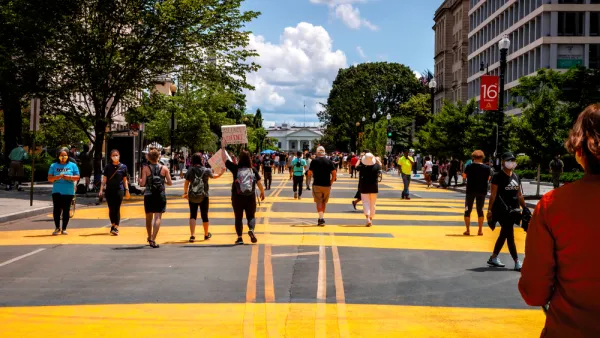
D.C. Revamps its Vision Zero Plan to Eliminate Traffic Fatalities
Washington, D.C. was an early adopter of Vision Zero in the United States, but eventually it became emblematic of the country's lack of progress in reducing traffic collisions.
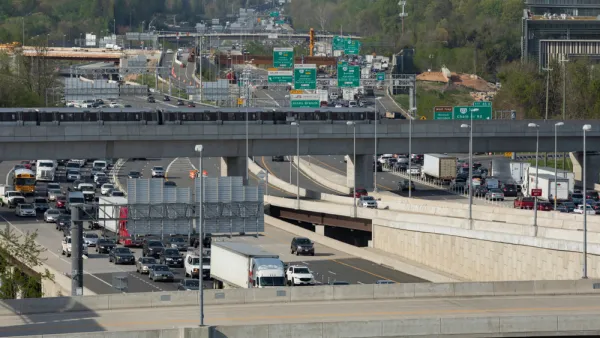
D.C. Region Sets Goal to Reduce GHG Emissions From Transportation 50% by 2030
Transportation is the largest source of greenhouse gas emissions in the D.C. region—and the rest of the country. The D.C. region is committing to drastic actions to change their ways, however.
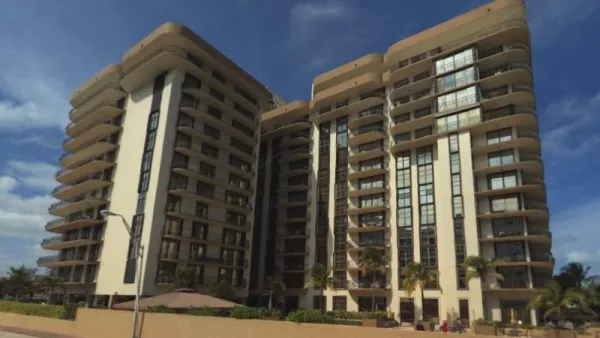
D.C. Adds New Safety Requirement in Wake of Recent Collapses
A series of incidents including the fatal collapse of a condo building in Surfside, Florida have prompted the District to implement safety enhancements to its building safety review.

Planetizen Federal Action Tracker
A weekly monitor of how Trump’s orders and actions are impacting planners and planning in America.

‘Going backwards:’ Baltimore mayor, students rally against state's transit funding plan
Maryland's proposed six-year plan provides no funding for Baltimore’s BMORE bus program and reduces its road maintenance funding.

Detroit to transform waterfront with $2.2 billion investment
Developers will convert about 18 acres of unused parking lot space into civic spaces.

U.S.-Iran war may have ‘devastating’ impact on cost to warm homes
Vermont and Maine residents may see a 76% increase in the cost of warming their homes this winter.

Senate bill would ‘overhaul’ environmental permitting laws
Under the proposed act, government agencies would also not be able to suspend or rescind permits after granting them.

Exemption applications for NYC’s pied-à-terre tax see 55% success rate
The city sent nearly 40% of its initial pied-à-terre tax warnings erroneously.

FREE Course: Walkable City 1: Why Walkability?
After describing his path towards focusing on walkability as the essence of good planning, Jeff Speck marches through his five principal reasons for making more walkable places.
Reinventing Malls: Planning Alchemy—Turning Gray Fields Into Gold
The course focuses on the opportunities and imperatives that shape reinvention of mall sites.

One Hundred Miles
County of Mendocino
planning NEXT
The Architects Foundation
University of Cincinnati Online
Montrose County
Northern Illinois Transit Authority (NITA)
The Pocatello Development Authority