With 600,000 square feet of office and retail under construction in the center of Allentown, Pennsylvania, the state’s Neighborhood Improvement Zone program, launched in 2009, has had a substantial impact.


Jon Hurdle writes of the large-scale investments taking place in Allentown, where state tax incentive program is spurring the construction of 600,000 square feet of commercial and retail space, including a hockey arena and a hotel. The Neighborhood Improvement Zone (NIZ) designation allows “revenues from tenants’ tax bills to be used to pay down some of the debt incurred during construction,” according to Hurdle’s report.
The reinvestment of the tax revenue allows tenants to charge lower rents, which makes it easier to attract businesses to the city. For instance, “National Penn Bancshares, one of the development’s anchor tenants, will be paying 20 to 25 percent below the suburban Class A market rent…”
There are few stipulations about the types of tax revenues that are immediately reinvested in the NIZ: “eligible tax revenues from companies in the zone include those from corporate net income tax, personal income tax and business privilege tax but not real estate tax, in order to protect school district funding.”
Other Pennsylvania towns have also been designated with a similar, but updated version of the Neighborhood Improvement Zone: “Bethlehem and Lancaster, have recently been designated as City Reinvestment and Improvement Zones (‘CRIZ’) under a more recent law that is similar to the NIZ but restricts the tax benefits to revenues from out-of-state companies or, in the case of companies moving from elsewhere in Pennsylvania, to additional revenues that are generated in the new location.”
Read the full story: Tax Program Aims to Reverse Decades-Long Decline in Allentown


NYC to Gain 50K New Housing Units by Year’s End
Thanks to a now-expired tax incentive, the city is seeing a record number of new homes being built.

Growth of Ohio Data Centers Prompts Concerns
A watchdog group is questioning whether the benefits of data centers outweigh their negative impacts on the local economy and power grid.
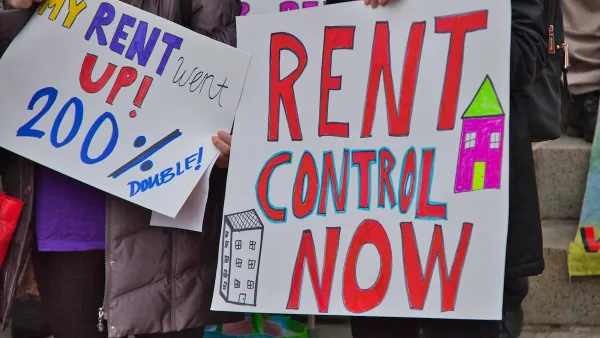
Biden Administration Proposes Federal Rent Hike Limits
A new policy would limit rent increases to 5 percent for landlords receiving federal tax write-offs.

Planetizen Federal Action Tracker
A weekly monitor of how Trump’s orders and actions are impacting planners and planning in America.

‘Going backwards:’ Baltimore mayor, students rally against state's transit funding plan
Maryland's proposed six-year plan provides no funding for Baltimore’s BMORE bus program and reduces its road maintenance funding.

Detroit to transform waterfront with $2.2 billion investment
Developers will convert about 18 acres of unused parking lot space into civic spaces.

U.S.-Iran war may have ‘devastating’ impact on cost to warm homes
Vermont and Maine residents may see a 76% increase in the cost of warming their homes this winter.

Senate bill would ‘overhaul’ environmental permitting laws
Under the proposed act, government agencies would also not be able to suspend or rescind permits after granting them.

Exemption applications for NYC’s pied-à-terre tax see 55% success rate
The city sent nearly 40% of its initial pied-à-terre tax warnings erroneously.

FREE Course: Walkable City 1: Why Walkability?
After describing his path towards focusing on walkability as the essence of good planning, Jeff Speck marches through his five principal reasons for making more walkable places.
Reinventing Malls: Planning Alchemy—Turning Gray Fields Into Gold
The course focuses on the opportunities and imperatives that shape reinvention of mall sites.

One Hundred Miles
County of Mendocino
planning NEXT
The Architects Foundation
University of Cincinnati Online
Montrose County
Northern Illinois Transit Authority (NITA)
The Pocatello Development Authority