A new report called “Sustaining Prosperity: A Long Term Vision for the New Orleans Region,” authored by Joel Kotkin, celebrates the rebirth of New Orleans and sets a five point plan for ensuring New Orleans’ long-term prosperity.


“The recovery of greater New Orleans represents one of the great urban achievements of our era,” writes Joel Kotkin in the executive summary for the new report, written for Greater New Orleans, Inc.
Among the reasons for New Orleans’ rebirth after Katrina, Kotkin cites the ”transformation of the civic culture” and demographic trends: “[The] region finally began to reverse a demographic decline that, for a generation or more, saw young, educated people and families depart for other locales to seek out a better life. The concentration of 25 to 35 year olds has increased far more quickly in the region than it has in the nation as a whole. Indeed since 2007, New Orleans region has experienced the fastest growth in educated population in the nation.”
To ensure a future where “New Orleans emerges as one of the brightest spots in the North American economy,” says Kotkin, the city and region should focus on five areas, including the river system and the construction of infrastructure.
FULL STORY: Sustaining prosperity: A Long Term Vision for the New Orleans Region

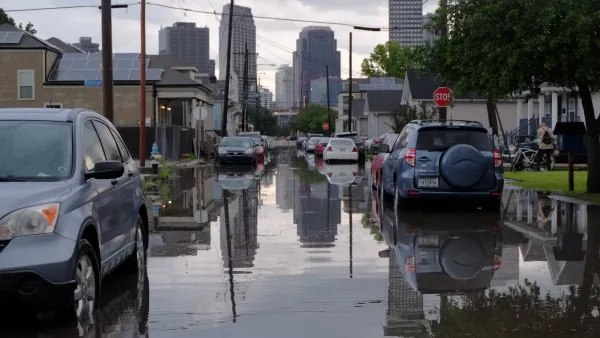
Study: New Orleans sea level rise is at 'point of no return'
Research shows that the city could be surrounded by water by the end of this century.

Amtrak’s Mardi Gras train ‘blows away’ ridership expectations
The line brought back rail service between New Orleans and Mobile, Alabama for the first time since Hurricane Katrina.
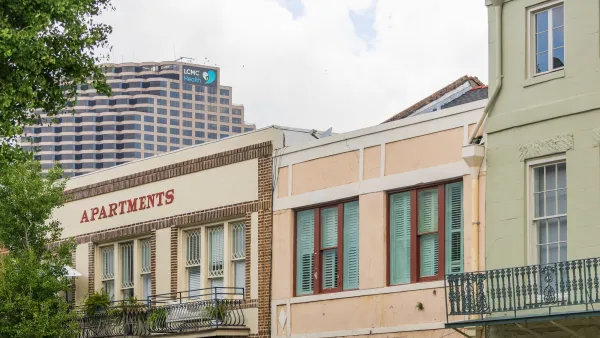
Is New Orleans’ Healthy Homes Ordinance a Hollow Promise?
The Healthy Homes Ordinance is supposed to help fix New Orleans’s deteriorating rental housing stock. But three years in, many “certified habitable” apartments still have leaking roofs, black mold, and dangerous heat. What went wrong?

Planetizen Federal Action Tracker
A weekly monitor of how Trump’s orders and actions are impacting planners and planning in America.

The state-sanctioned urbicide of Austin
People don’t kill cities. Freeways do.

US to reduce Colorado River water deliveries to Mexico
A new Colorado Treaty amendment reduces Mexico’s Colorado River water allocation by 250,000 acre feet.

5 New England states march closer to 800 megawatt wind energy project
Securing federal approval for the project may be complicated under the Trump administration, which has historically been hostile towards domestic wind power.

Baltimore to break ground on $50 million Transit Priority Project
The project will bring faster bus trips, safer streets and better bike connections to Baltimore.

Airbnb launches $250 million 'last-dollar financing' housing accelerator, makes first investment in Austin
The company will put $6.4 million towards affordable housing development in Texas’ capital.

FREE Course: Walkable City 1: Why Walkability?
After describing his path towards focusing on walkability as the essence of good planning, Jeff Speck marches through his five principal reasons for making more walkable places.
Reinventing Malls: Planning Alchemy—Turning Gray Fields Into Gold
The course focuses on the opportunities and imperatives that shape reinvention of mall sites.

Eagle County Government
Harvard University Graduate School of Design
Nashville Planning Department
The Architects Foundation
University of Cincinnati Online
The Pocatello Development Authority
The Urban Renewal Agency of the City of Pocatello
Journal of the American Planning Association