The Healthy Homes Ordinance is supposed to help fix New Orleans’s deteriorating rental housing stock. But three years in, many “certified habitable” apartments still have leaking roofs, black mold, and dangerous heat. What went wrong?


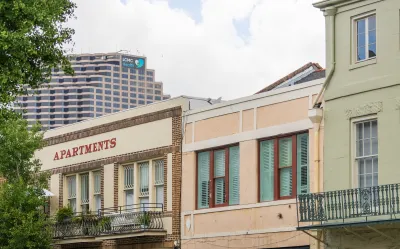
An article in Shelterforce investigates the failures of New Orleans’ “Healthy Homes” ordinance — designed to protect renters by certifying rental habitability — three years after its passage. In many cases, apartments remain unlivable: leaking roofs, black mold, broken A/C, rotten staircases, and hazardous conditions persist despite self-certified compliance.
These issues stem from weak enforcement, underfunding, lack of third-party inspections, and a reliance on tenants — often low-income renters with little power — to report issues. Corporate landlords and out-of-state investors, frequently operating through shell LLCs, complicate accountability. For tenants, reporting problems risks retaliation or displacement; for many, there is nowhere else to go.
With climate change bringing more heat, storms, and flooding — and with post-Katrina housing stock already stressed — the consequences of neglect threaten to worsen. The piece shows how the ordinance is acting more like a paper promise than a real safety net.
FULL STORY: Healthy Homes or Hollow Promises in New Orleans?

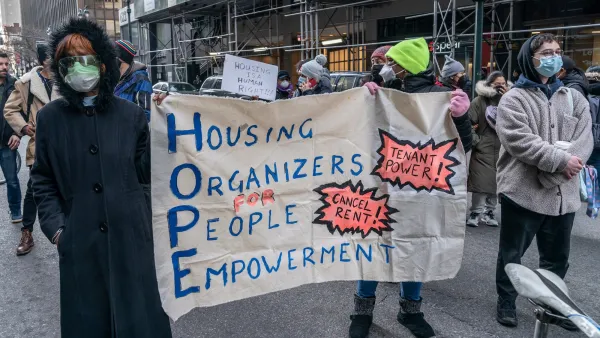
NYC 'Rental Ripoff' report calls for crackdown on negligent landlords
The report outlines strategies for empowering renters and transferring properties from 'low-road' landlords to those who focus on improved tenant outcomes.
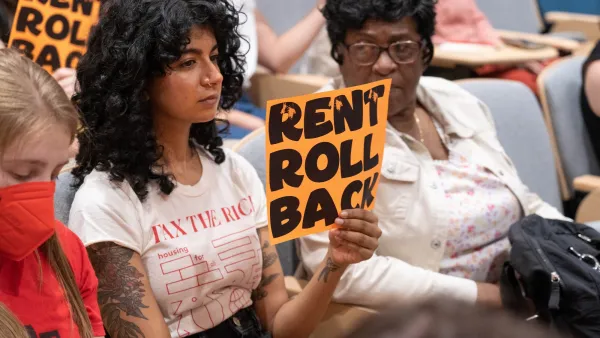
What Happened to ‘Renter’s Choice’ Legislation?
Years ago, officials in dozens of cities and states showed interest in passing legislation that required landlords to accept alternatives to the traditional lump-sum security deposit. Today, much of that momentum has diminished.
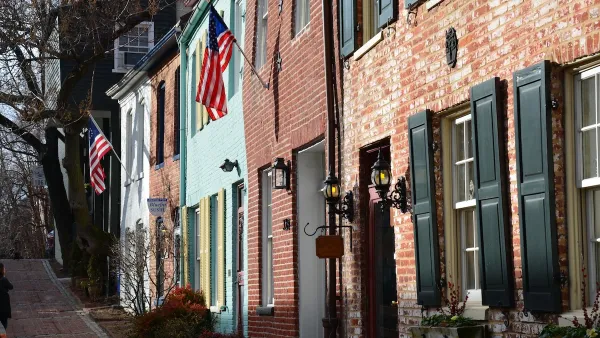
Report: Proposed DC RENTAL Law Would Harm Black and Low-Income Residents
The proposal would speed up evictions, eliminate some protections for tenants, and exempt buildings from a law that requires tenants have first right of purchase.

Planetizen Federal Action Tracker
A weekly monitor of how Trump’s orders and actions are impacting planners and planning in America.

The state-sanctioned urbicide of Austin
People don’t kill cities. Freeways do.

US to reduce Colorado River water deliveries to Mexico
A new Colorado Treaty amendment reduces Mexico’s Colorado River water allocation by 250,000 acre feet.

5 New England states march closer to 800 megawatt wind energy project
Securing federal approval for the project may be complicated under the Trump administration, which has historically been hostile towards domestic wind power.

Baltimore to break ground on $50 million Transit Priority Project
The project will bring faster bus trips, safer streets and better bike connections to Baltimore.

Airbnb launches $250 million 'last-dollar financing' housing accelerator, makes first investment in Austin
The company will put $6.4 million towards affordable housing development in Texas’ capital.

FREE Course: Walkable City 1: Why Walkability?
After describing his path towards focusing on walkability as the essence of good planning, Jeff Speck marches through his five principal reasons for making more walkable places.
Reinventing Malls: Planning Alchemy—Turning Gray Fields Into Gold
The course focuses on the opportunities and imperatives that shape reinvention of mall sites.

Eagle County Government
Harvard University Graduate School of Design
Nashville Planning Department
The Architects Foundation
University of Cincinnati Online
The Pocatello Development Authority
The Urban Renewal Agency of the City of Pocatello
Journal of the American Planning Association